We sent the guide to . Check spam if you don’t see it in a few minutes.
You have the Bath and Stonehenge guide
It is in your email: “Your free day guide from See Beyond the City”.
Bath and Stonehenge day trips from London
Stand at Stonehenge, then spend the afternoon in Georgian Bath.
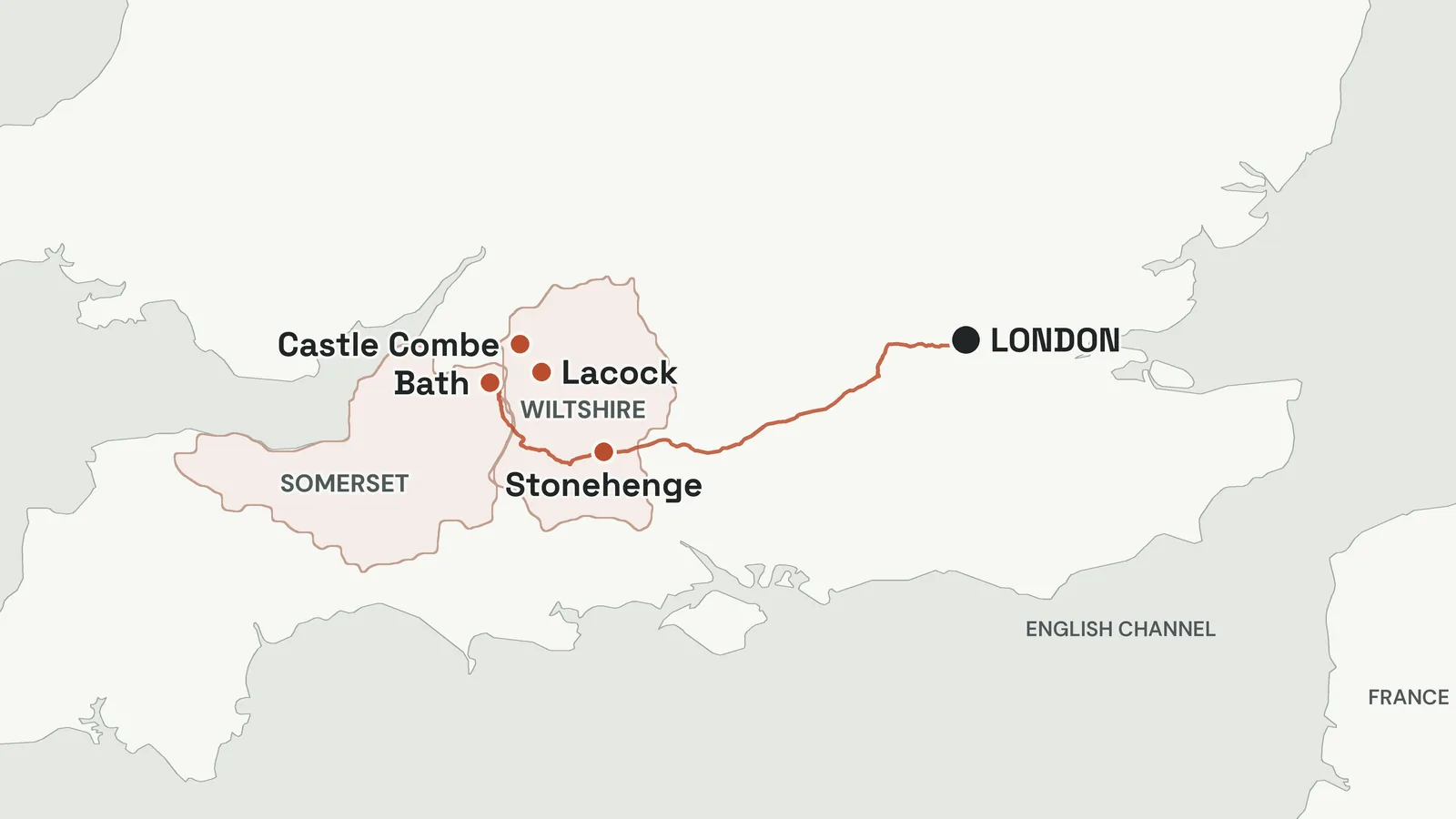
Most days out here pair two very different places. One is a prehistoric stone circle on open chalk downland (grassy hills) in south-west England. The other is a honey-coloured Georgian (1700s) spa city built over Roman hot springs. Stay in London, then choose the part you care about most.
Each place gives a different kind of time. Start with the one you care about most, then see what each place offers.
For ancient stones on an open plain
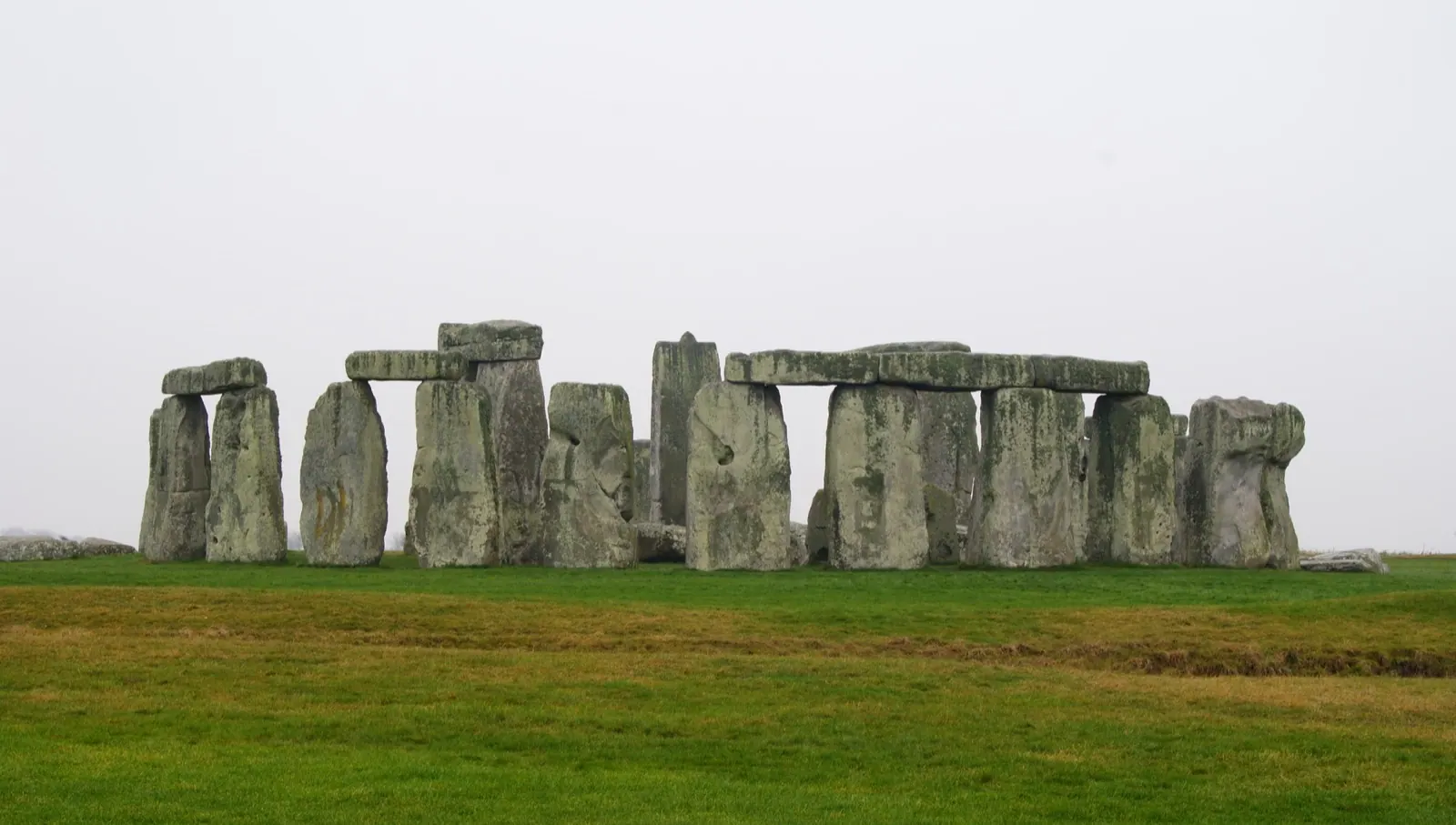
Stonehenge
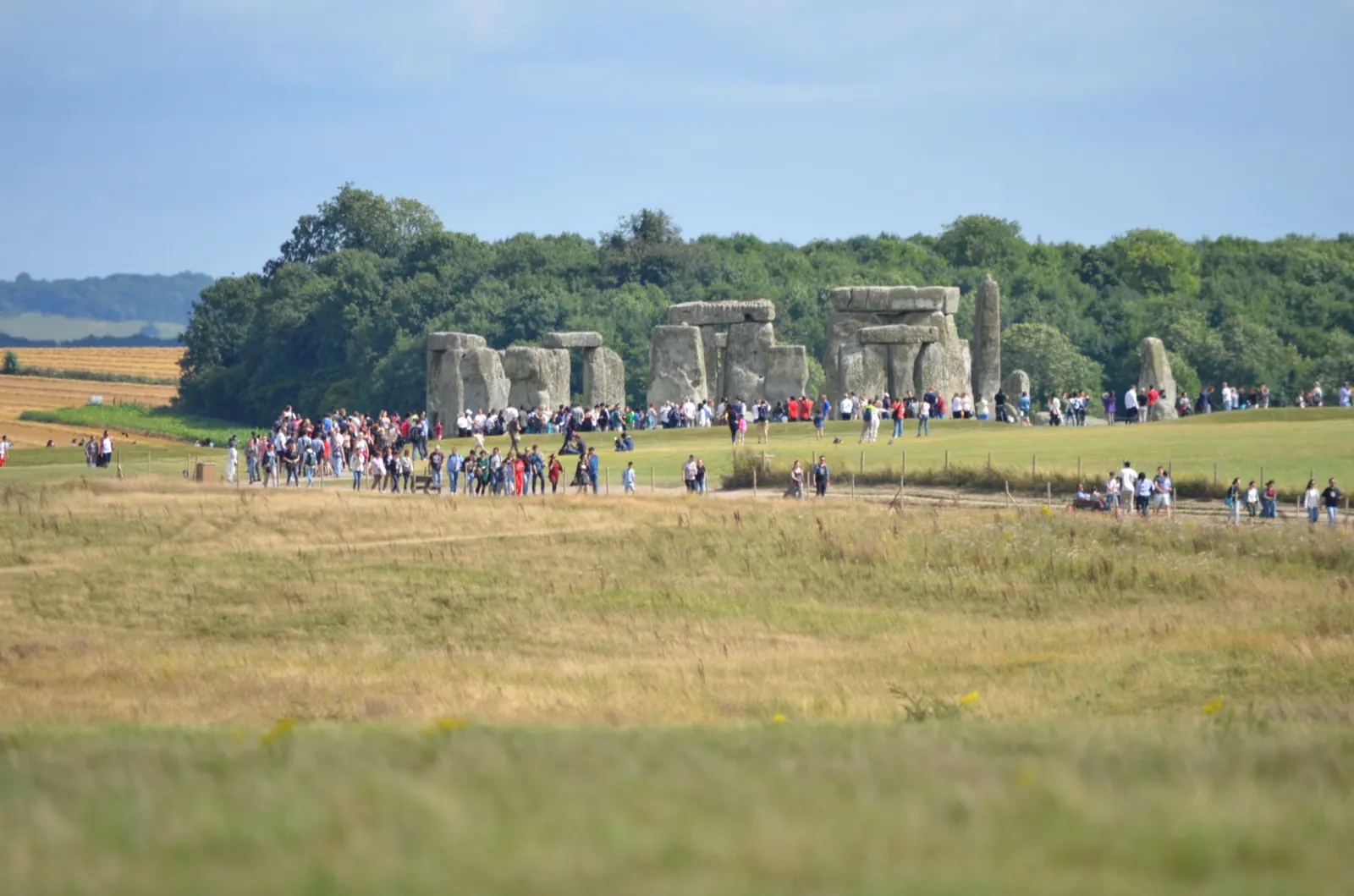
Leave the city streets for wide grassland and a ring of giant stones. A visit starts at the visitor centre, with its exhibition and rebuilt Neolithic (Stone Age) houses. A shuttle bus then takes you out to the stones. It is an outdoor stop with big skies and little shelter, so it feels very different from a day in Bath.
Choose this to see a world-famous prehistoric monument in its own landscape.
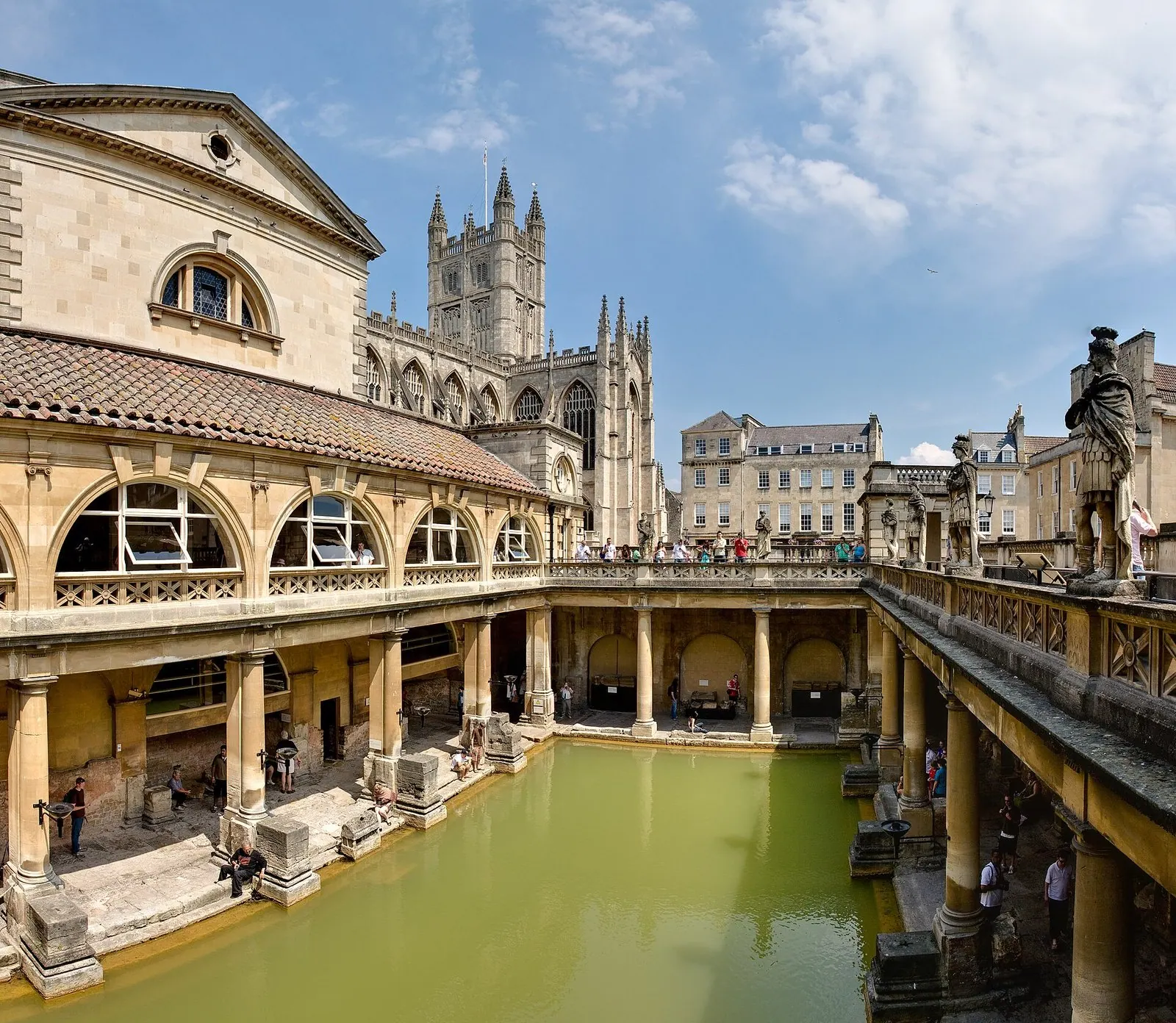
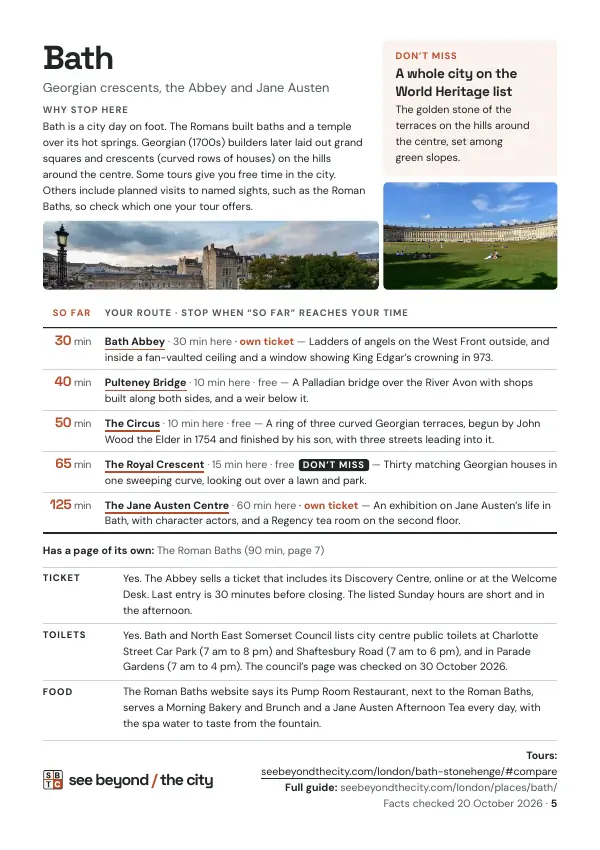
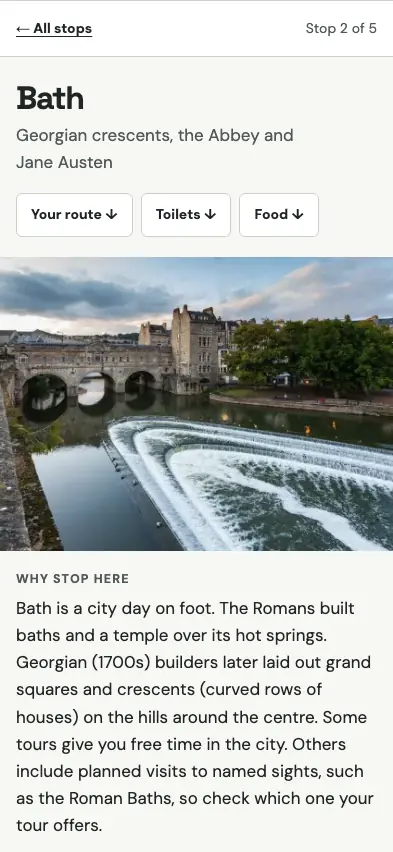
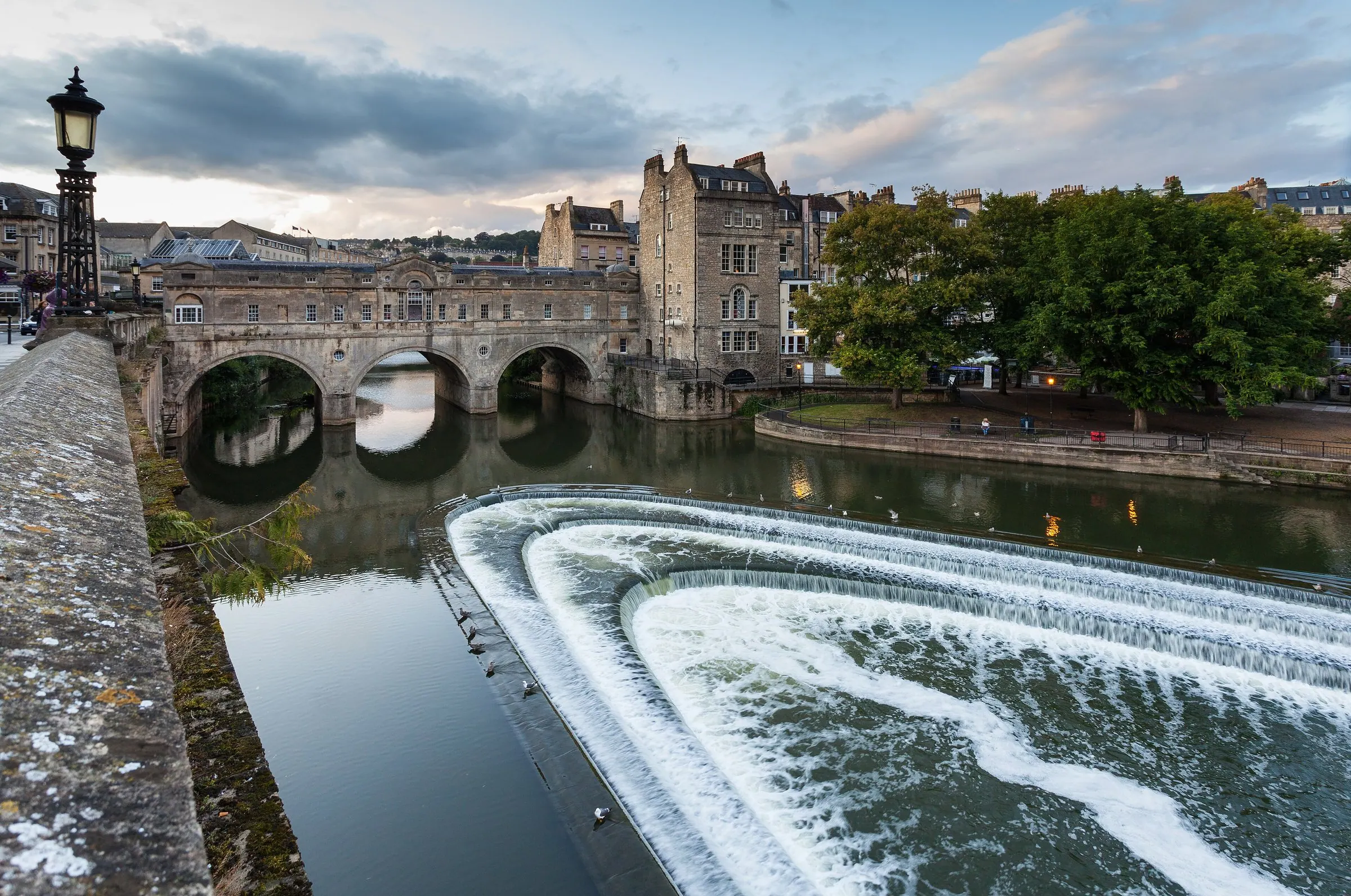
Bath is a city day on foot. The Romans built baths and a temple over its hot springs. Georgian (1700s) builders later laid out grand squares and crescents (curved rows of houses) on the hills around the centre. The Roman Baths and the Abbey stand side by side in the middle.
Choose this for Roman history and elegant Georgian streets in one compact city.
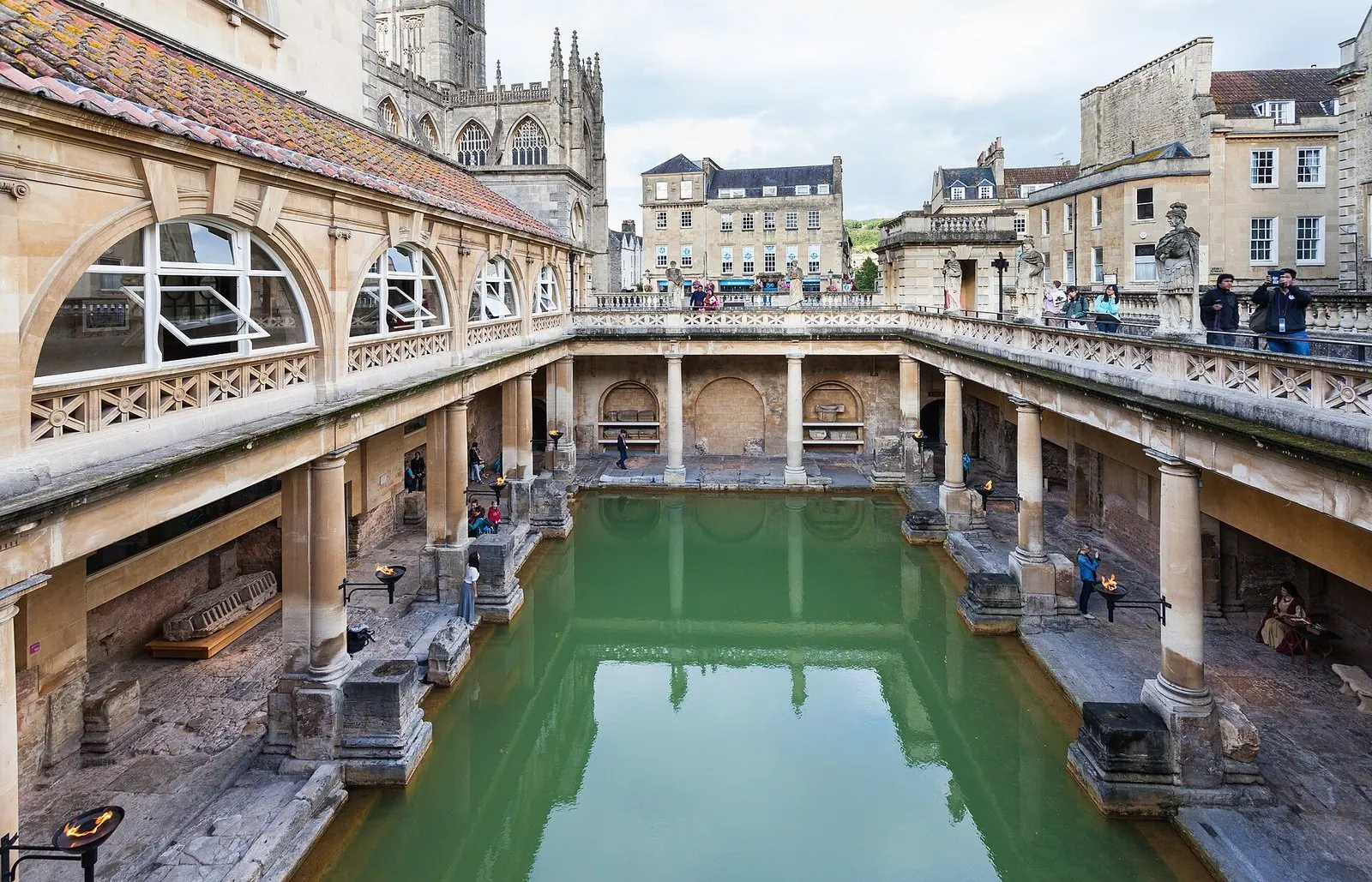
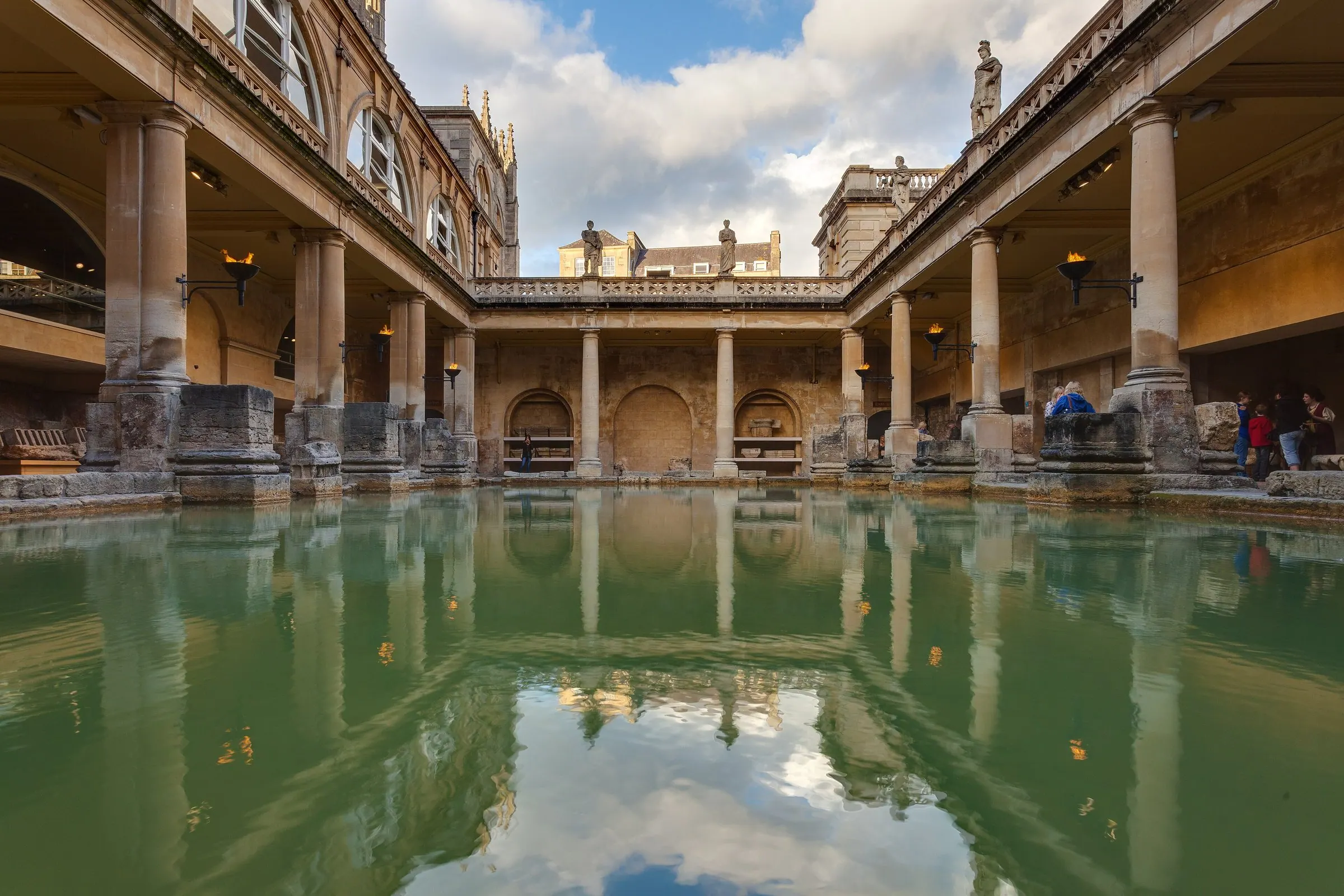
Step below the street to the heart of Roman Bath. Walk above the steaming Great Bath and see the spring where hot water still rises. Find a temple, carved stone and objects thrown to a goddess. It is a ticketed museum visit with its own time slot.
Choose this to go inside the Roman site itself, not only to see Bath.
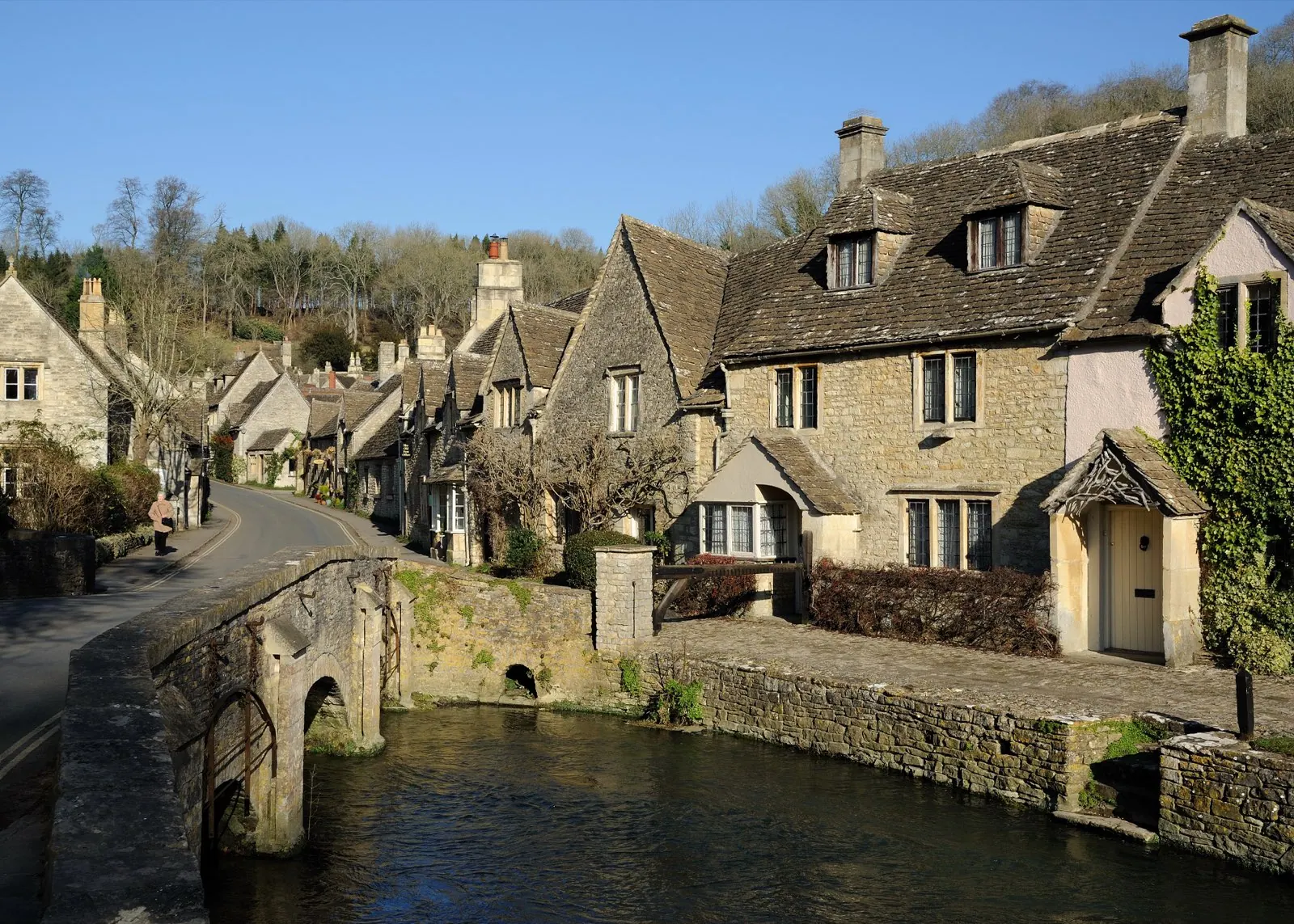
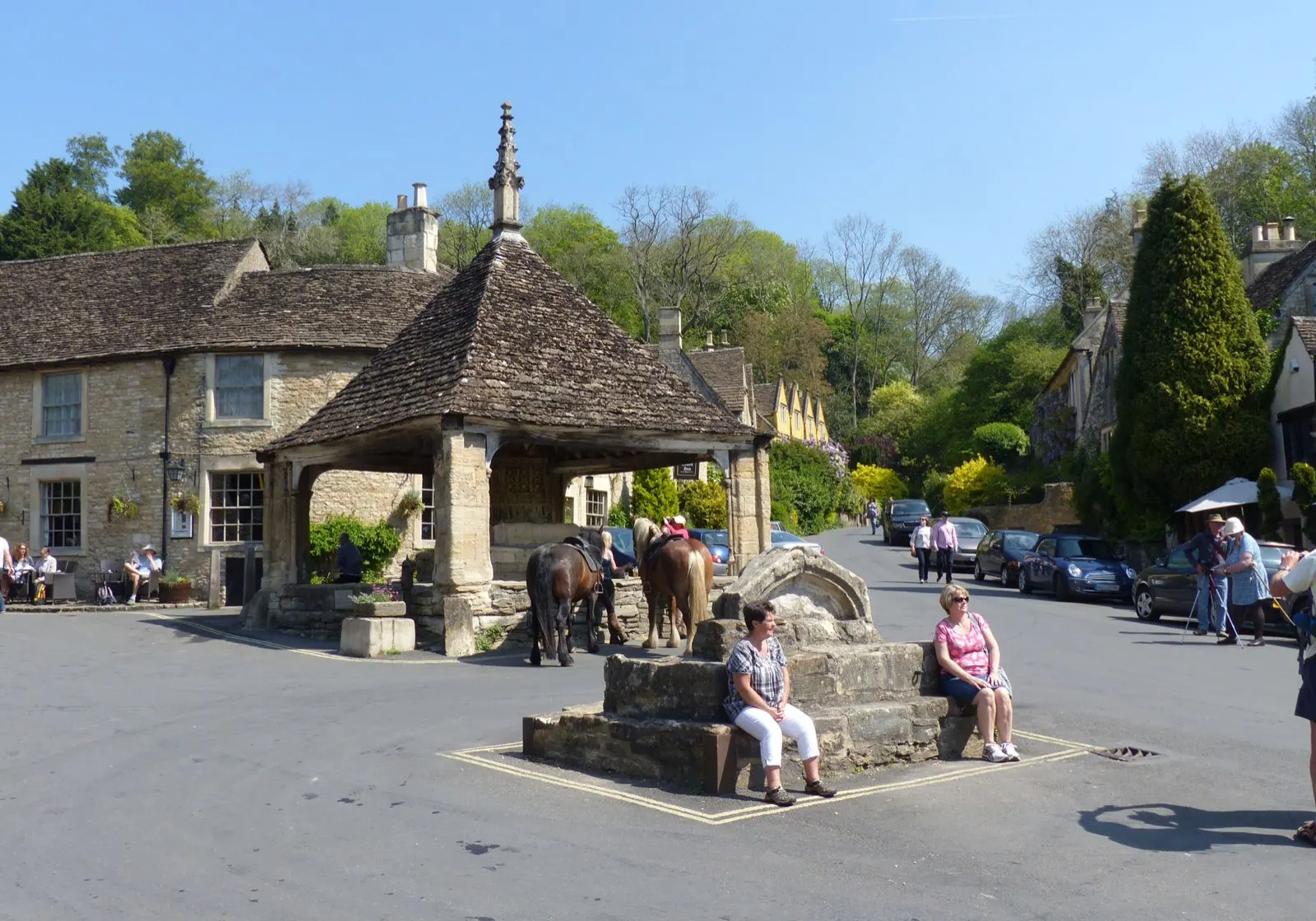
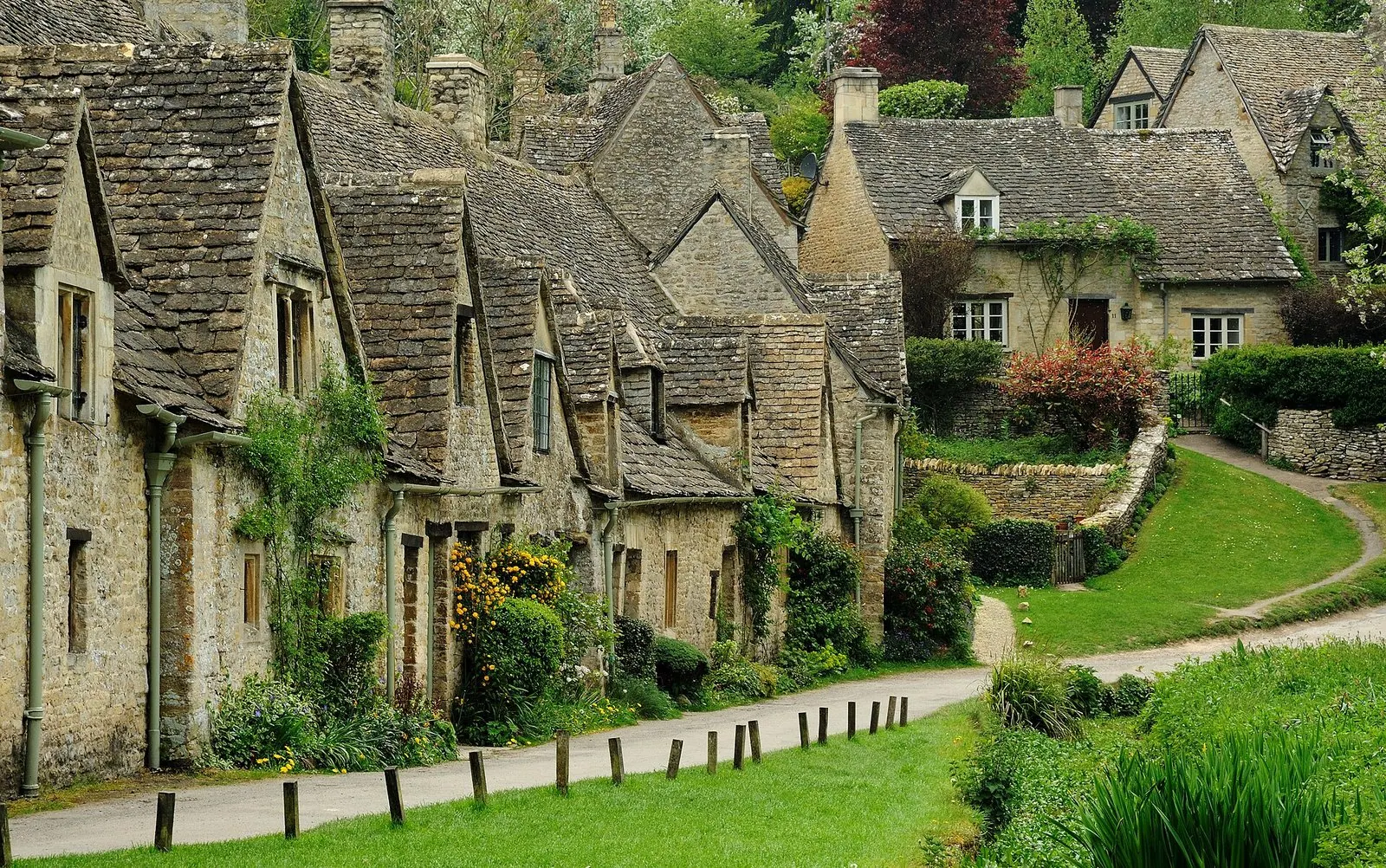
Castle Combe is a quiet village for a short, slow walk. Old stone cottages line one small street that runs from a medieval market cross down to a bridge over the By Brook. It is a place for looking and taking photographs, not a day of shops or sights.
Choose this for a short, peaceful walk through a famously pretty village.
Four old streets of timber-framed cottages, a medieval tithe barn (a large old barn) and a ford, all cared for by the National Trust. Beside them stands the abbey where Fox Talbot made the first photographic negative in 1835. The village streets are free to walk.
Choose this for a larger village, film locations and photography history.
Each stop gets a page of its own in the guide, with what to see in 30, 60 or 90 minutes, and where to find toilets and food.
Check your email
We sent the guide to . Check spam if you don’t see it in a few minutes.
You have the Bath and Stonehenge guide
It is in your email: “Your free day guide from See Beyond the City”.
Bath and Stonehenge in four moments
A little history before you go.
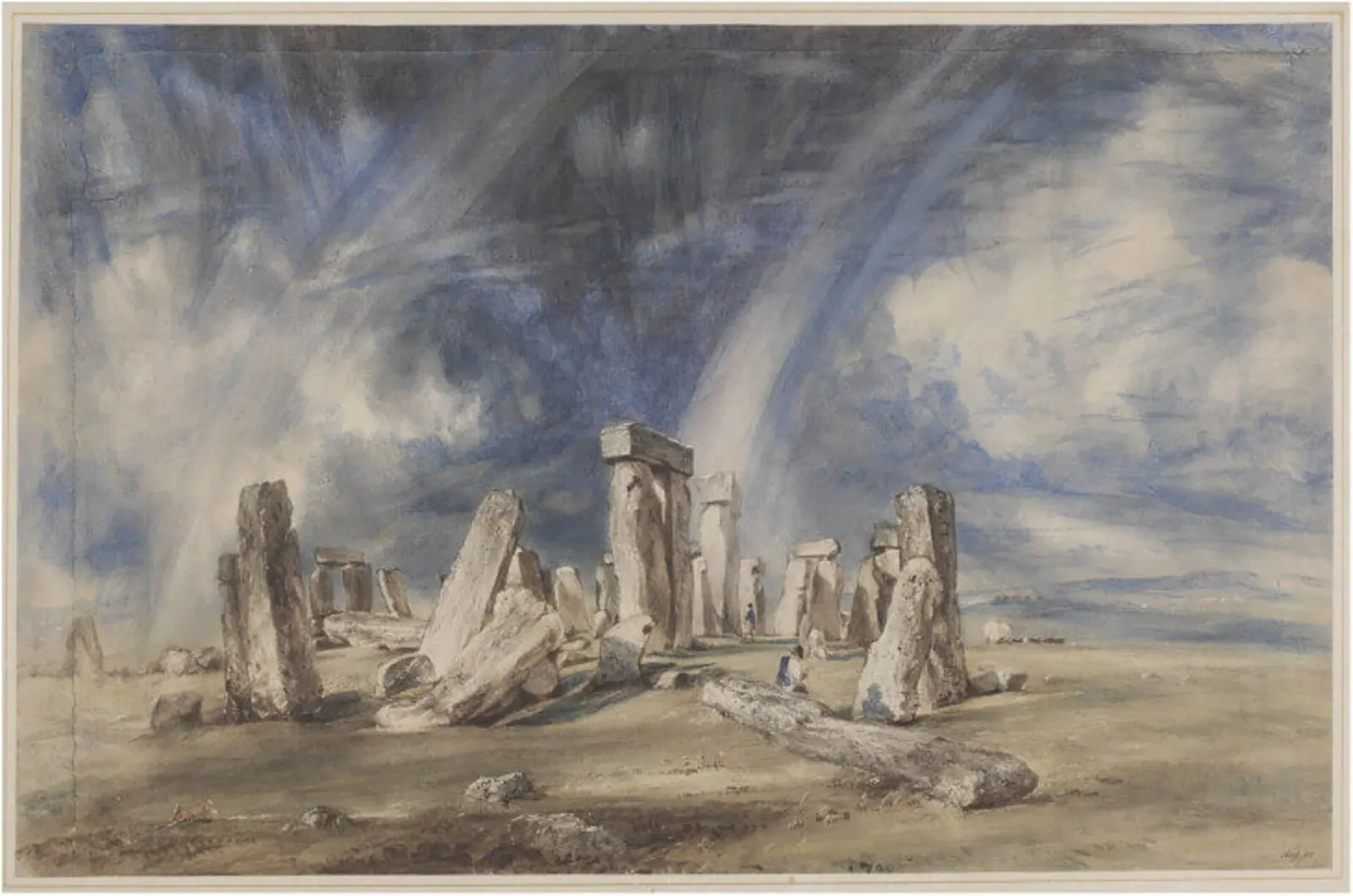
John Constable, Stonehenge, 1835, watercolour. Victoria and Albert Museum.
About 2500 BC
The stones are raised
English Heritage says the stone circle at Stonehenge was built in the late Neolithic period, about 2500 BC, after an earlier ditch-and-bank monument. It was changed over about 1,500 years.
The Romans founded a town at Bath in the 1st century AD and used the natural hot springs as a thermal spa. Their temple and baths still lie at the heart of the city.
King Edgar was crowned King of All England in Bath on Whitsunday in 973. The service was put together by Dunstan, Archbishop of Canterbury, and a window in Bath Abbey shows the crowning.
In the 18th century Bath grew into an elegant spa city. UNESCO says its crescents, terraces and squares were planned to join architecture, town planning and landscape.
A small taste or keepsake can make a day away feel more personal. Here are three ideas to try.
Just ideas for any free time you get.
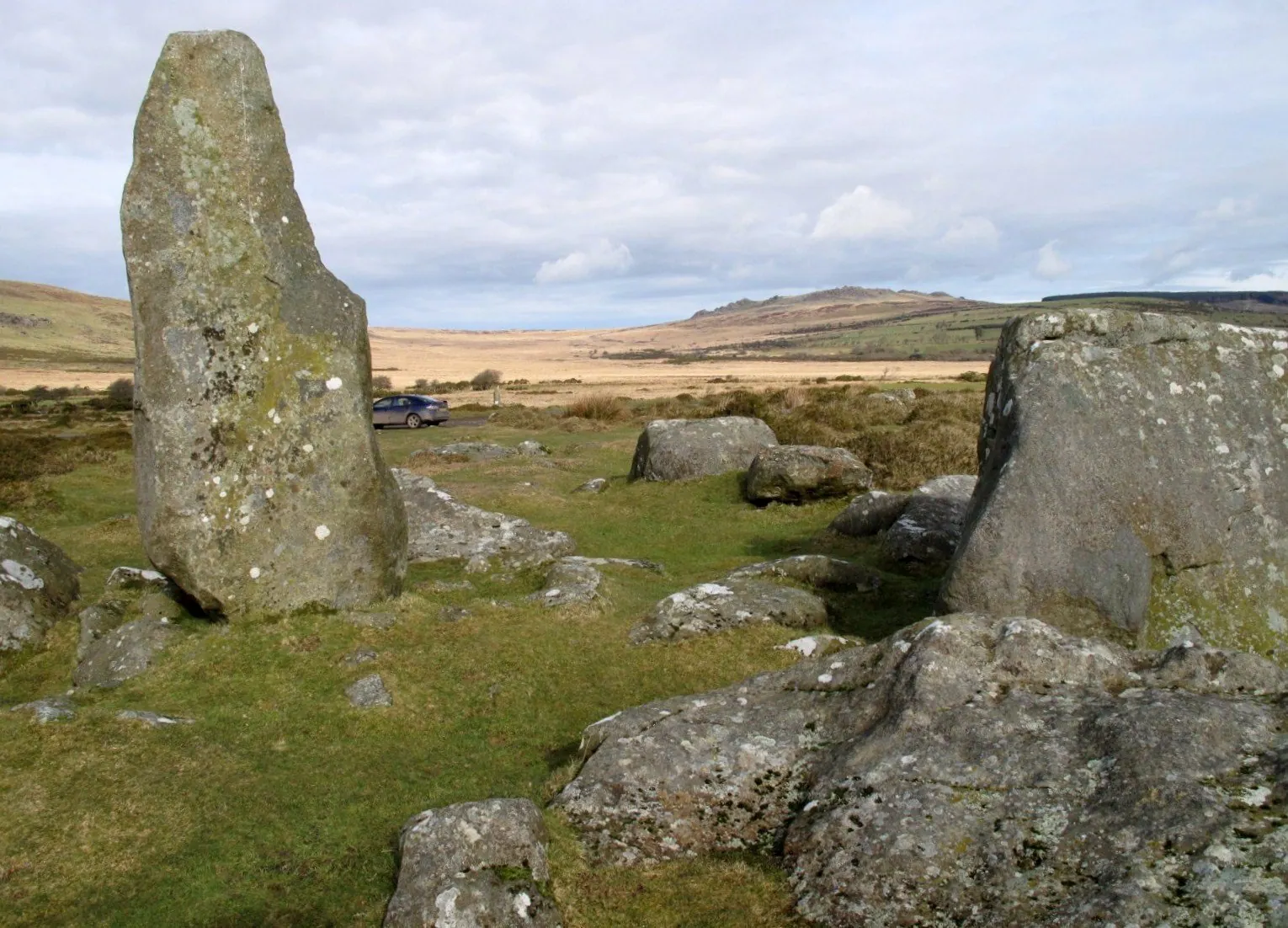
Preseli bluestones, Wales
Take home
Stone jewellery from Stonehenge
English Heritage’s Stonehenge range includes jewellery crafted from local sarsen stone and Preseli bluestone, the two kinds of stone in the monument. It also sells local honey.
Where to find itAt the visitor centre shop, if you have time there.
Illustrative
Taste
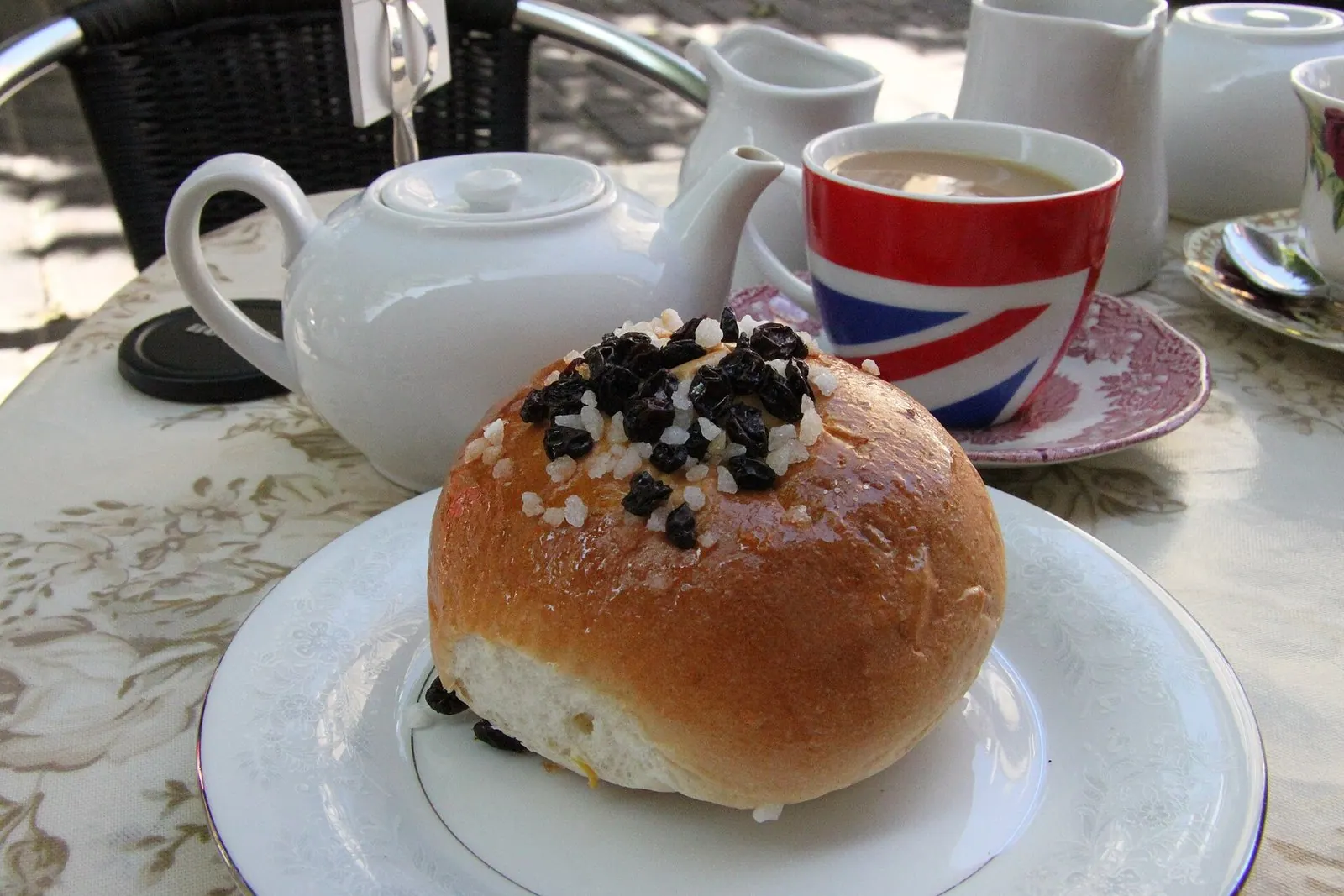
A Bath bun
The Bath bun is made from sweet yeast dough, often with a whole sugar lump in the centre. It was invented in the 1700s by Dr William Oliver, a Bath physician. Visit Bath names two tearooms that serve it.
Where to find itOnly if you have time for a tearoom in Bath.
Illustrative
Taste
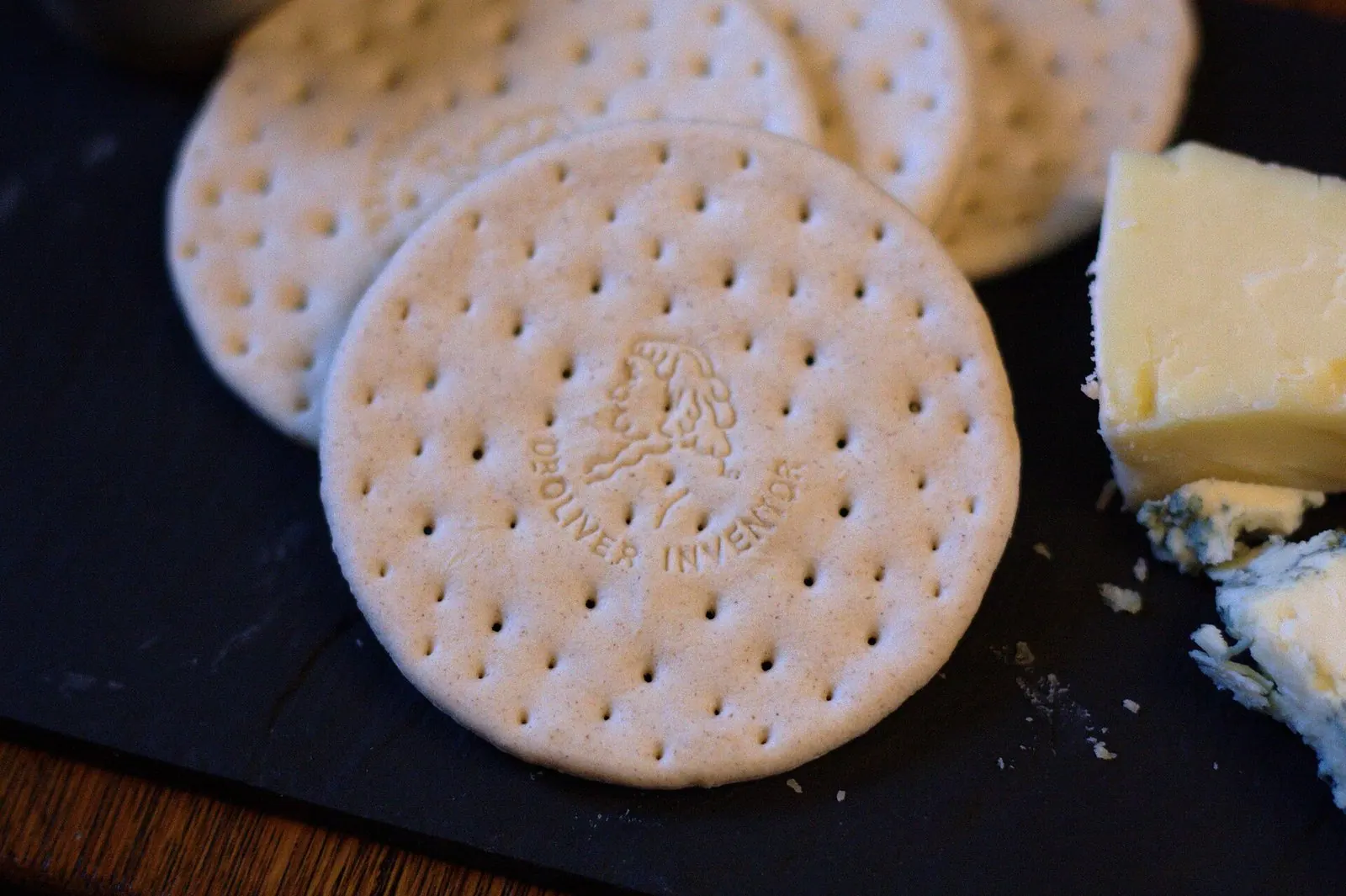
A Bath Oliver with cheese
Dr William Oliver also invented the Bath Oliver in 1750, a savoury hard biscuit often paired with cheese. Visit Bath says you can find them on the shelves of most UK supermarkets.
Where to find itEasy to buy to take home.
A story to take with you
Look for a stone circle in the middle of Bath.
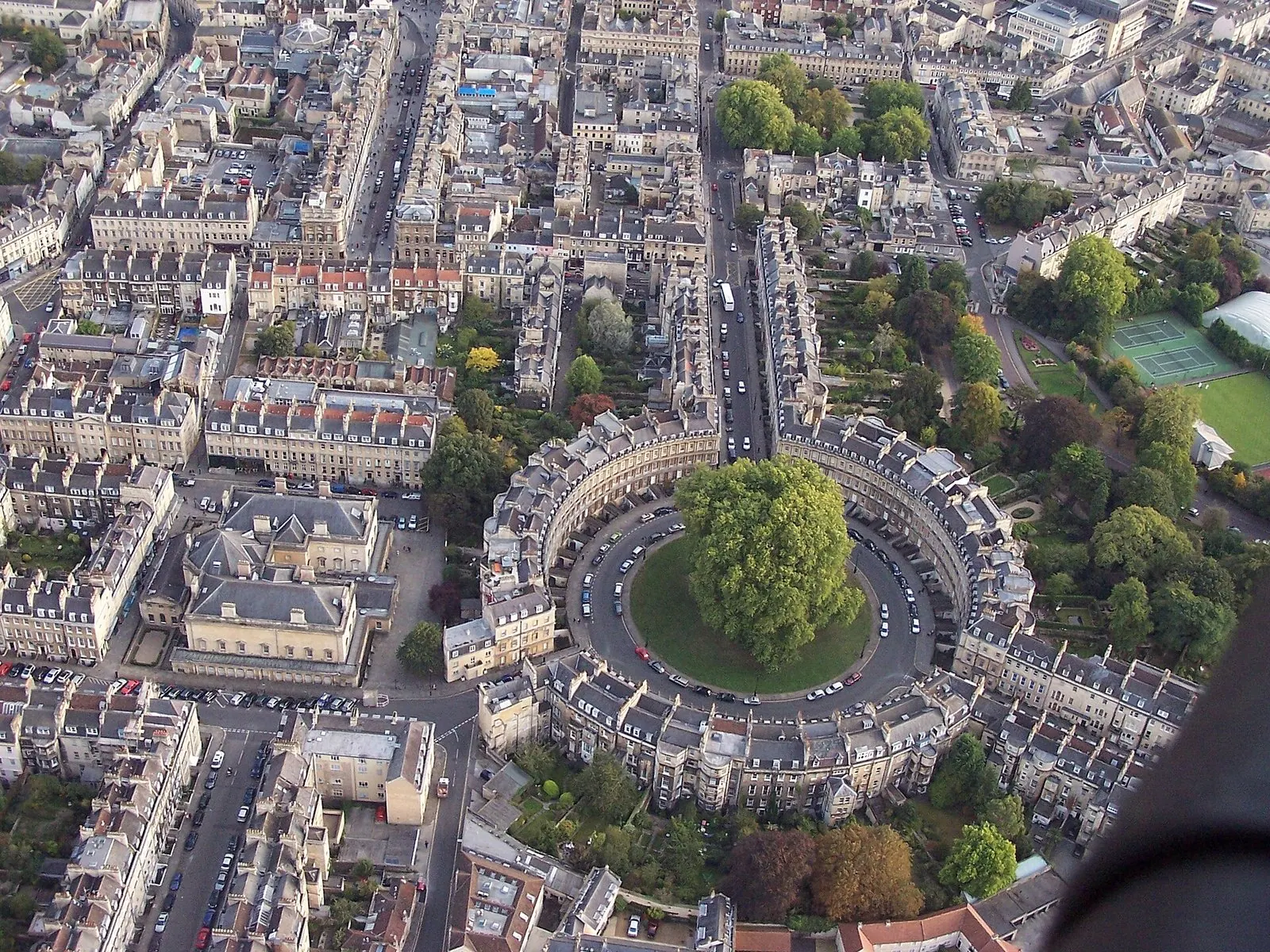
Two of the best-known places on this day have a link. In the 1700s the architect John Wood the Elder designed the Circus in Bath, a ring of grand houses. Visit Bath says it was inspired in part by Stonehenge. The Circus is said to represent the sun, and the nearby Royal Crescent the moon. Stonehenge is the work of people who followed the sun about 4,500 years ago.
Whether or not the story is true, it is a pleasing one. You see ancient stones in the morning, and in the afternoon a Georgian (1700s) city that copied the shape of a circle.
Private tour illustration. Picture made with AI for this guide (OpenAI image generation). Illustrative scene · vehicle and pickup arrangements vary by tour.
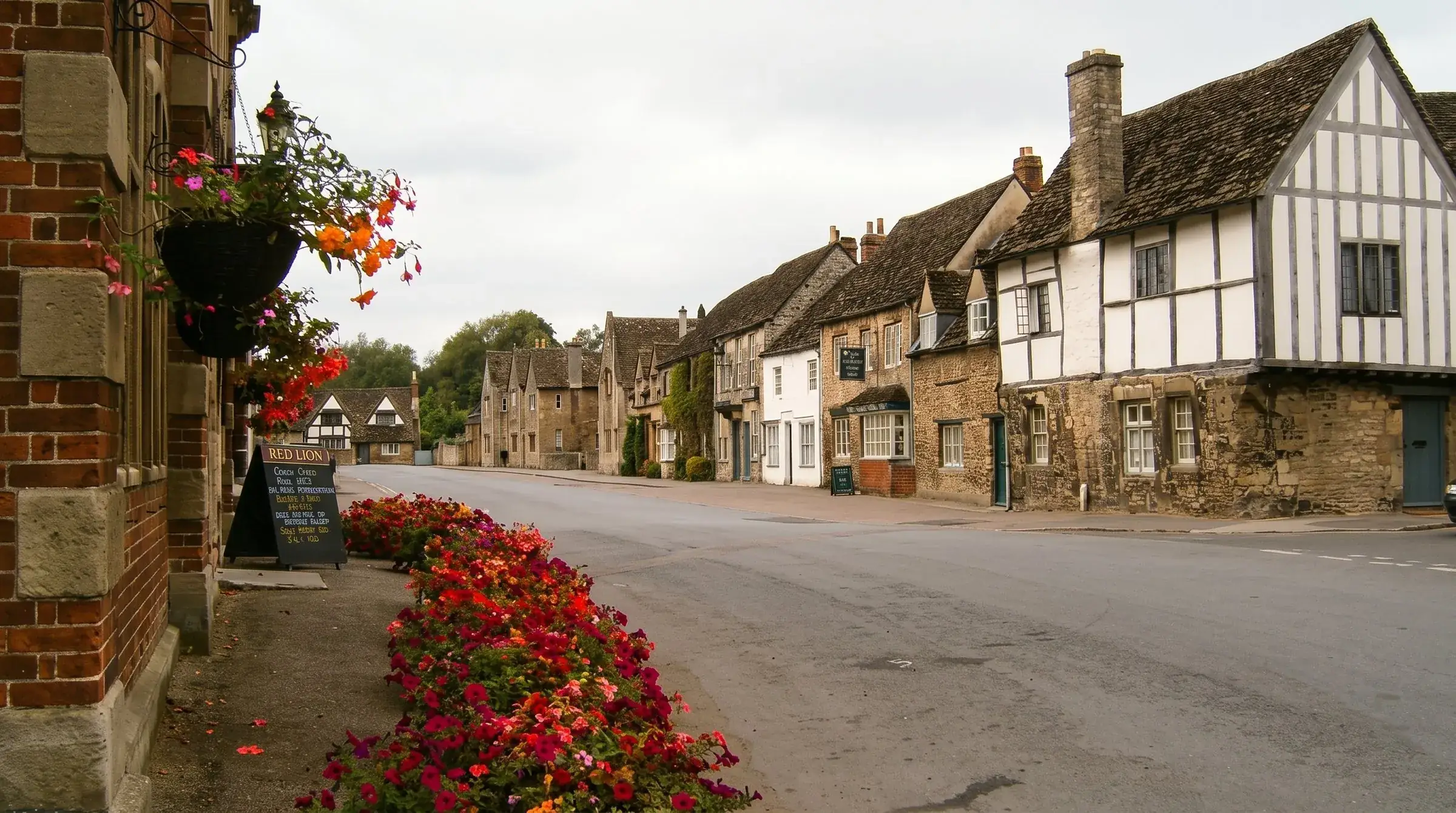
Lacock UK-High Street.jpeg. Picture made with AI for this guide (Ettlz (English Wikipedia); enlarged with AI). Illustration: an AI-enlarged, tidied version of a photograph by Ettlz. Cars and people were removed and some signs redrawn.
Tour details are copied from Viator. Booking links earn us commission, at no extra cost to you. Viator handles the booking; each operator provides its tour.
Get the free Bath and Stonehenge day guide
Save it to your phone before you go. There may be no signal at the stops.
Check your email
We sent the guide to . Check spam if you don’t see it in a few minutes.
You have the Bath and Stonehenge guide
It is in your email: “Your free day guide from See Beyond the City”.