The real England, in one easy day from London
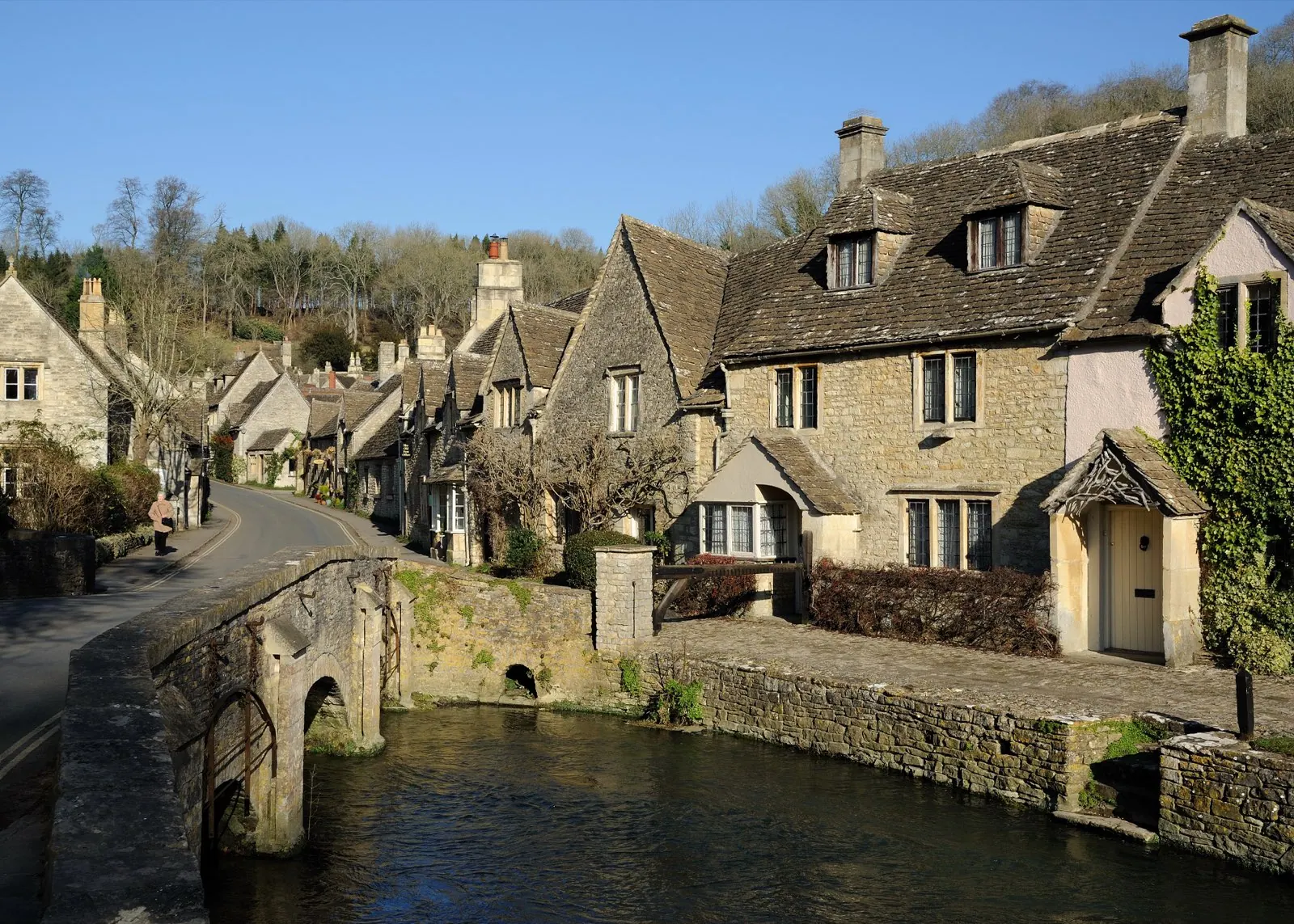
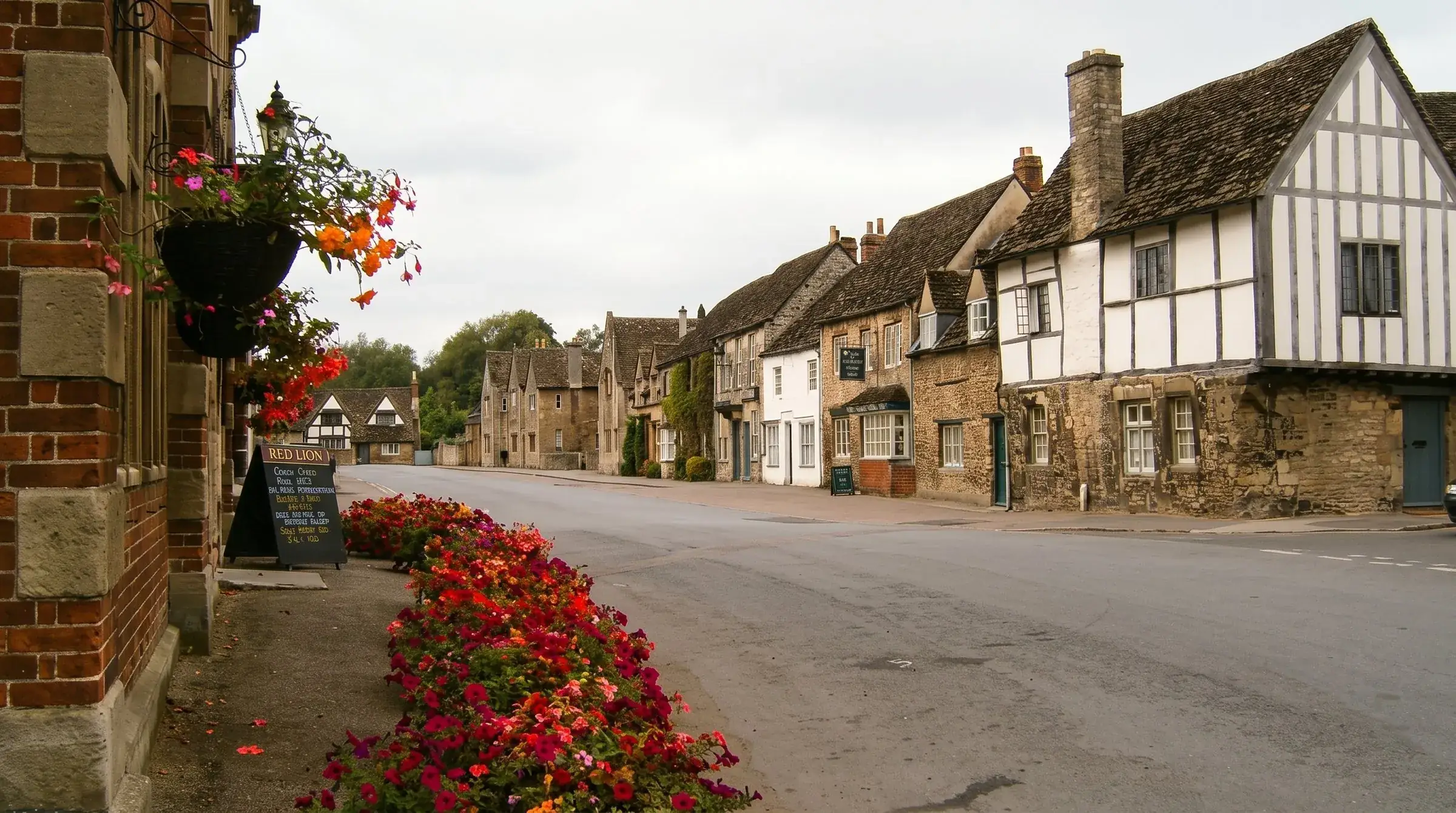
A quiet High Street in Lacock, with a flower bed and a red-brick pub on the left and half-timbered and stone houses on the right Illustration

A medieval village and the home of photography

Lacock

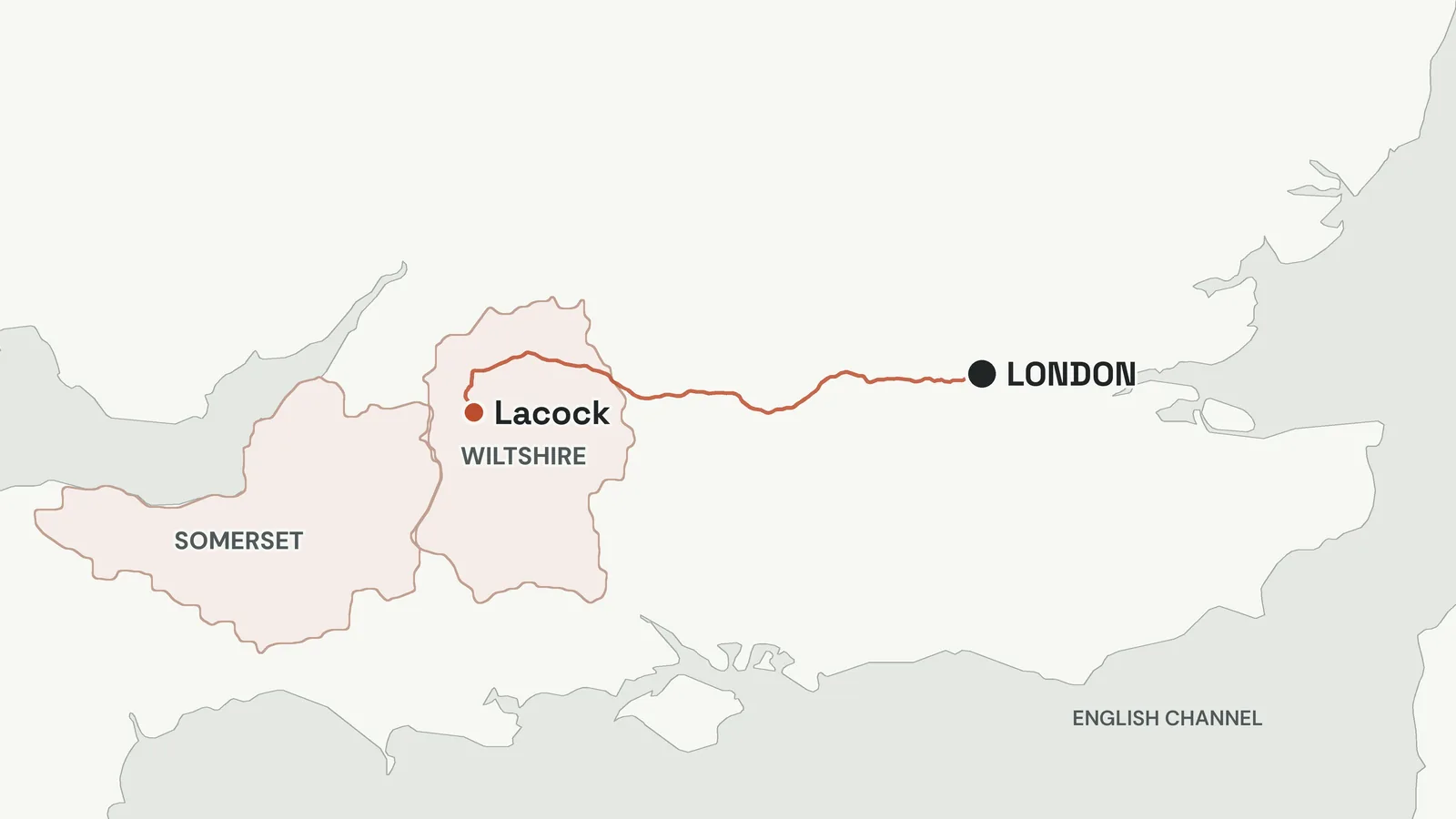
Near Chippenham, Wiltshire · a day trip from London

Why it matters

Why Lacock matters.

Lacock is a village and an abbey that have changed hands, jobs and centuries. Here is who founded the abbey, where photography began, how the village was planned, and why it is a film star.

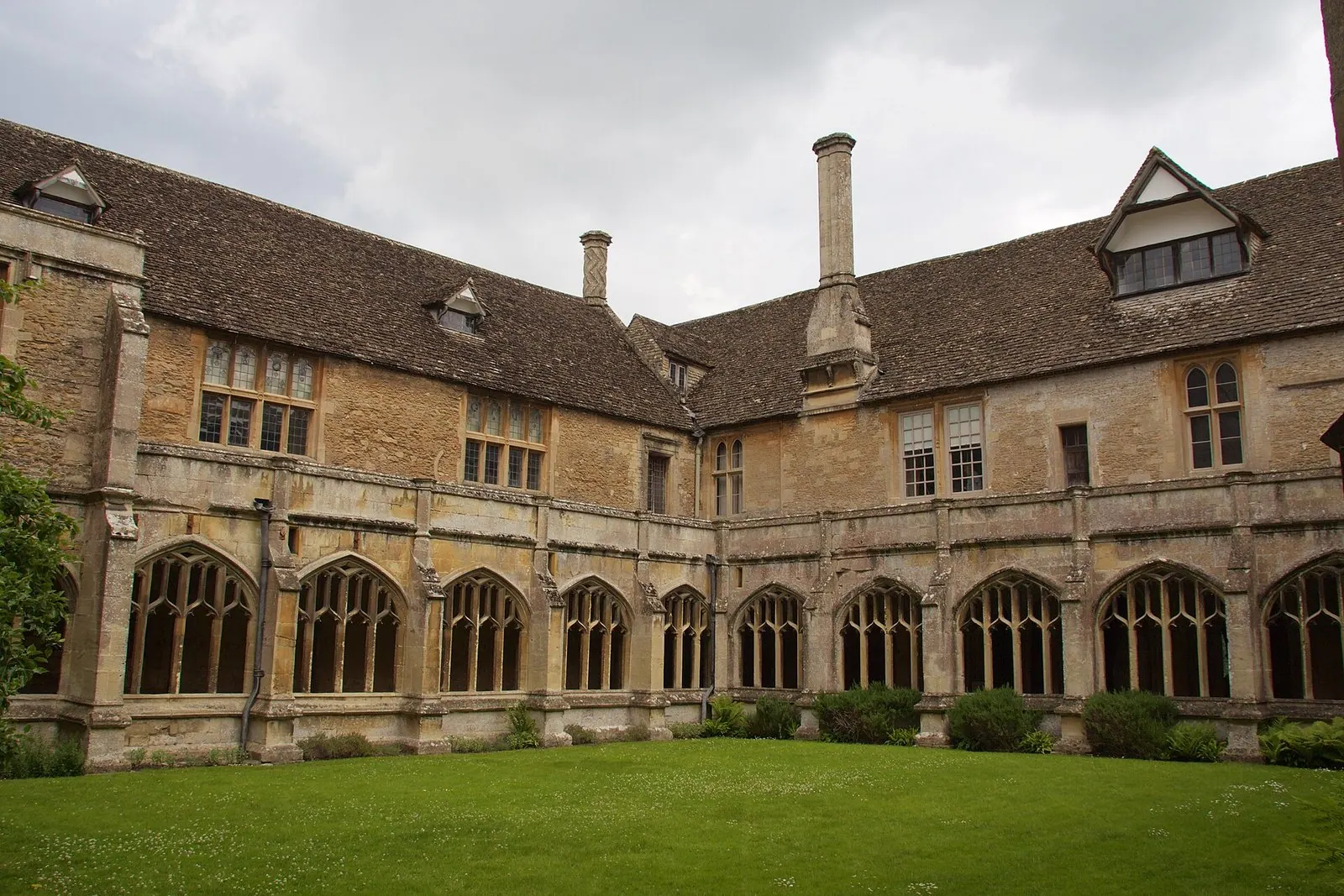
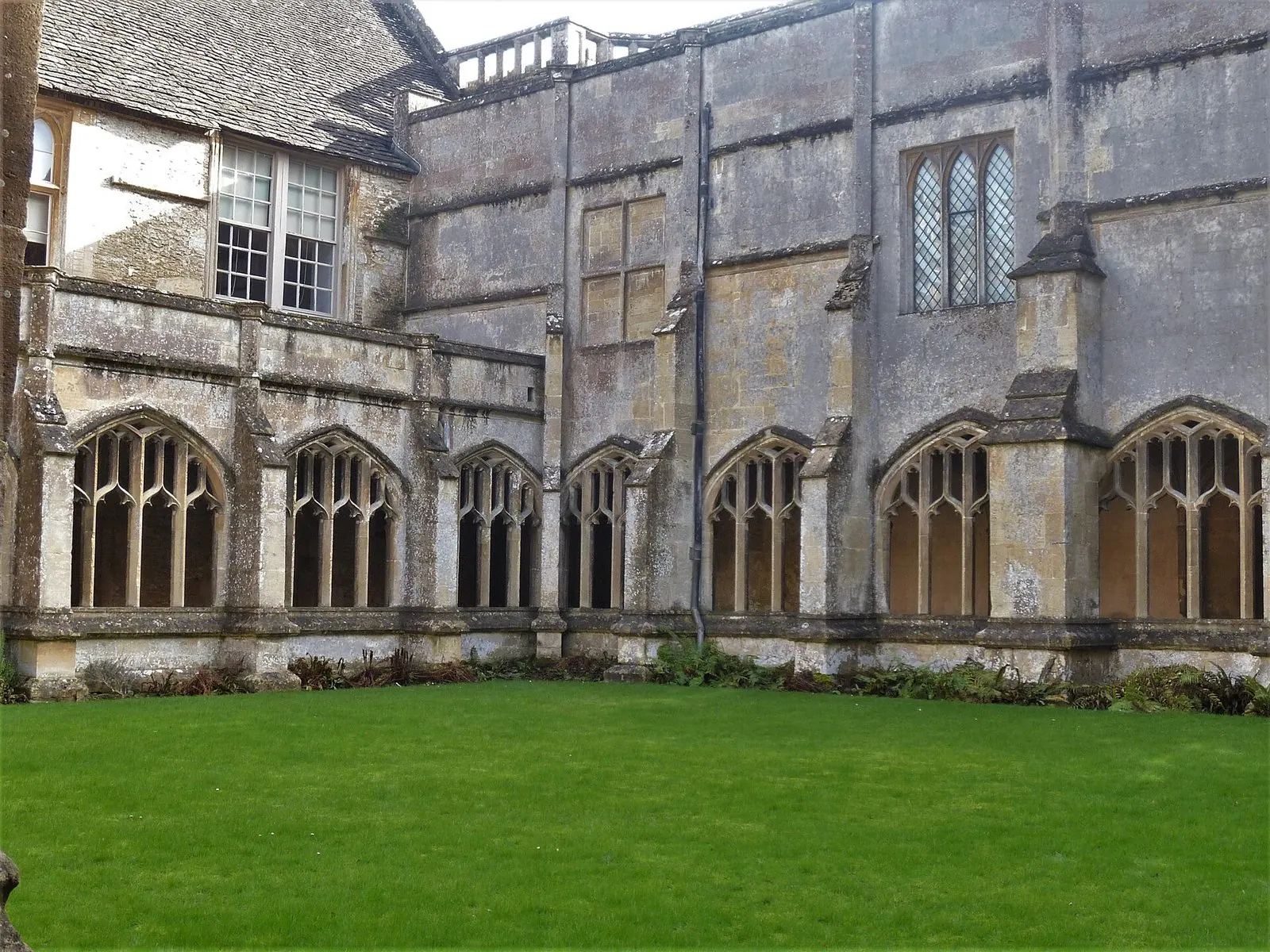
The Gothic arched windows of Lacock Abbey's cloister walk above a lawn, with the abbey's stone walls and roofs behind

01

A countess founds an abbey

In 1232 a powerful woman gave her land for a convent (a community of nuns), and became its abbess (the head nun).

Ela, Countess of Salisbury, founded Lacock Abbey in 1232 on land she owned. She became a nun, and in 1240 she was made Abbess. She was one of the most powerful women of her age, and had served as Sheriff of Wiltshire. Her 1225 copy of Magna Carta was kept at Lacock until 1946. After Henry VIII closed the abbey in 1539, Sir William Sharington bought it and turned it into a country house.

Look for

The medieval cloister, which dates from about 1450, and Sharington’s octagonal tower on the corner of the house.
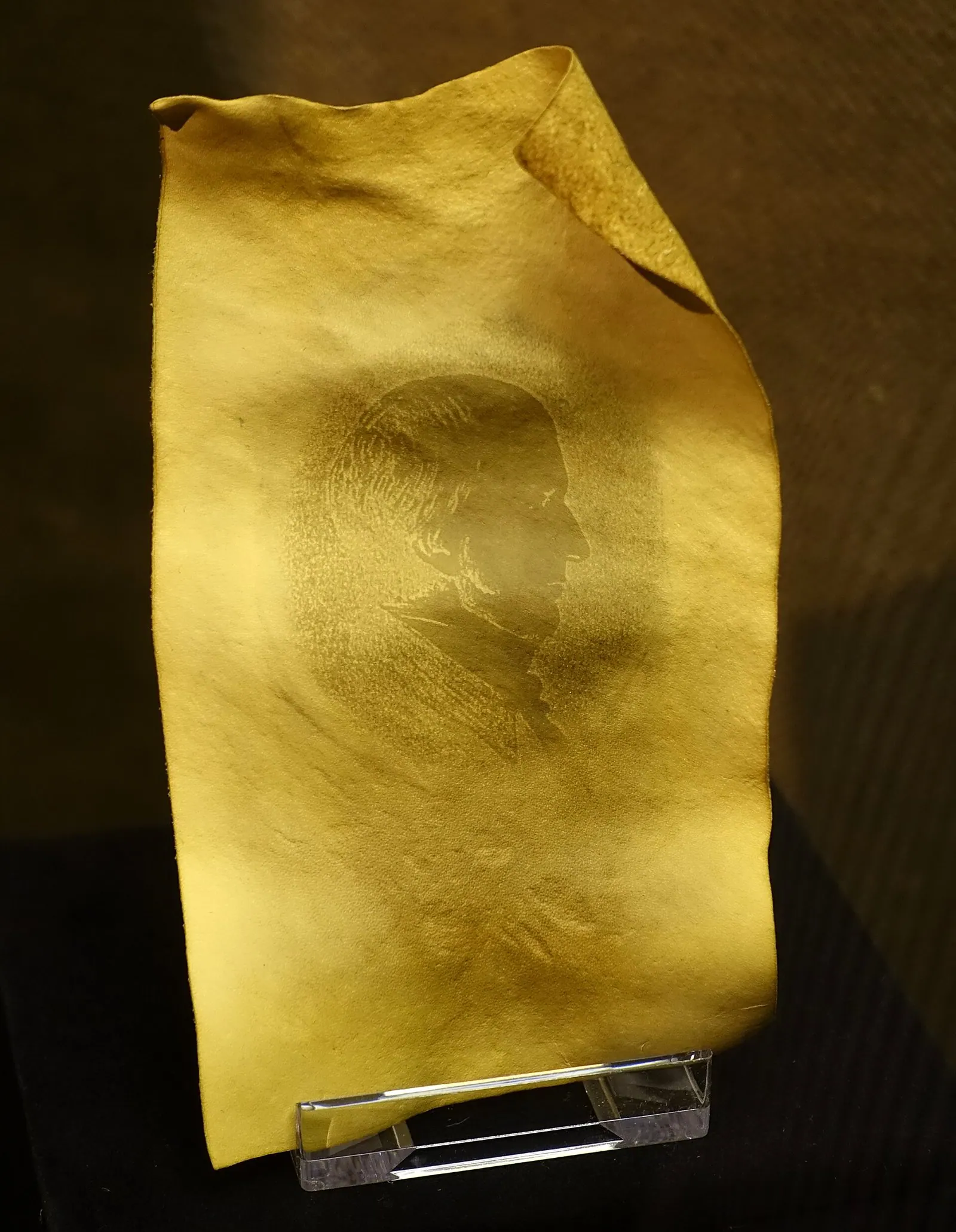
A faint profile portrait of a man, printed on a sheet of yellow leather and shown upright on a small stand in a museum display

02

Where photography began

The first photographic negative that still survives was made here, of a window.

Henry Fox Talbot inherited Lacock Abbey when he was five months old. In 1835 he made a permanent image of a small window in the abbey’s South Gallery. It is not much bigger than a postage stamp, and it is now celebrated as the world’s earliest surviving photographic negative. Talbot noted that the 200 or so squares of glass could be counted. His wife, Constance, inspired his experiments, and from about 1839 she tried photographic processes herself.

Look for

The latticed window in the South Gallery, and the Fox Talbot Museum, in a 16th-century barn that once held stables.

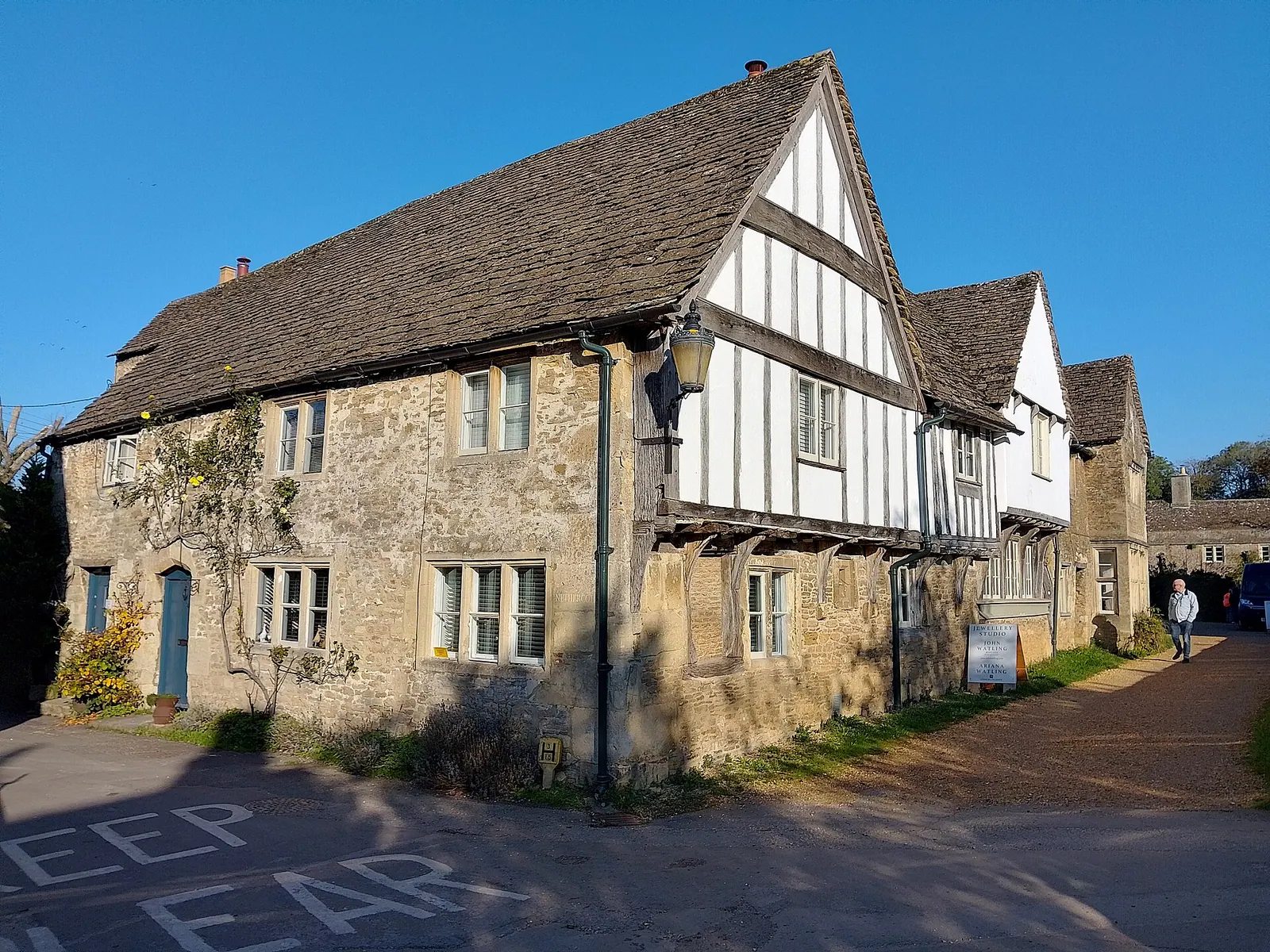
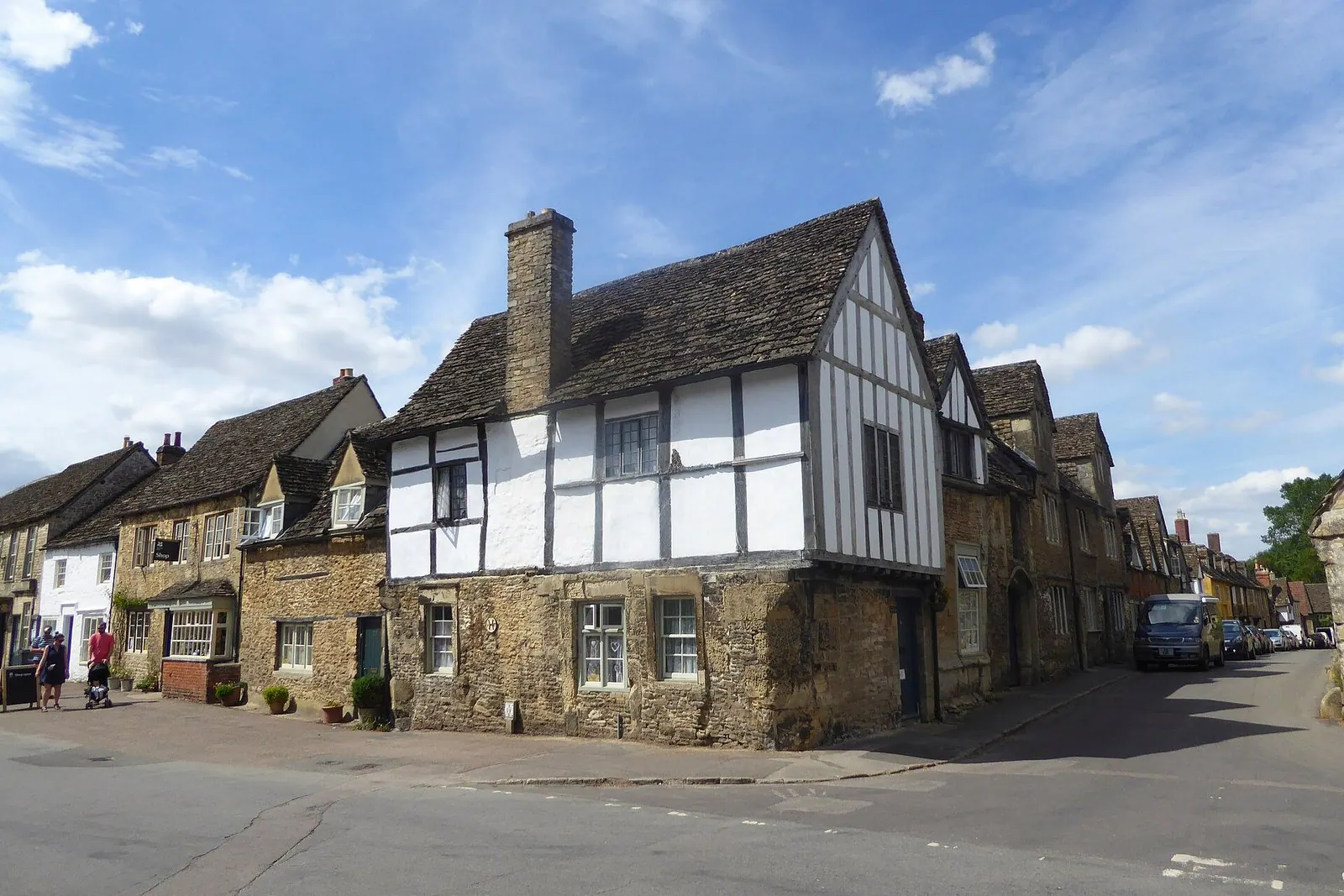
A half-timbered corner house with white plaster panels and a tall chimney on a quiet village street, with stone houses and a parked van beyond

03

A village laid out on a grid

The village streets were planned in the Middle Ages, and have hardly changed.

The name Lacock comes from Saxon times and means “little stream”, after the Bide Brook that runs through the village. Settlement began round the church, which explains the bendy line of Church Street. The other streets were laid out deliberately as a medieval planned town, on a grid of four main streets. The National Trust says the village looks much as it did 200 years ago. At 2 High Street, the old shop window is still arranged as the last shopkeeper left it.

Look for

The window of the old shop at 2 High Street, and the 14th-century tithe barn.

A white half-timbered house with a steep stone-slate roof beside a stone house with a blue door and lace curtains, under a blue sky

04

A village that works on screen

Film crews come here because the streets look untouched by modern life.

The National Trust says Lacock village is a favourite of film and television producers. With no satellite dishes or overhead cables in view, it has been used for Downton Abbey, the BBC’s Pride and Prejudice and Cranford. Scenes from the films Harry Potter and the Half-Blood Prince and Wolfman were also filmed in the village. The abbey stood in for parts of Hogwarts and for Wolf Hall. Fees from filming go back into conservation work.

Look for

Church Street, which became a 1920s livestock show for Downton Abbey in 2015.

Your time there

What to see.

These are the highlights worth looking out for, if your time allows.

Most of Lacock is village streets, which cost nothing to walk. The abbey, its cloister and the Fox Talbot Museum each need a ticket and more time. Here are the highlights.

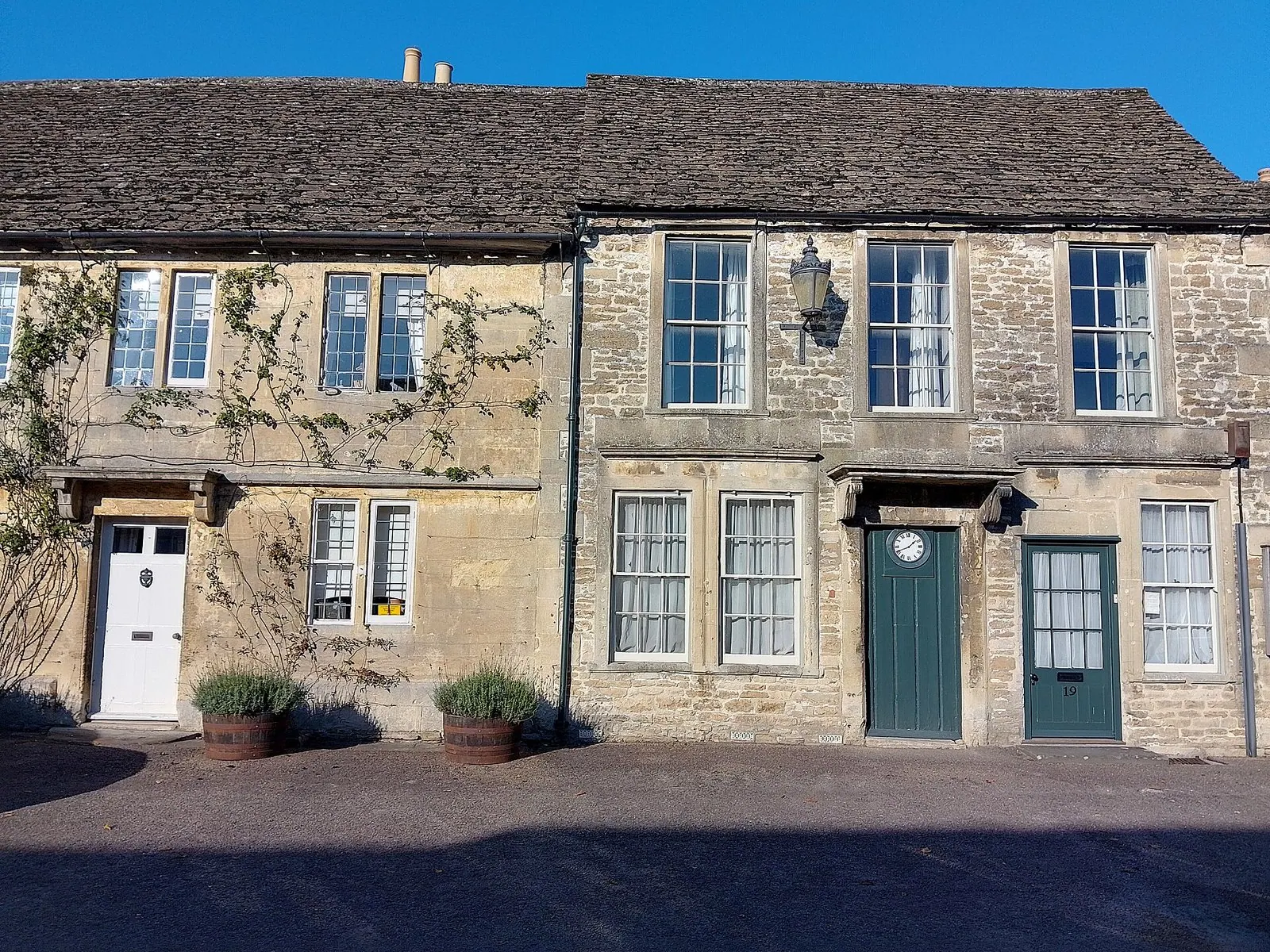
A terrace of stone houses on High Street, with a white door on the left, two green doors with a round clock above one, and barrel planters out front
Don’t miss

The four village streets

Timber-framed cottages, small shops, pubs and a bakery along a medieval grid of streets.

About 20 min · Free

Village leaflets, books and maps are available from Visitor Reception, when it is open.

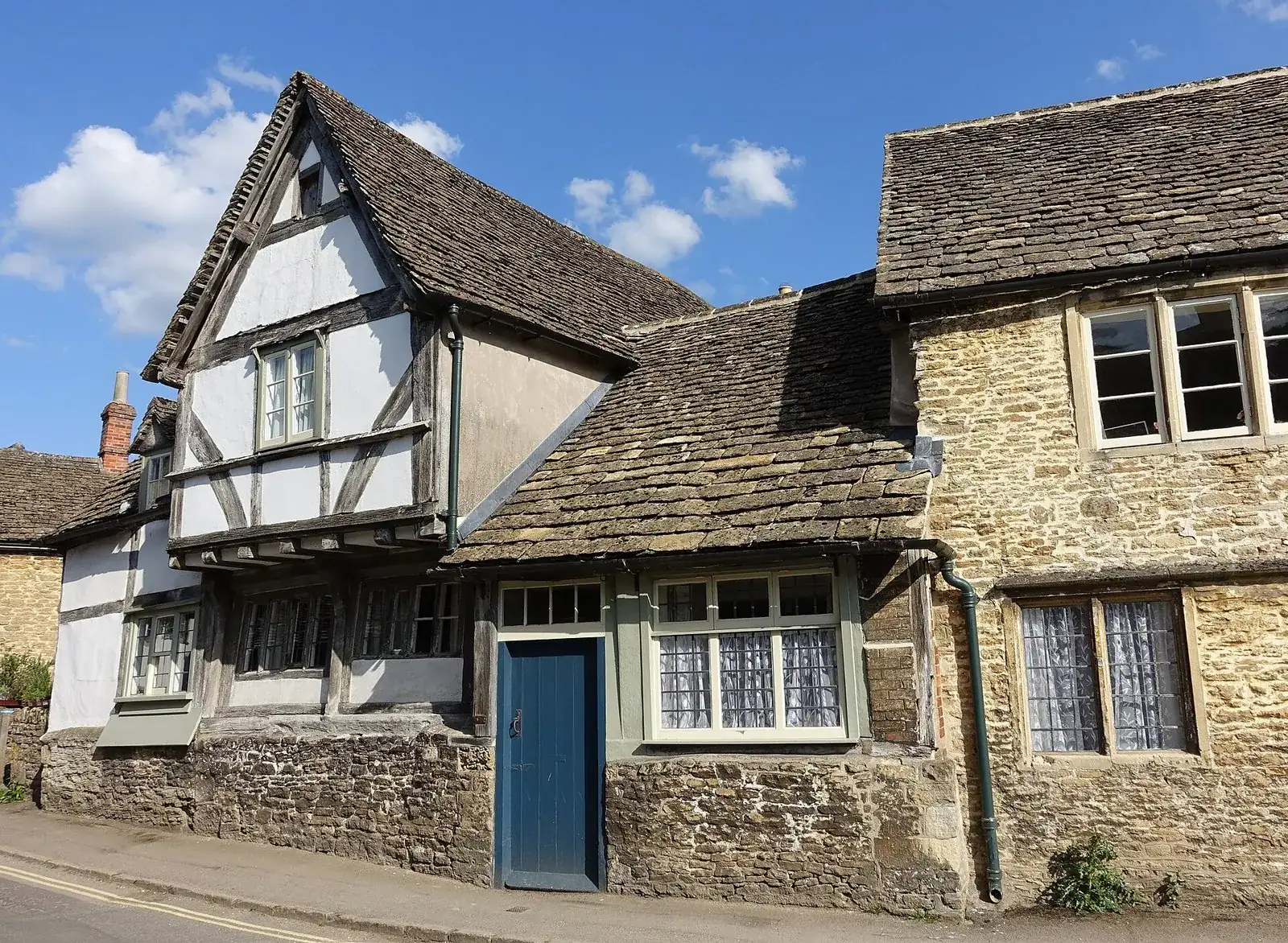
Old stone and timber-framed cottages on Church Street in Lacock, with a steep tiled gable, in bright sun under a blue sky.

Film and TV locations

The abbey’s cloisters stood in for parts of Hogwarts in two Harry Potter films, and the village’s timber-framed houses have appeared in Pride and Prejudice (BBC, 1995) and Cranford.

About 20 min · Free

The cloisters are inside Lacock Abbey, which needs a ticket. The village streets cost nothing.

The cloister of Lacock Abbey seen from the lawn, with rows of pointed arched windows, stone walls, tiled roofs and tall chimneys under a cloudy sky

Lacock Abbey and its cloister

A country house with monastic roots and an original medieval cloister, once home to Fox Talbot.

About 60 min · Own ticket

A ticket is needed. The abbey rooms are closed for the winter now, so check the National Trust page before you go.

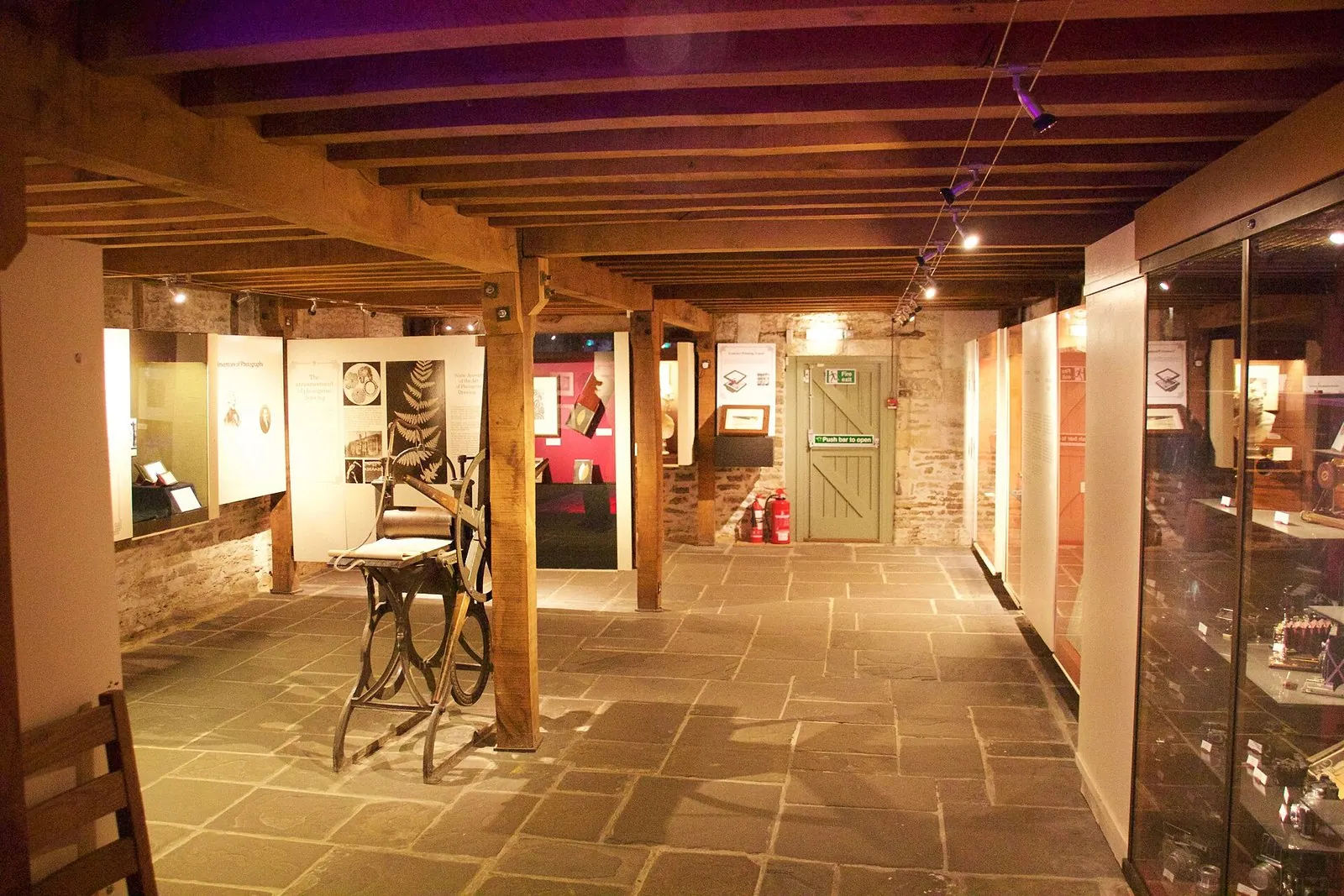
A museum gallery with a stone-flagged floor, oak beams, display cases and wall panels, and an old printing press in the middle of the floor

The Fox Talbot Museum

Early cameras and objects from the birth of photography, in a 16th-century barn, plus changing exhibitions.

About 45 min · Own ticket

Check the National Trust page for the museum's opening hours on your date.

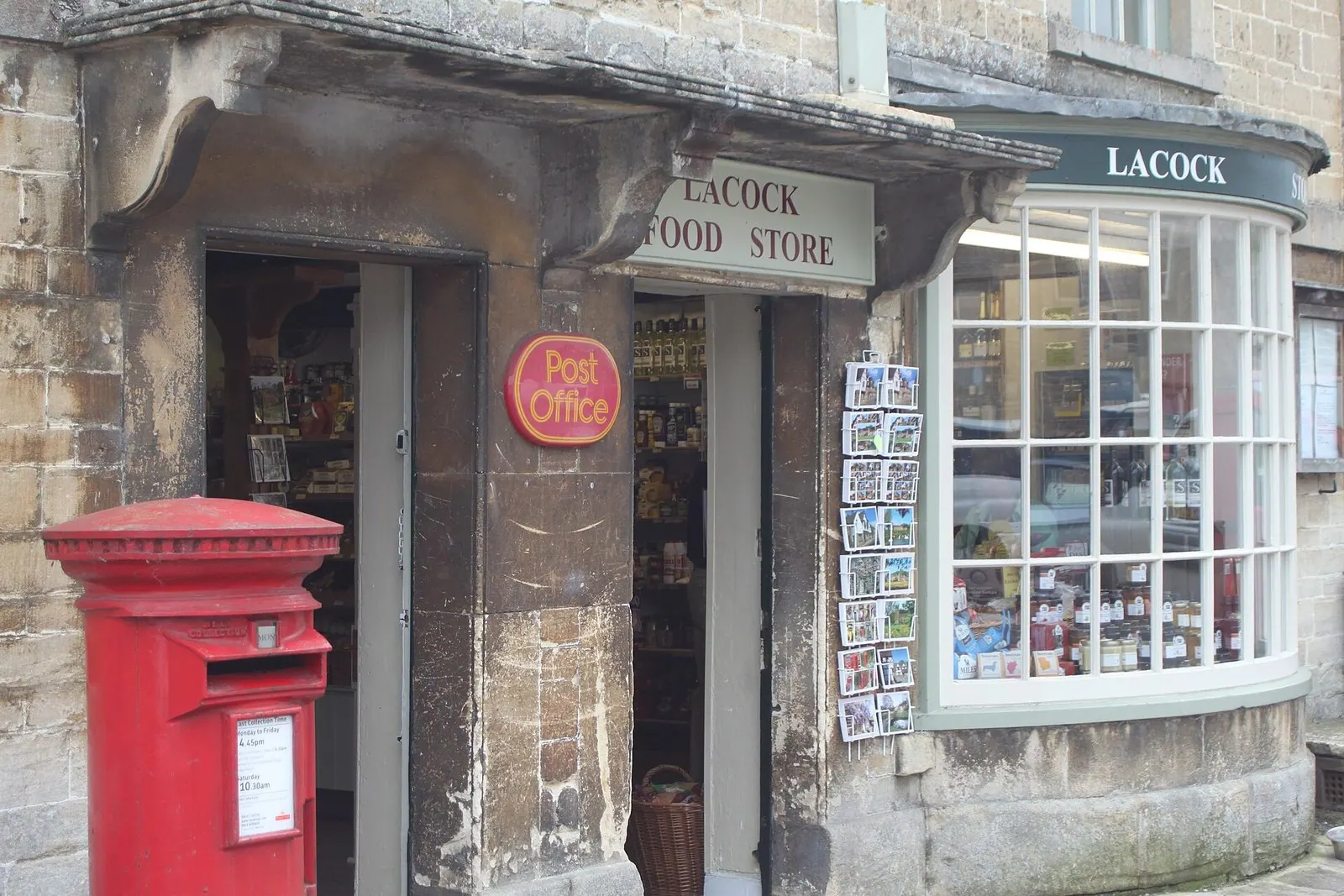
The front of Lacock Food Store and Post Office, with a round red Post Office sign, a red pillar box, a bow window of goods and a stand of postcards

The shop window at 2 High Street

A shop window arranged in the style of the early 1900s by Miss Butler, the last shopkeeper, and left untouched since.

About 5 min · Free

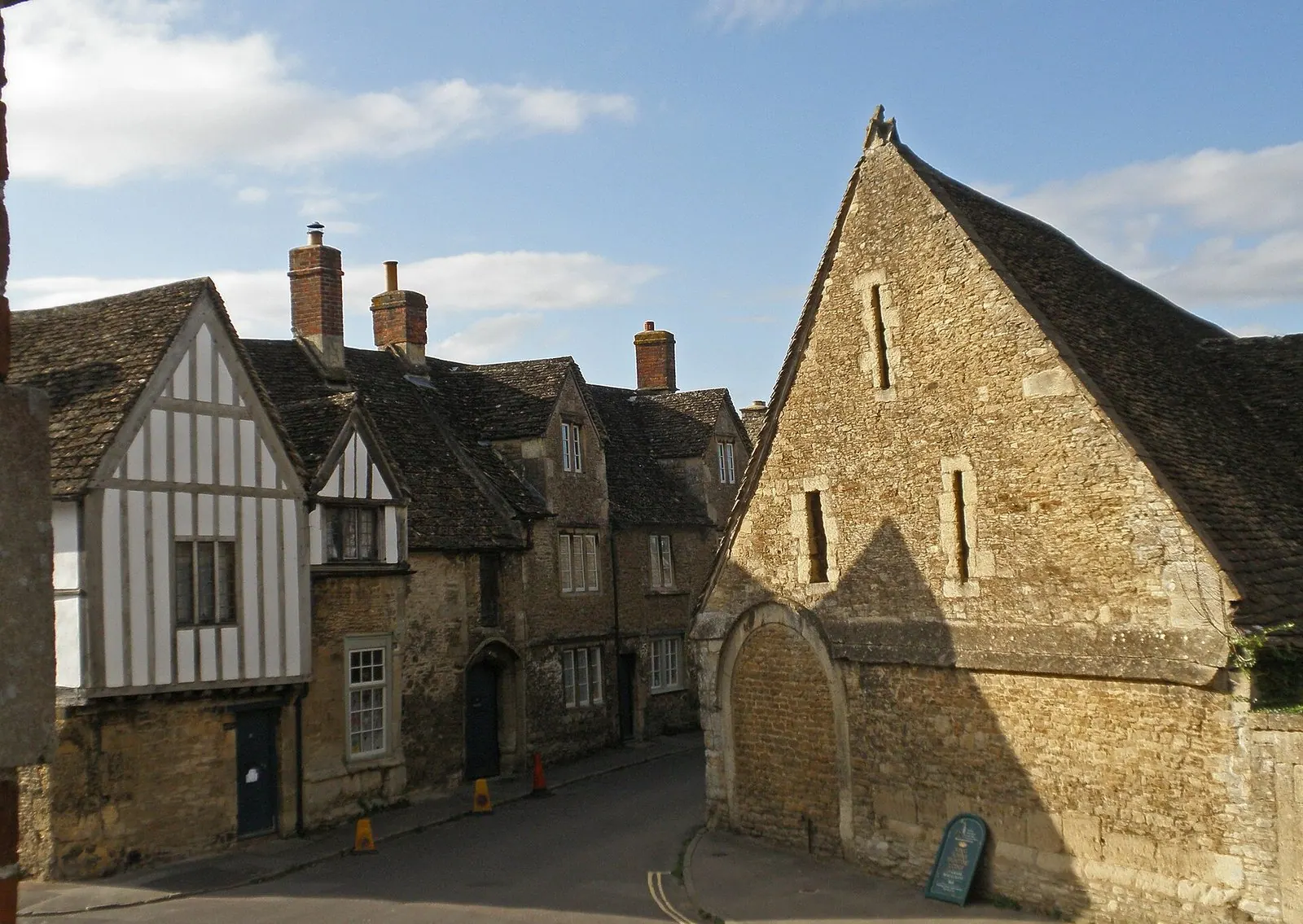
A large stone barn with a steep roof and a pointed arch on the right, beside a bend in the road with half-timbered and stone houses

The medieval tithe barn

A medieval barn from the 1300s, standing in the village.

About 10 min · Free

1 of 6

Swipe for all six highlights →

Practical answers

Before you go.

The questions people ask before they book.

Do I need a ticket for the village?

No. The village streets are free to walk. The abbey rooms, cloister and museum need a National Trust ticket. You can buy it on the day at Visitor Reception, so there is no need to book ahead. National Trust: Lacock → (opens in a new tab)

What is open on my visit?

The village streets are always open. The abbey, cloisters, museum and garden have their own hours, and the abbey rooms close for the winter. Check the National Trust page for your date. National Trust: Lacock → (opens in a new tab)

What should I know before I go?

A short visit is enough for the streets, but not for the abbey, the garden and the museum as well. The abbey rooms close for the winter, so check the National Trust page for dates. National Trust: Lacock → (opens in a new tab)

Is there a café, and are there toilets?

Yes. The Stables Café in the village serves drinks, light lunches, cakes and ice cream, and there are shops, pubs and a bakery. Toilets are in the abbey courtyard and by the Stables Café. National Trust: eating and shopping at Lacock Abbey → (opens in a new tab)

Is Lacock accessible?

Blue Badge parking is at the Hither Way car park, and there are accessible toilets in the courtyard and the village. Access to the abbey includes steps and uneven floors. National Trust: Lacock → (opens in a new tab)

Can I bring a dog?

Dogs on short leads are welcome in the garden all year. Only assistance dogs may go into the Courtyard tea-room. National Trust: Lacock → (opens in a new tab)

Free day guide

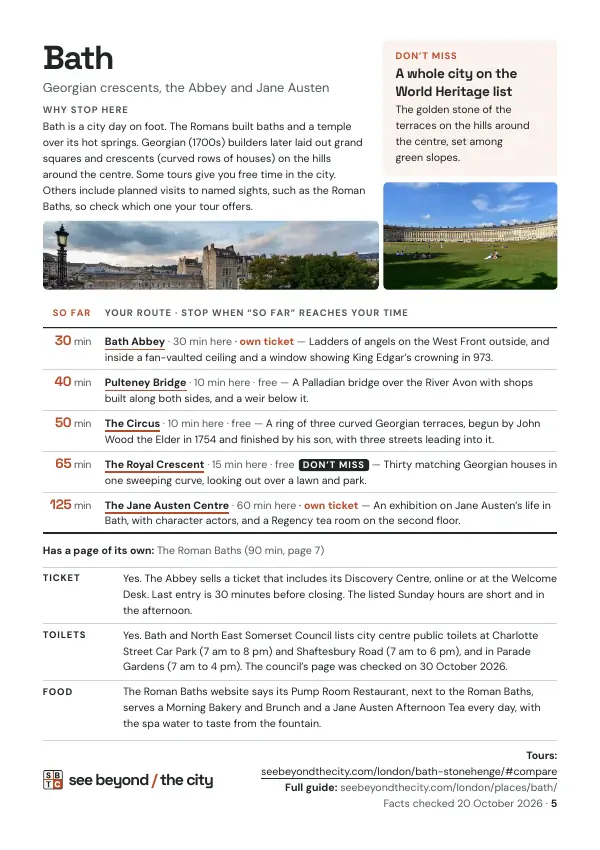
Get the free Bath and Stonehenge day guide

The guide has a page for each stop, with what to see in 30, 60 or 90 minutes, and where to find toilets and food.

Unsubscribe any time. Privacy

When to go

What changes through the year.

The village streets are open all year, but the abbey, the garden and the opening hours change with the season.

Spring

The Woodland Garden is at its best in spring, with snowdrops, aconites, daffodils and crocuses under the trees. The abbey rooms are open from 1 March. National Trust: visiting the garden at Lacock Abbey → (opens in a new tab)

Summer

The abbey rooms are open, and the parkland has mown paths and long summer grasses. The National Trust prices the whole site, abbey rooms included, from 1 March to 31 October. National Trust: Lacock → (opens in a new tab)

Autumn

The swamp cypress planted by Fox Talbot turns red-brown, and the ginkgo and wingnut trees add bright yellow. National Trust: visiting the garden at Lacock Abbey → (opens in a new tab)

Winter

The abbey rooms close for the winter clean. The parkland can close because it floods. The Great Hall has reopened for Christmas in past years, so check the National Trust page for this year's dates. National Trust: Lacock → (opens in a new tab)

Opening hours differ between the abbey, the cloisters, the museum and the shops. Check the National Trust page for your date before you plan the stop. National Trust: Lacock → (opens in a new tab)

A taste and a keepsake

Something to taste or take home from Lacock.

These are small extras to taste or take home from Lacock.

Just ideas for any free time you get.

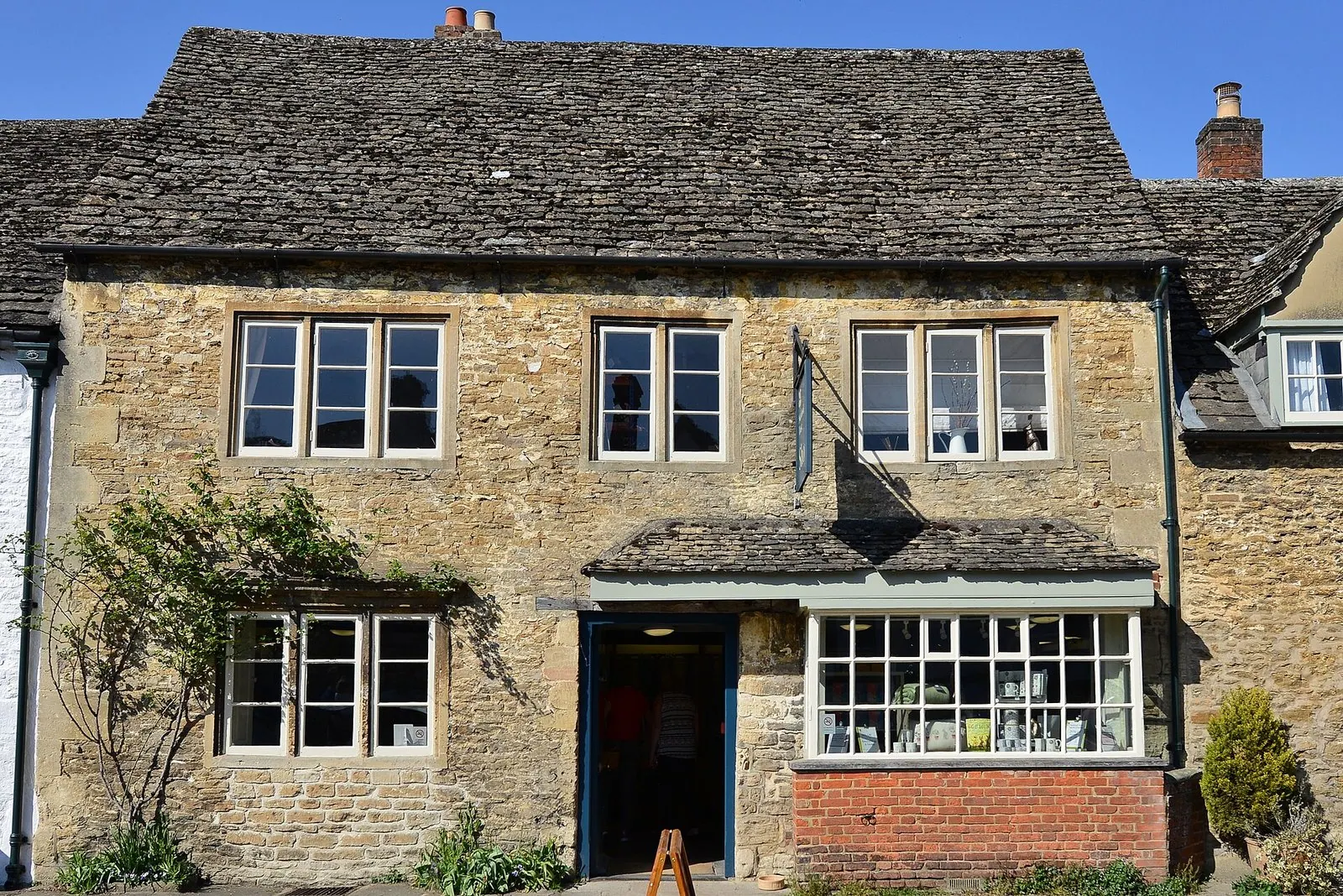
The front of a stone shop with sash windows, an open door and a bow window of goods on display, under a tiled roof
Take home

Locally made gifts

The National Trust High Street Shop is in an old cottage and sells gifts, books, cards and locally made products. Photography books and souvenirs are sold at Visitor Reception.

Where to find itOn the High Street, whenever the Trust’s shop is open.

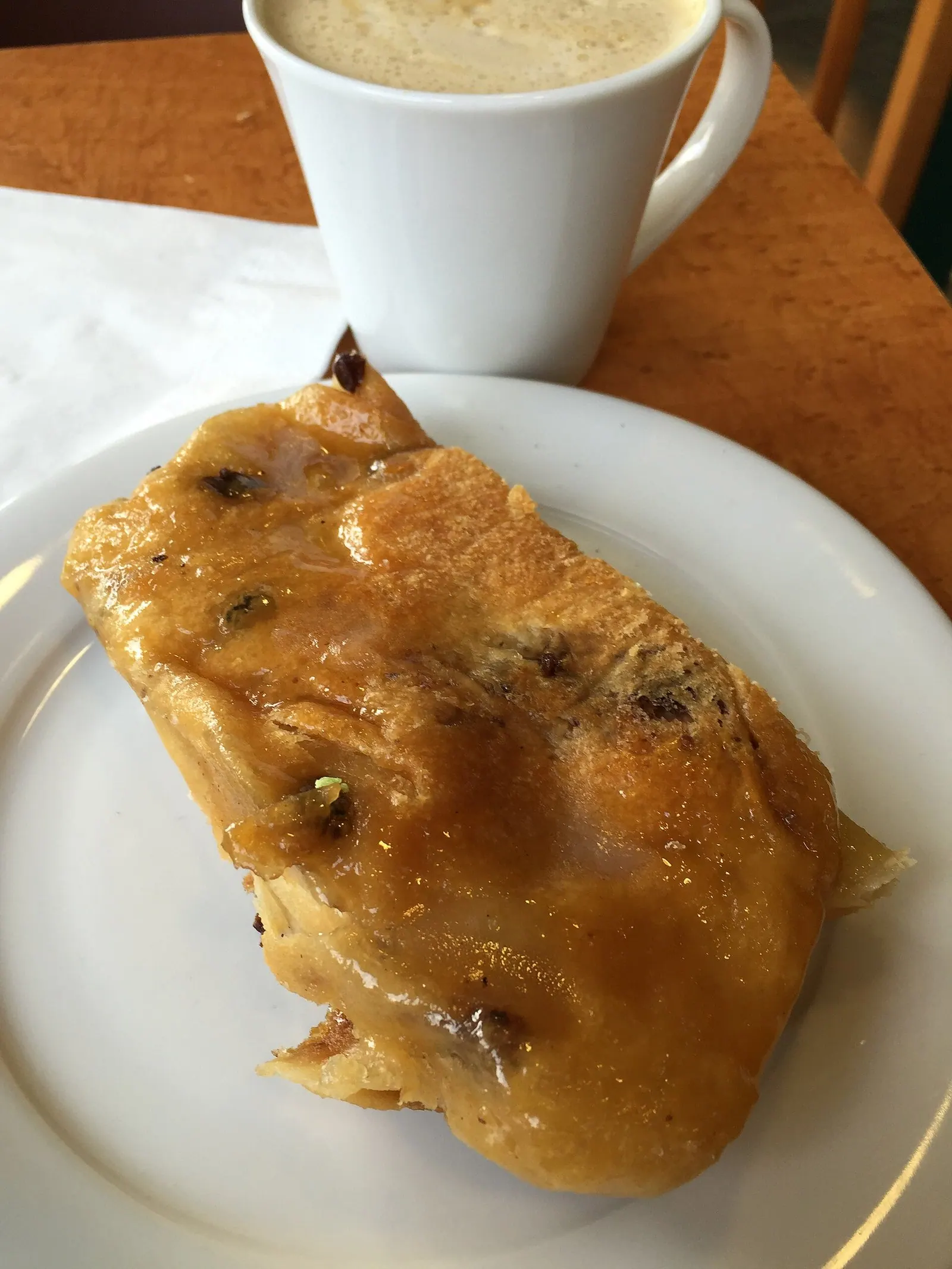
A slice of glossy, sticky lardy cake with raisins on a white plate, with a cup of coffee behind it on a wooden table
Taste

A Lacock Lardie from the bakery

Lacock Bakery in Church Street sells freshly made bakes and cakes. The National Trust suggests trying a Lacock Lardie.

Where to find itIn Church Street, only if you have time to queue.

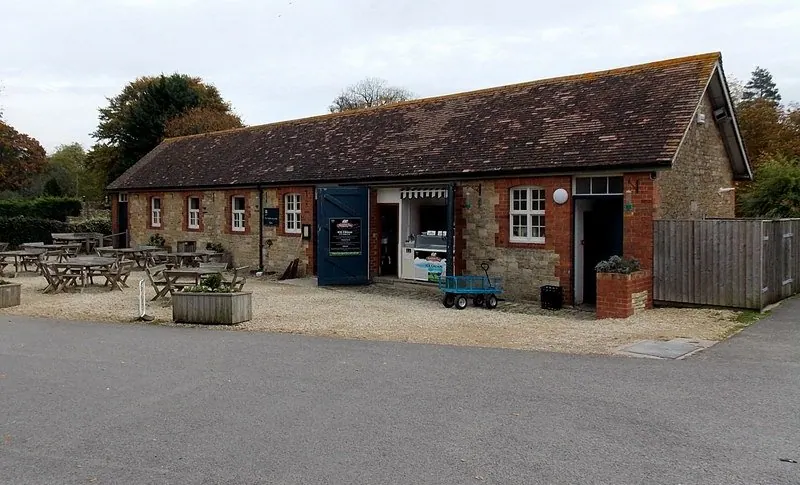
A long, low stone-and-brick tea room building with a tiled roof, picnic tables on gravel to the left and an open serving hatch in the middle
Taste

Stables Café cake and ice cream

The historic Stables Café in the village serves freshly brewed coffee, tea, hot chocolate, cakes, snacks and ice cream, with indoor and outdoor seats.

Where to find itCheck the National Trust page for the café's hours on your date.

Plan your day

Help with choosing.

Also in Bath and Stonehenge

Places on the same day trips.

All Bath and Stonehenge day trips →
Picture credits and sources

Pictures

Image sources and credits are listed here. Pictures made with AI are marked.

Tour photographs are provided by the tour operators through Viator and are shown from Viator’s own image servers.