We sent the guide to . Check spam if you don’t see it in a few minutes.
You have the Kent guide
It is in your email: “Your free day guide from See Beyond the City”.
A trail from London · for Tudor followers
Anne Boleyn’s England, as days out from London
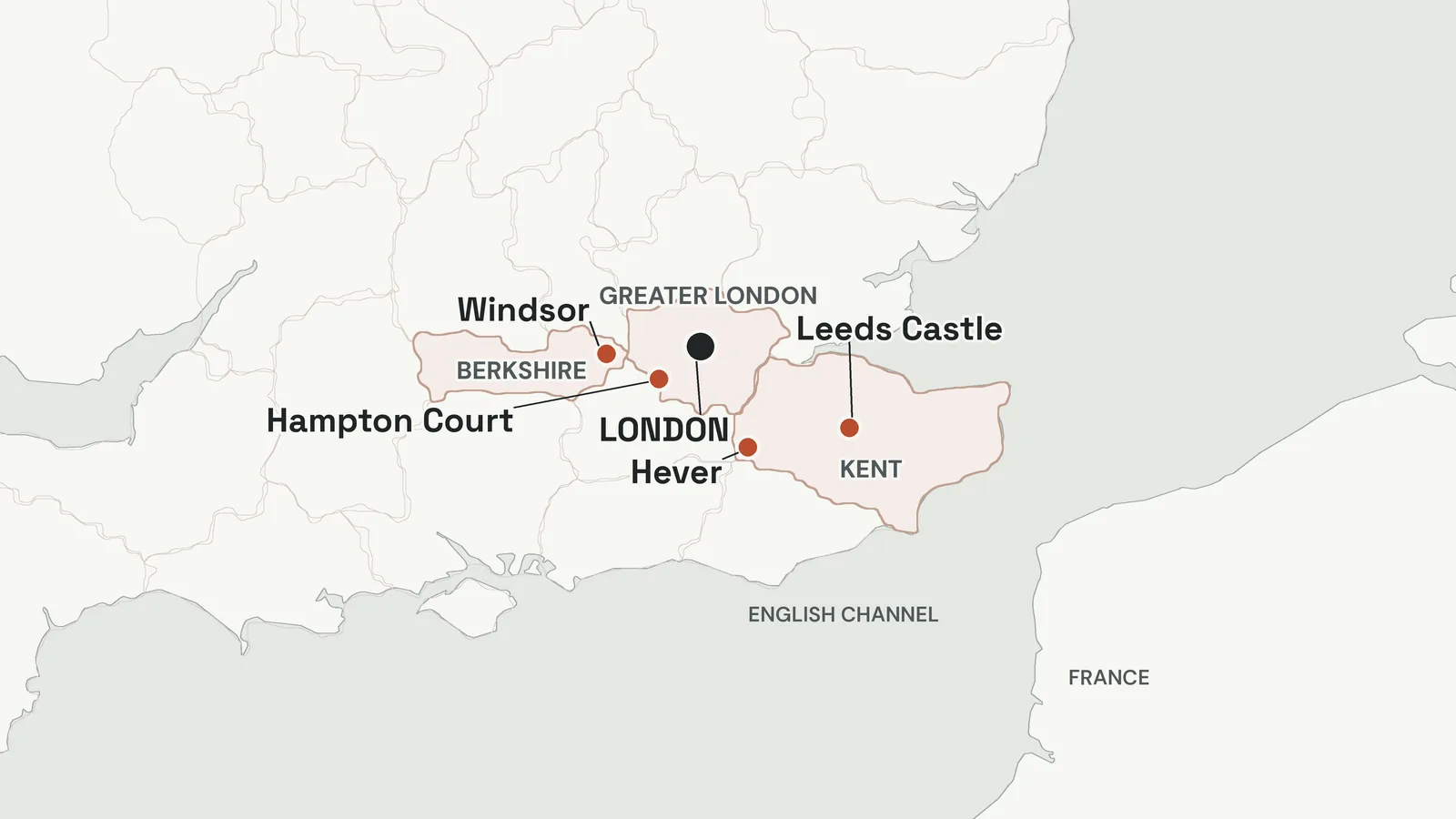
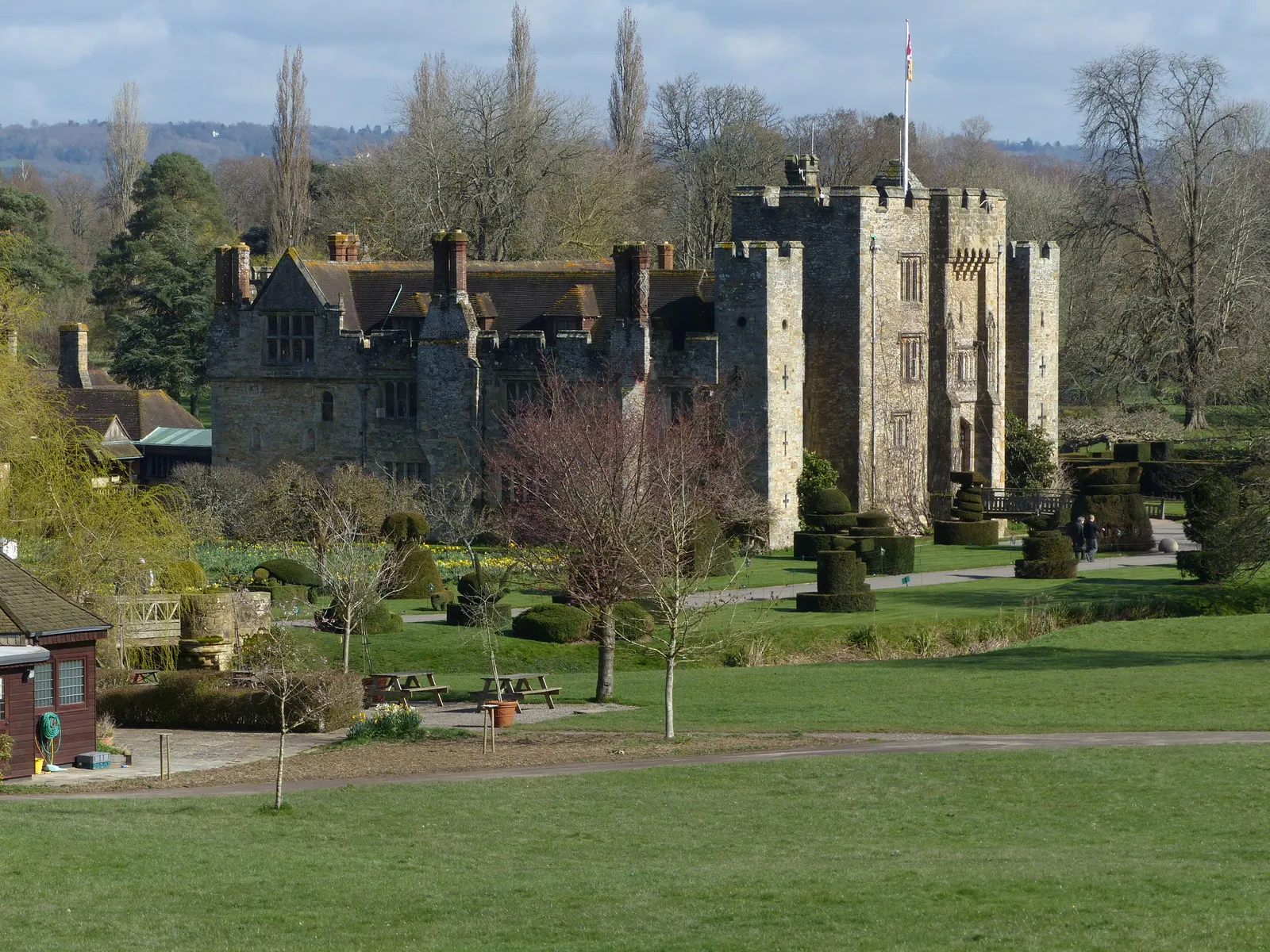
Anne Boleyn grew up at Hever Castle in Kent, became Henry VIII’s second queen and died at the Tower of London. Follow her from Hever and Leeds Castle in Kent to Hampton Court and Windsor, where Henry VIII made her a marquess in 1532.
Her childhood home at Hever, Hampton Court with her badge, Windsor, where she was made a marquess, and Leeds Castle, the Kent palace of the queen she served. The Tower, where she died, is in the box at the end.
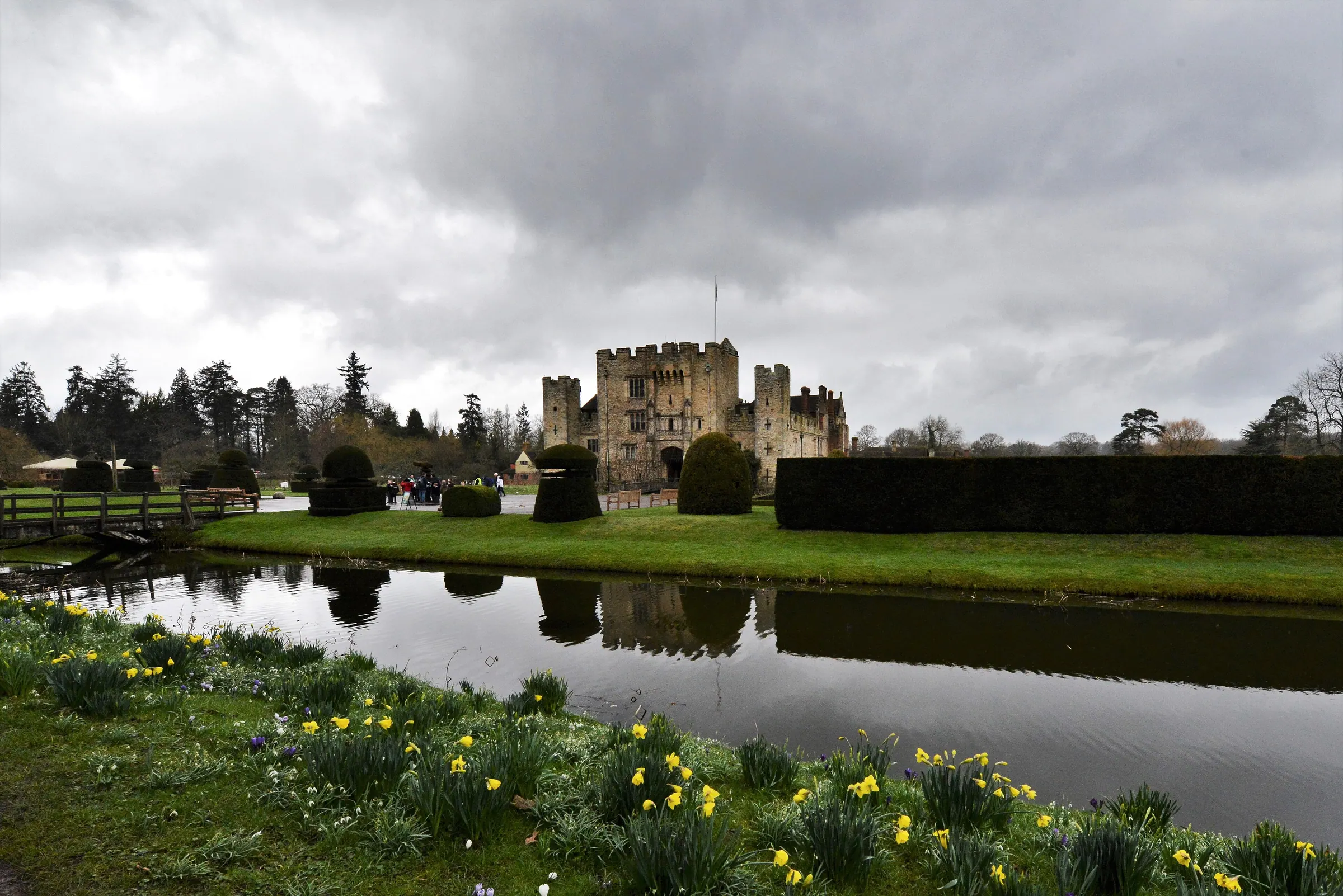
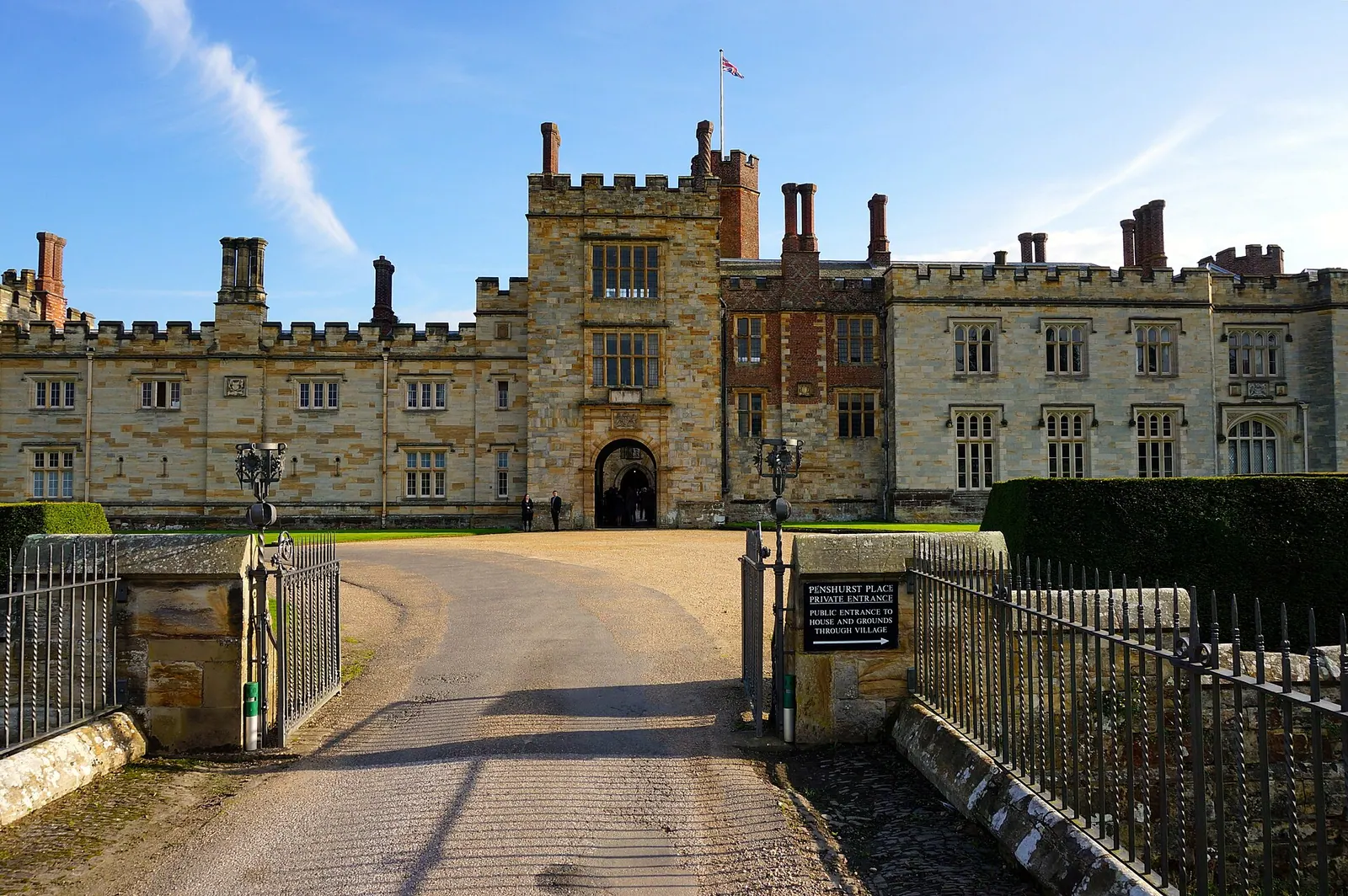
Anne Boleyn grew up at Hever Castle: her family moved to this moated Kent castle about 1505. She was sent home here in 1523, and from about 1526 Henry VIII wrote her love letters, many of them sent to Hever.
How to do it on Anne Boleyn’s day
Start at the medieval gatehouse and drawbridge, then follow the route through the Tudor rooms.
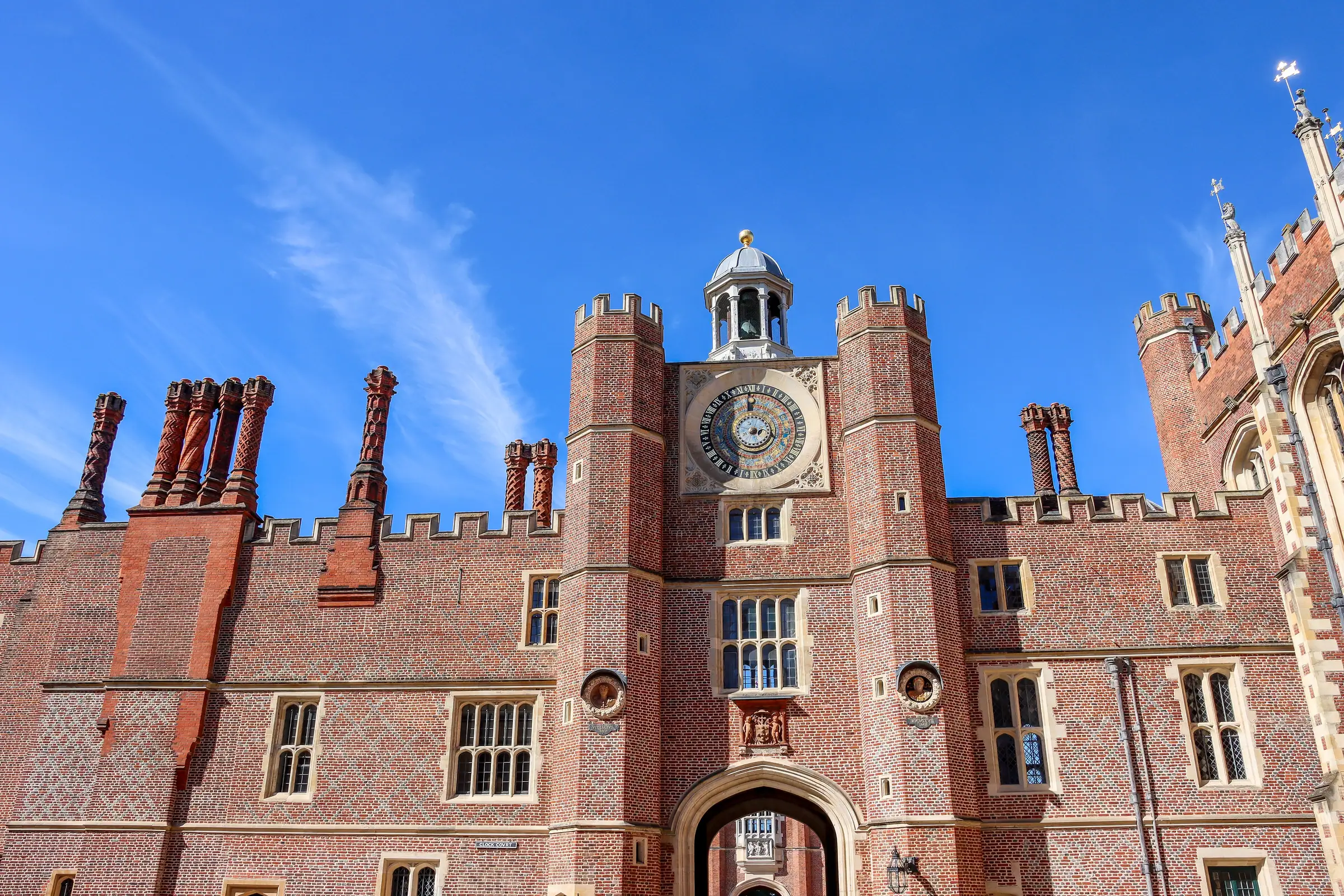
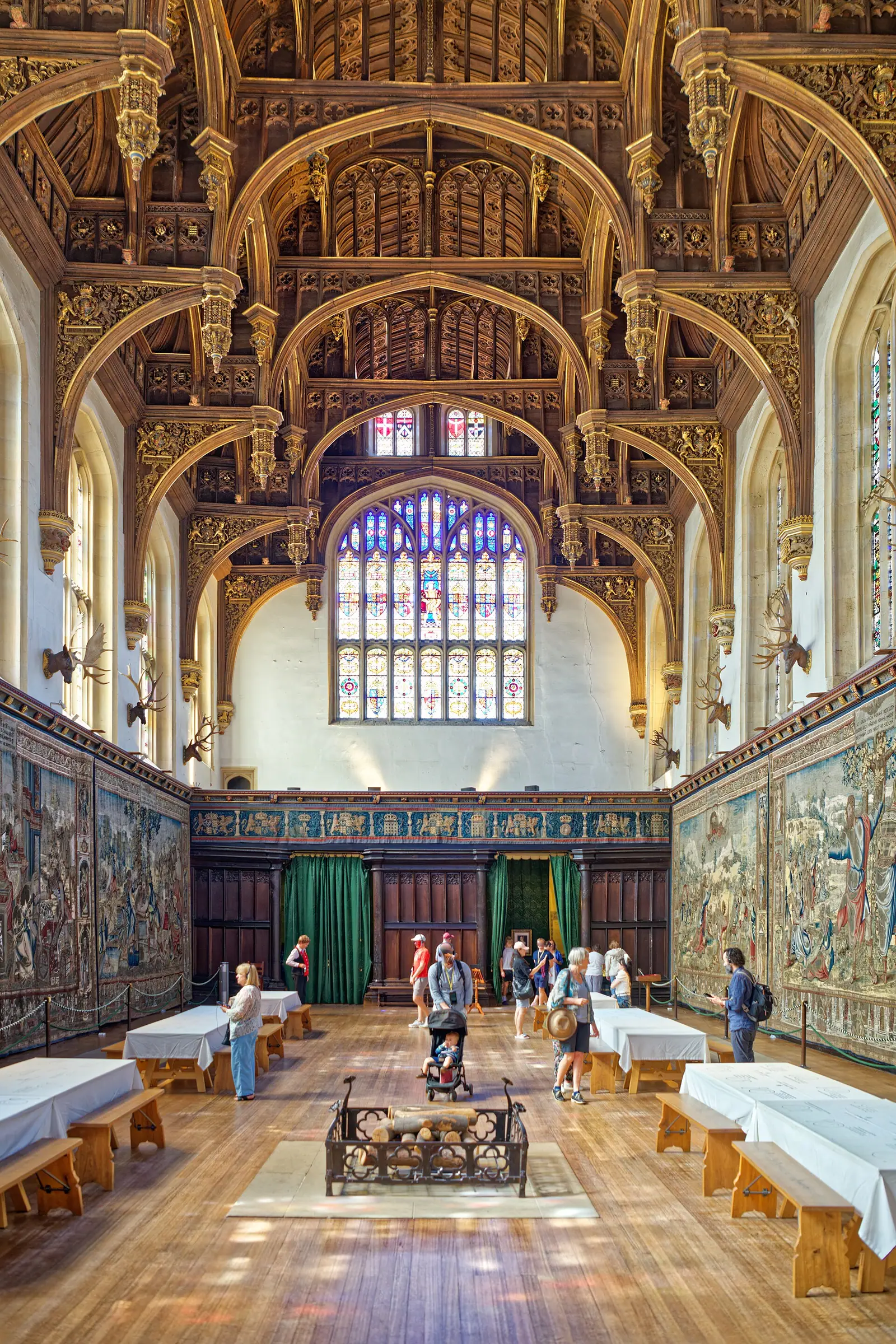
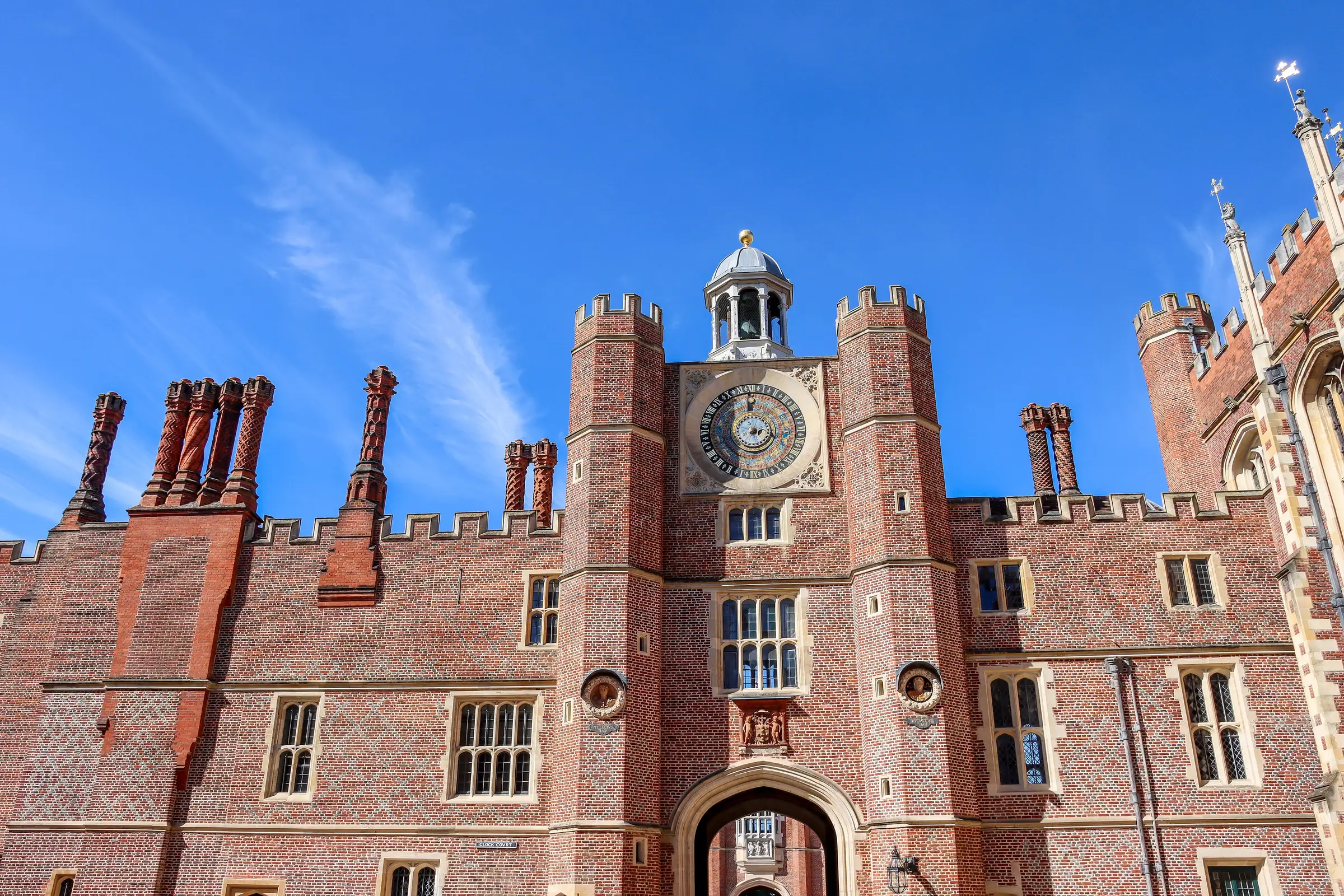
Anne Boleyn left her mark on Hampton Court: Historic Royal Palaces says her falcon badge and initials still survive in the Great Hall, which she and Henry VIII ordered extra candles to finish on time, after the king took the palace from Cardinal Wolsey.
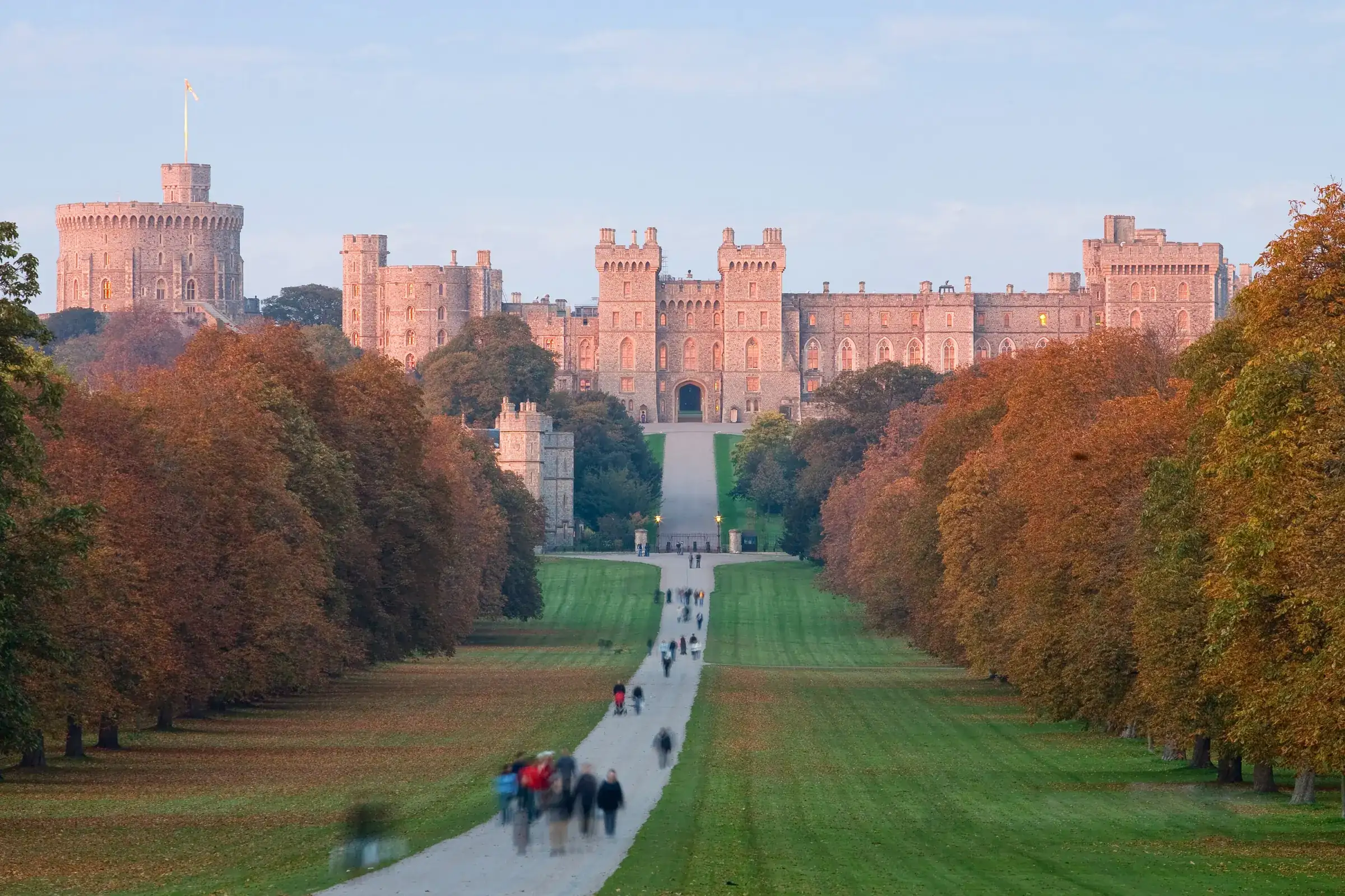
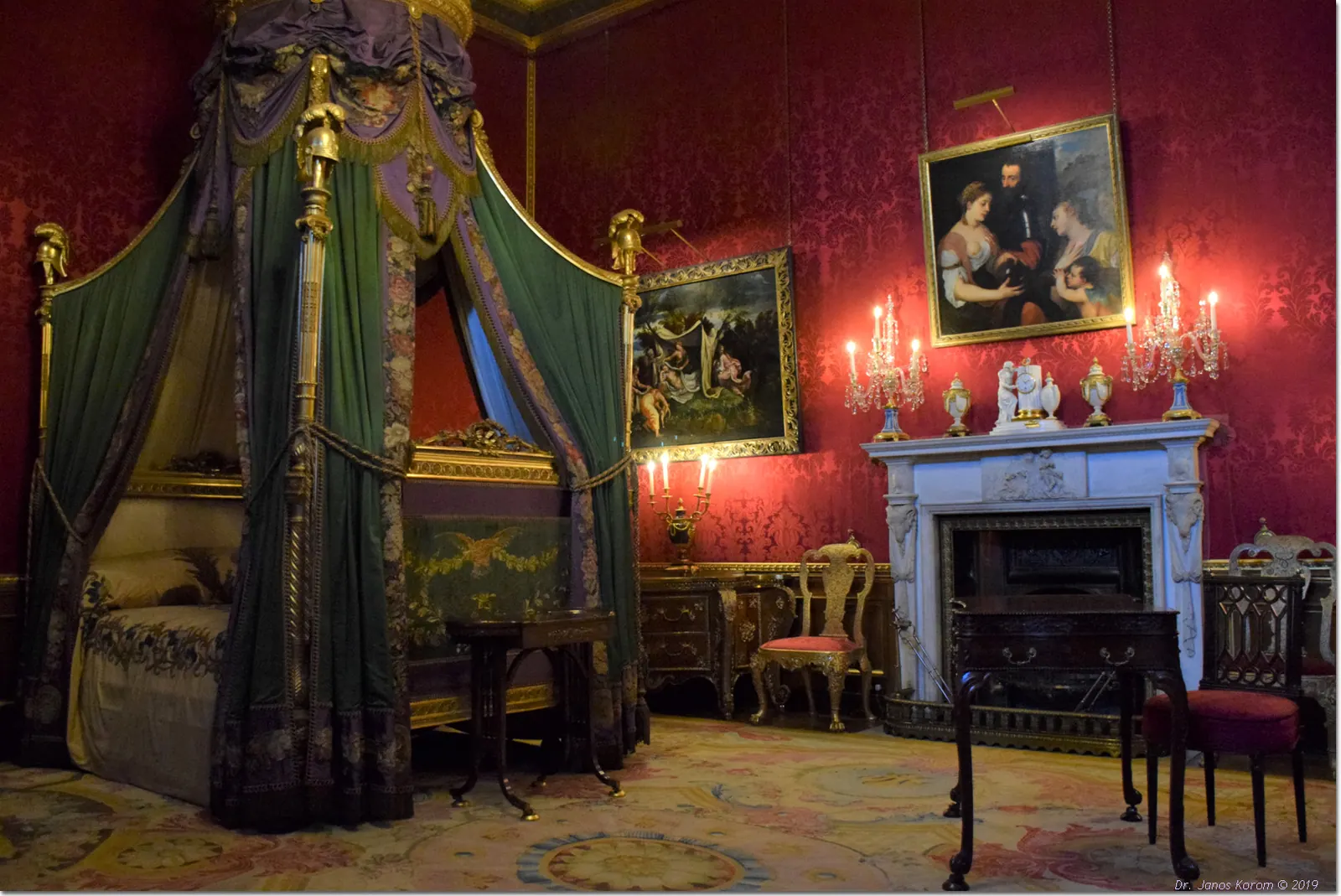
Anne Boleyn was raised to the peerage at Windsor Castle: on Sunday 1 September 1532, Henry VIII made her Marquess of Pembroke there, with a crimson velvet mantle, a coronet and lands worth over £1,000 a year, months before she became queen.
See the State Apartments, the royal rooms of the castle where the king received her.
Check first. Windsor Castle is closed to visitors on some days and can close at short notice; check the Royal Collection Trust page before you choose your day.
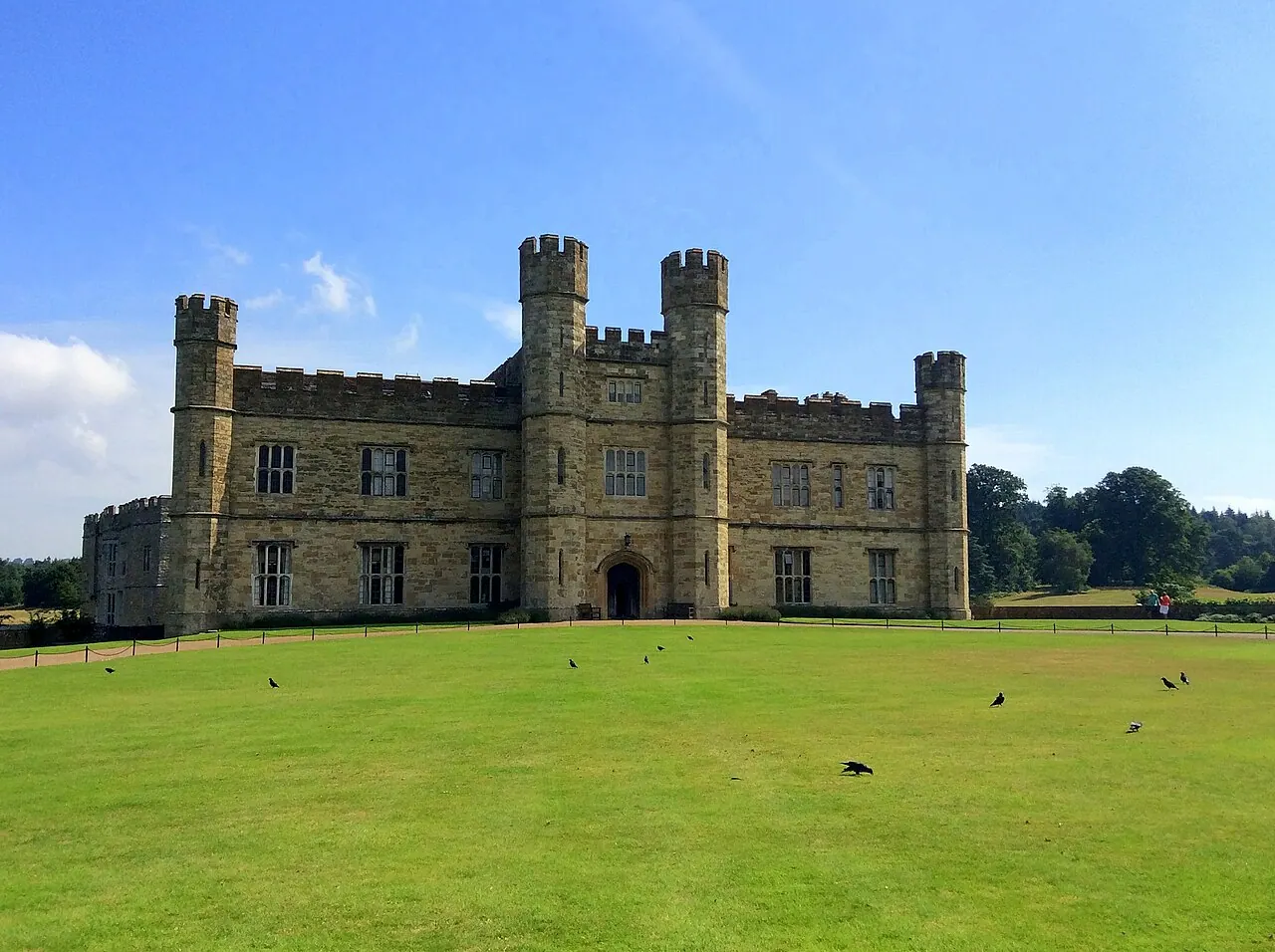
Anne Boleyn joined Katherine of Aragon’s household in 1521, and Leeds Castle is the palace Henry VIII had rebuilt between 1517 and 1523 so that he and Katherine could stay in comfort, the queen’s court that Anne entered before she became queen herself.
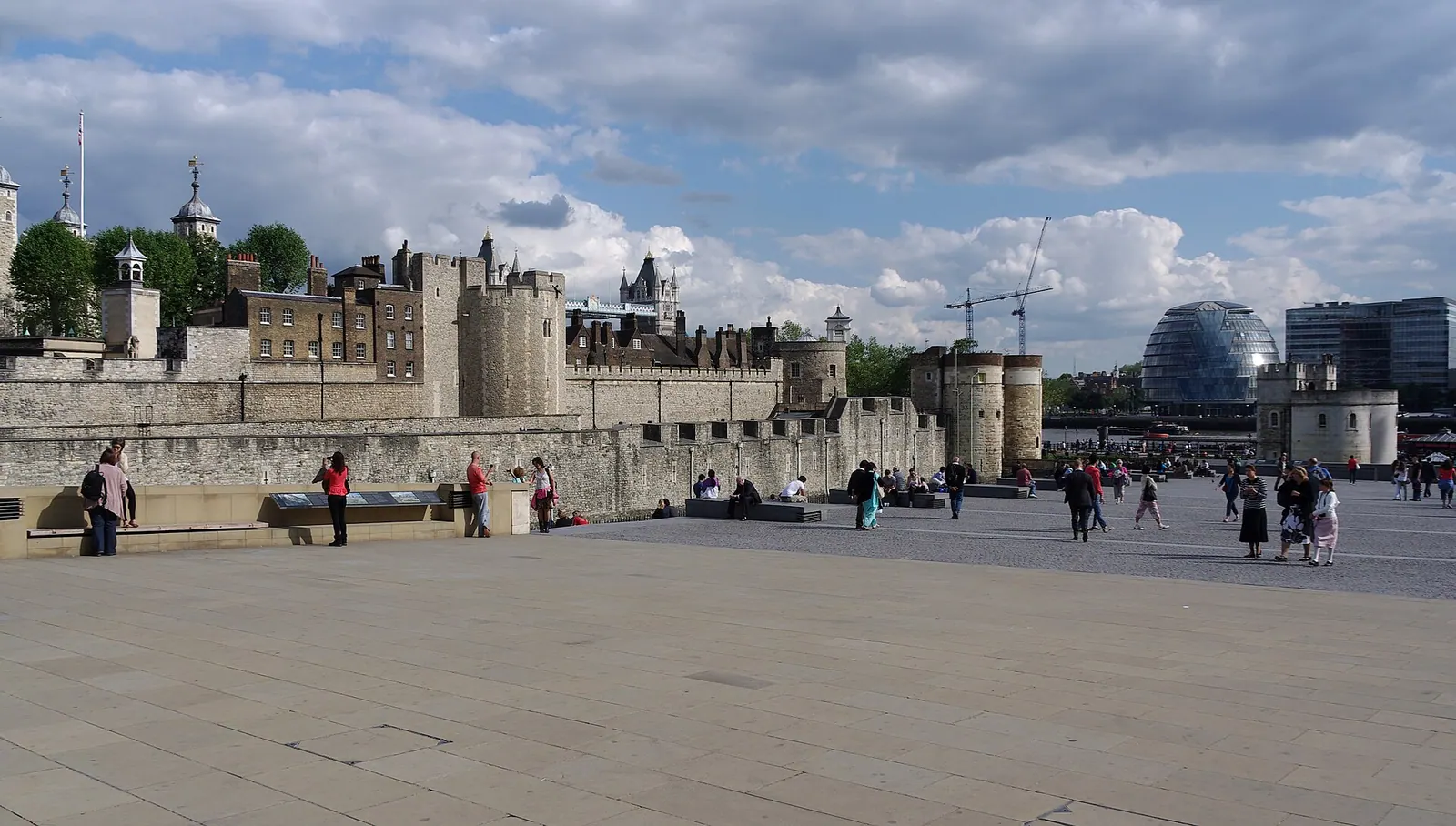
Anne Boleyn died at the Tower of London: she was arrested in May 1536, taken there by barge, and beheaded on Tower Green on 19 May 1536 by a swordsman brought from France. Historic Royal Palaces says she is buried in the Chapel Royal of St Peter ad Vincula, the closest place to her that you can visit today.
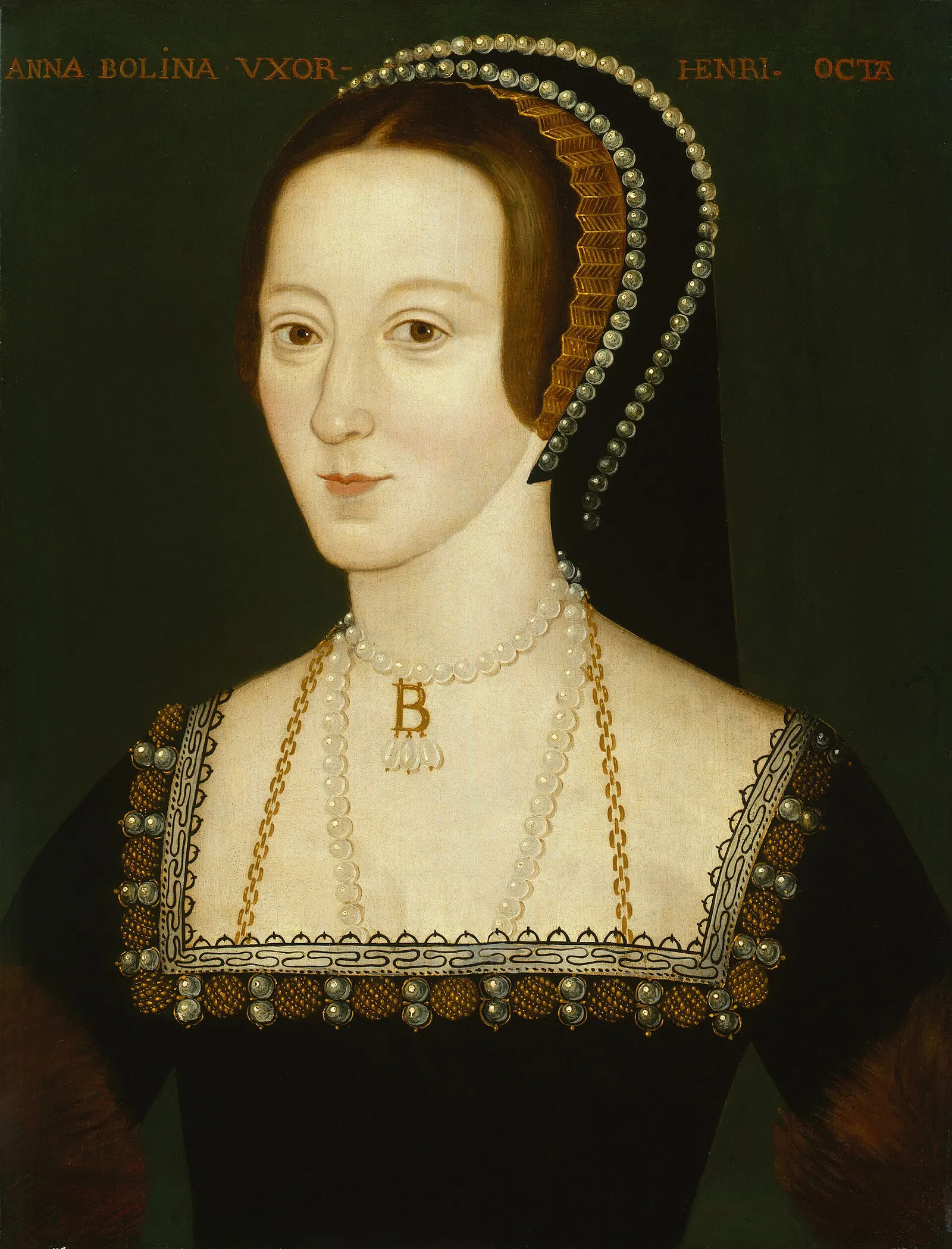
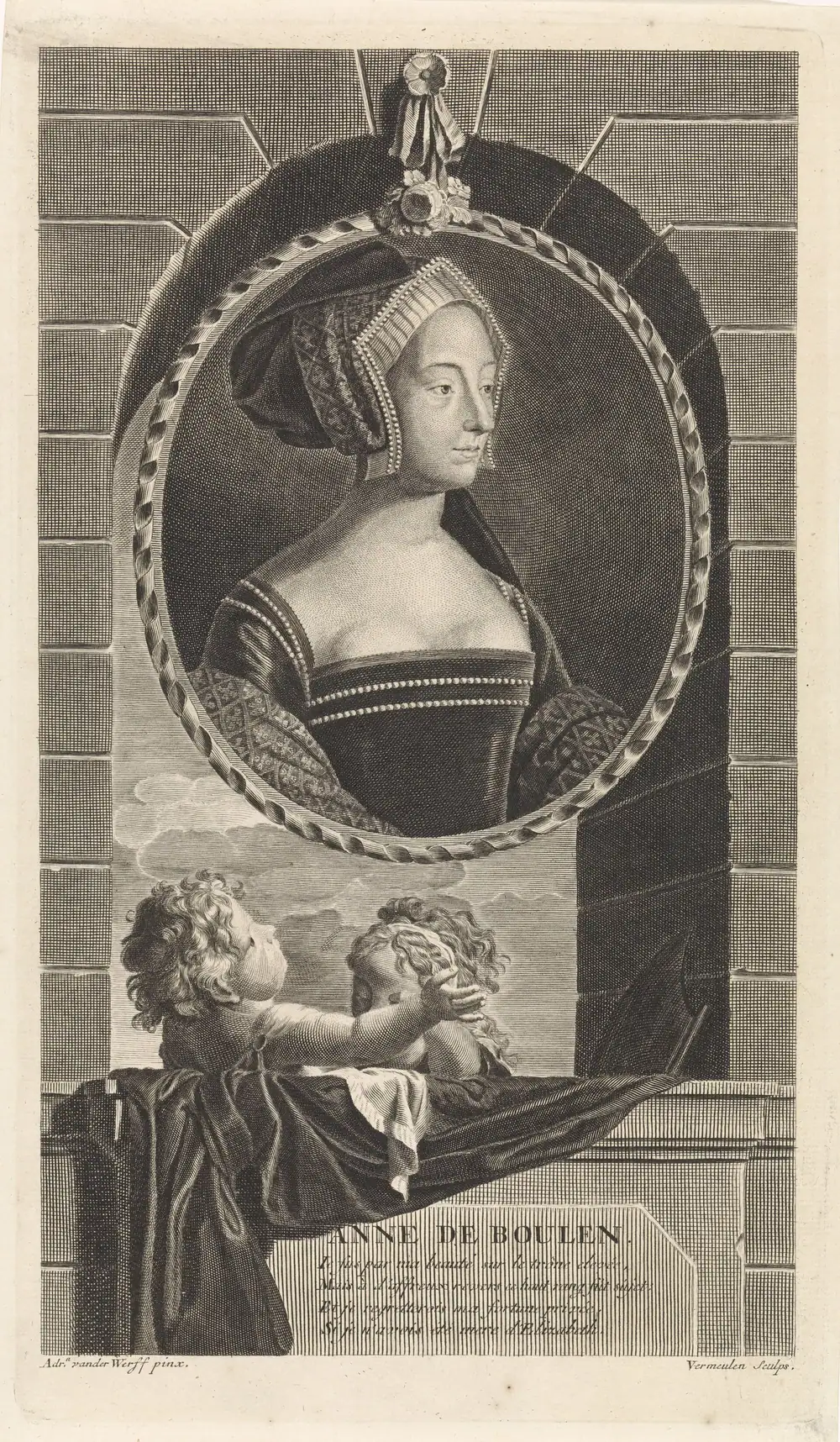
Anne Boleyn was born about 1501 and died in 1536. She grew up partly at Hever Castle in Kent, became Henry VIII’s second wife and queen, and is the mother of Elizabeth I. The places on this trail follow her home, the palaces of her time, and her last days.
1501 to 1505
Born in Norfolk, raised at Hever
Nobody knows the exact year or place of her birth; Hever Castle says probably Blickling Hall in Norfolk, about 1501. Her father, Thomas Boleyn, inherited Hever Castle in Kent, and the family moved there about 1505.
Henry VIII had Leeds Castle rebuilt as a palace for his first queen, Katherine of Aragon, between 1517 and 1523. His court stopped there in 1520 on the way to the Field of Cloth of Gold in France. Anne soon joined Katherine’s household.
Anne planned to marry Henry Percy, but Cardinal Wolsey stopped it on the king’s orders, and she was sent home to Hever. From about 1526 Henry VIII wrote her love letters, and many were sent to Hever.
Wolsey had to give Hampton Court up to the king in 1529. Henry rebuilt it, and Historic Royal Palaces says Anne’s falcon badge and initials still survive in the Great Hall, which she and Henry ordered extra candles to finish on time.
On Sunday 1 September 1532, at Windsor Castle, Henry VIII made Anne Marquess of Pembroke. Two countesses led her to the king, who put a crimson velvet mantle and a coronet on her and gave her lands worth over £1,000 a year.
Anne married Henry VIII in secret at the end of 1532 and publicly the next year. She was crowned in June 1533. In September she gave birth to a daughter, Elizabeth, later Elizabeth I.
Anne was beheaded on Tower Green, inside the Tower of London, on 19 May 1536. She is buried in the Chapel Royal of St Peter ad Vincula at the Tower. Henry married Jane Seymour eleven days later.
Filmed here means a camera was here. These places stood in for Tudor England in films and series about Henry VIII’s court, and each is marked with its source.
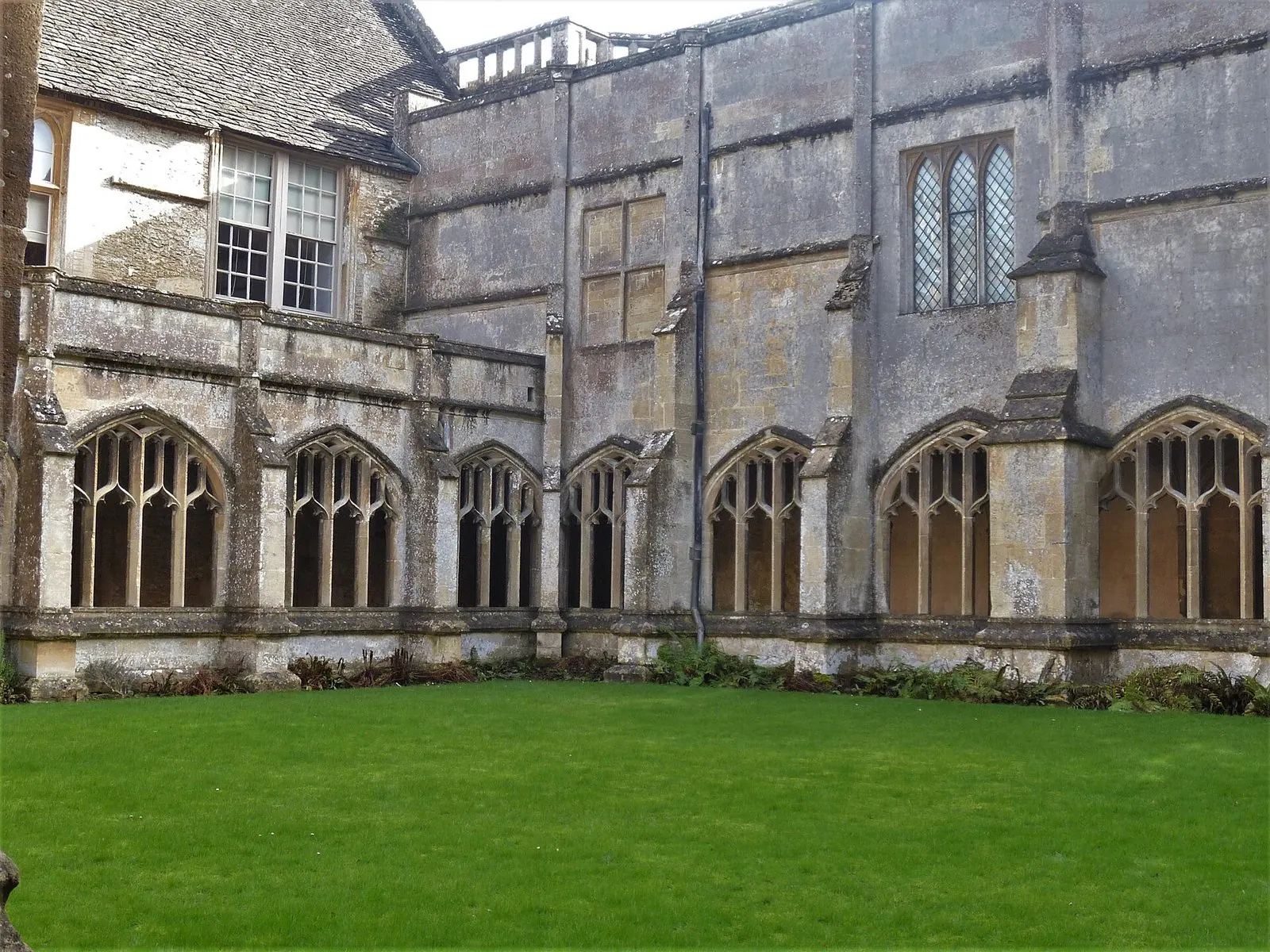
The National Trust says the outside of Lacock Abbey played Wolf Hall, the Seymour family home, in the BBC series. Jane Seymour became Henry’s third wife after Anne.
Historic Royal Palaces lists this series among the productions that filmed in the Tudor courtyards of Hampton Court. These filming spots are included in the palace ticket.
Leeds Castle, rebuilt as a palace for Henry VIII and Katherine of Aragon.
A story to take with you
Where the story begins and ends.
Anne Boleyn’s story starts in a Kent castle and ends inside the Tower of London. Between them sit the palaces of Henry VIII’s court. Leeds, rebuilt for Katherine of Aragon, shows the court Anne joined in 1521, and Hampton Court keeps her badge in its Great Hall.
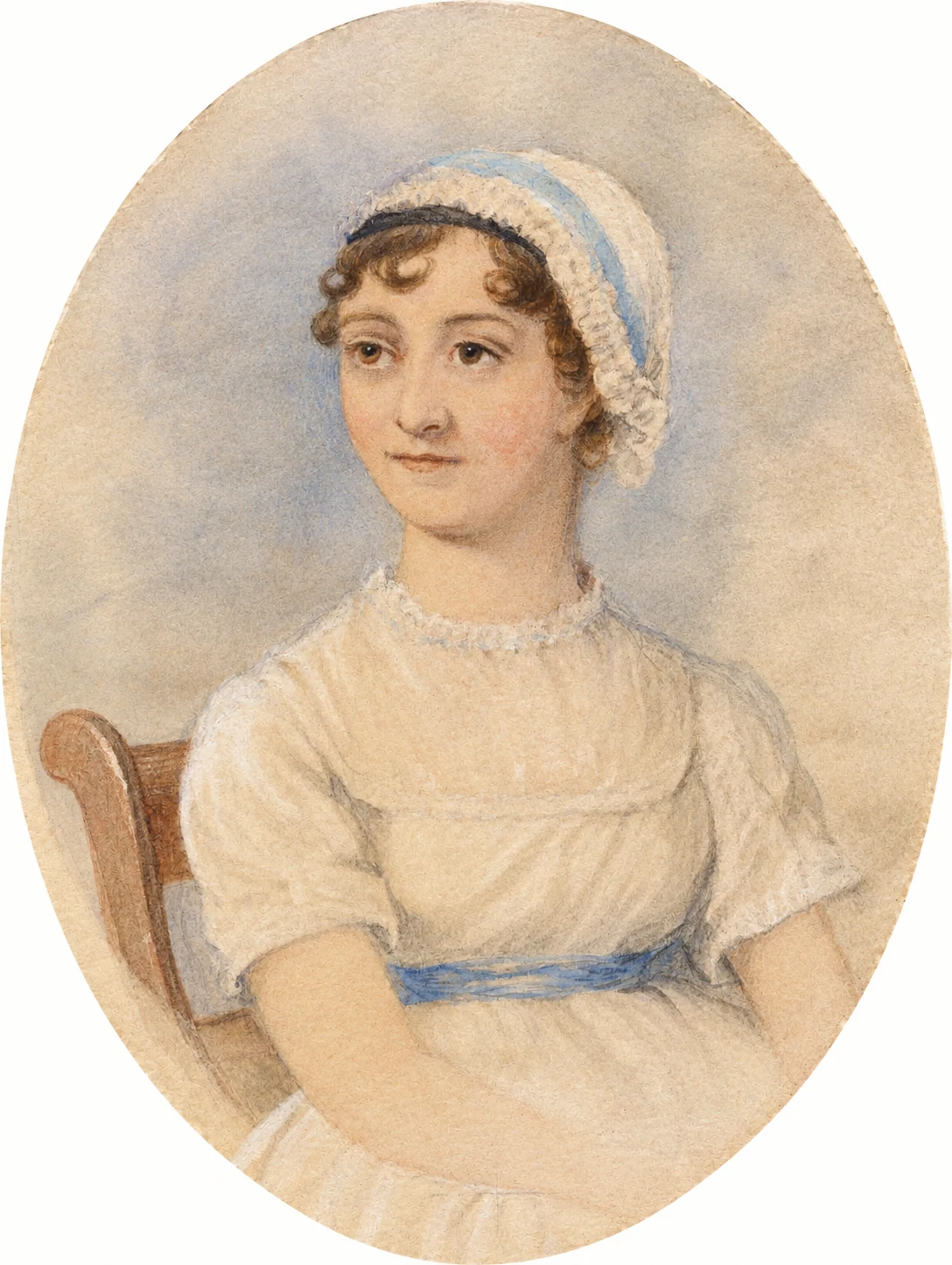
Jane Austen, AI colour portrait. Picture made with AI for this guide (Jane Austen (AI colour version), See Beyond the City, Nov 2026). An illustration, not the original painting: made with ChatGPT image generation from James Andrews' 1869 watercolour (Wikimedia Commons, public domain).
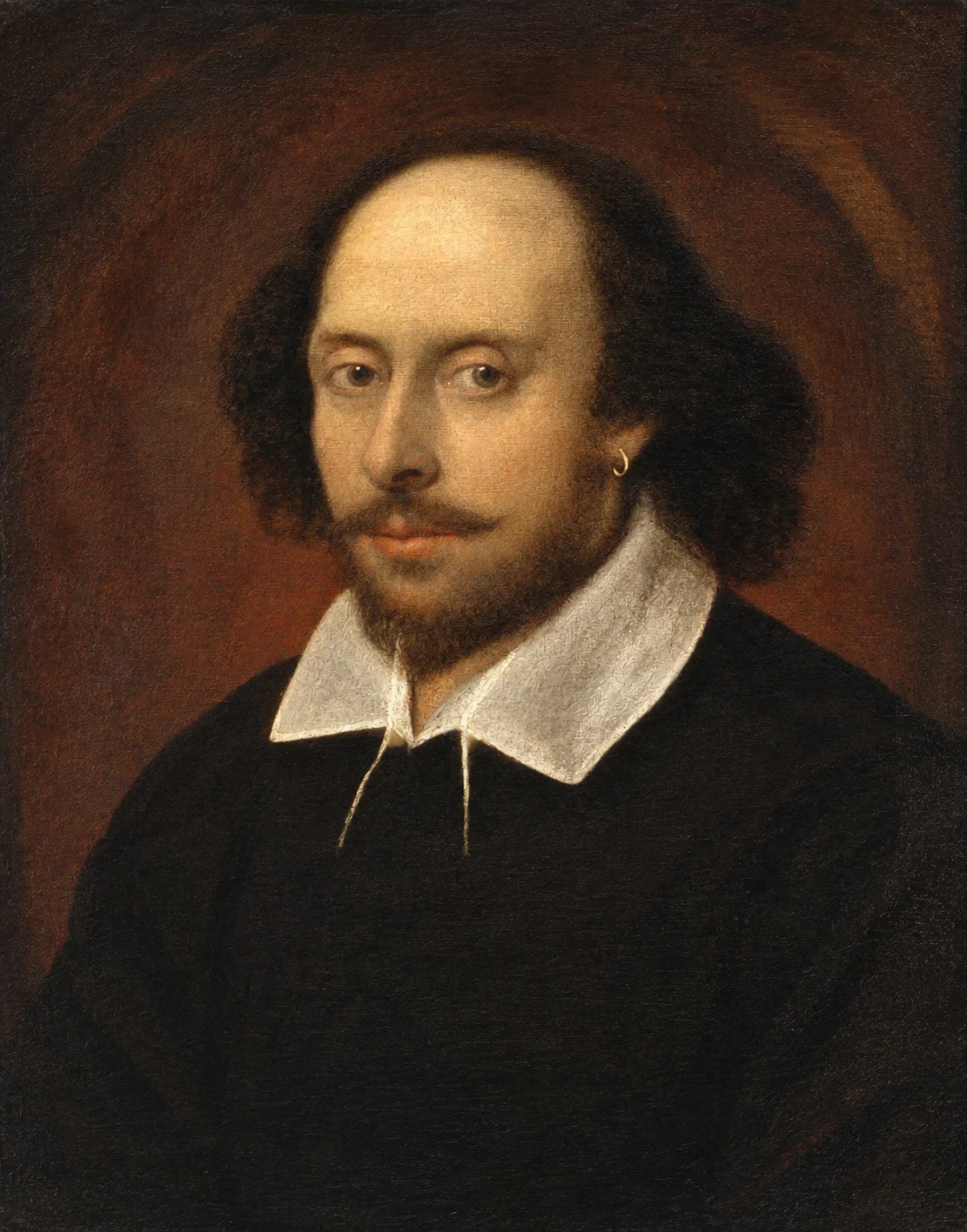
William Shakespeare, AI portrait. Picture made with AI for this guide (William Shakespeare (AI version), See Beyond the City, Nov 2026). An illustration, not the original painting: made with ChatGPT image generation from the Chandos portrait attributed to John Taylor, about 1600–1610 (Wikimedia Commons, public domain).
Tour details are copied from Viator. Booking links earn us commission, at no extra cost to you. Viator handles the booking; each operator provides its tour. This page follows Anne Boleyn across places.