
Castle Combe or Lacock: which village?
Published .
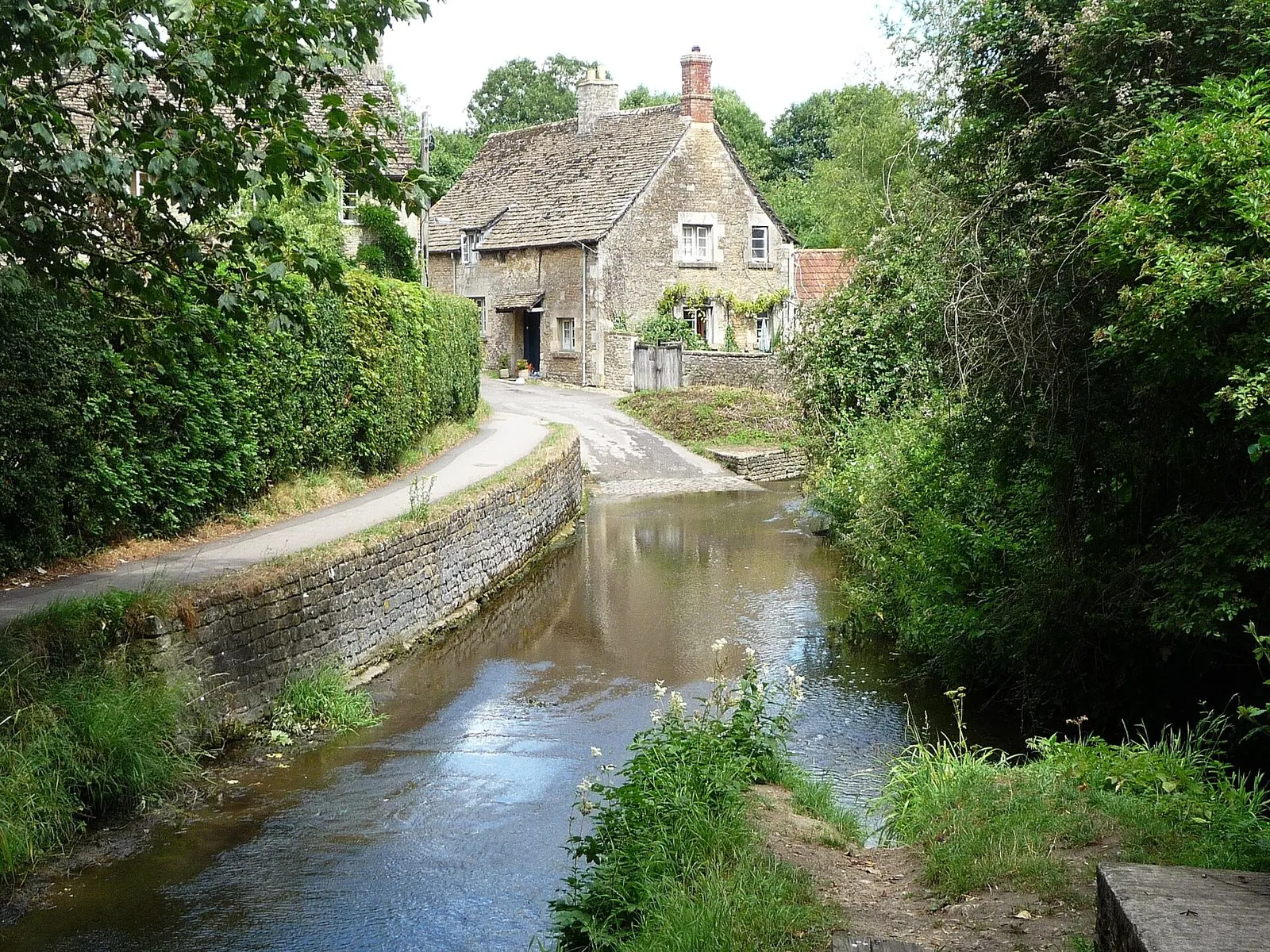
Castle Combe is a tiny village, and the average visit lasts just over an hour. Lacock has four streets, an abbey, a museum, pubs and a bakery. Without a car, Lacock is the simpler of the two. Walk down the small street from the Market Cross to the By Brook in Castle Combe, then along Lacock's four streets of timber-framed cottages.
Our pick for most people is a day bus tour from London. Castle Combe and Lacock sit in our Bath and Stonehenge region, with Bath and Stonehenge, so one day can pair a village with a city or the stones.
- Opening times and tickets: Castle Combe village site (opens in a new tab)
- Opening times and tickets: National Trust Lacock official page (opens in a new tab)
- Opening times and tickets: Visit Bath official site (opens in a new tab)
At a glance
| Dimension | Castle Combe | Lacock |
|---|---|---|
| What it is and what to do | A tiny living village with stone houses, a Market Cross, the By Brook and a 13th-century church. It has no rows of souvenir shops. | A medieval planned town on a grid of four streets, with shops, pubs, a cafe and a bakery. The abbey and the Fox Talbot Museum are the main sights. |
| How long | The average visit lasts just over an hour. | Longer, because there is more to do. |
| Without a car | The nearest station is Chippenham. The village site says it is about a 15-minute taxi ride; book ahead at busy weekends, and book the return too. Walkers can allow 2 to 3 hours for about 5 miles. It calls the public bus limited. | Melksham is 3 miles away and Chippenham 3½ miles. A bus link is listed, so check its page. |
| Films | Doctor Dolittle (1966, Rex Harrison), Stardust (2007), The Wolf Man (2010) and War Horse (2011), named on the village's own site. | Read our article "Lacock film locations: Harry Potter, Austen, Downton Abbey". |
| Toilets and busy times | Public toilets are by the river. It is very busy in summer and on Bank Holidays, and the car park can fill. Go early, or on a weekday. | Toilets are in the abbey courtyard and by the Stables Cafe. Parking is restricted on busy days and Bank Holidays. |
Which suits you?
- You want the one famous street picture
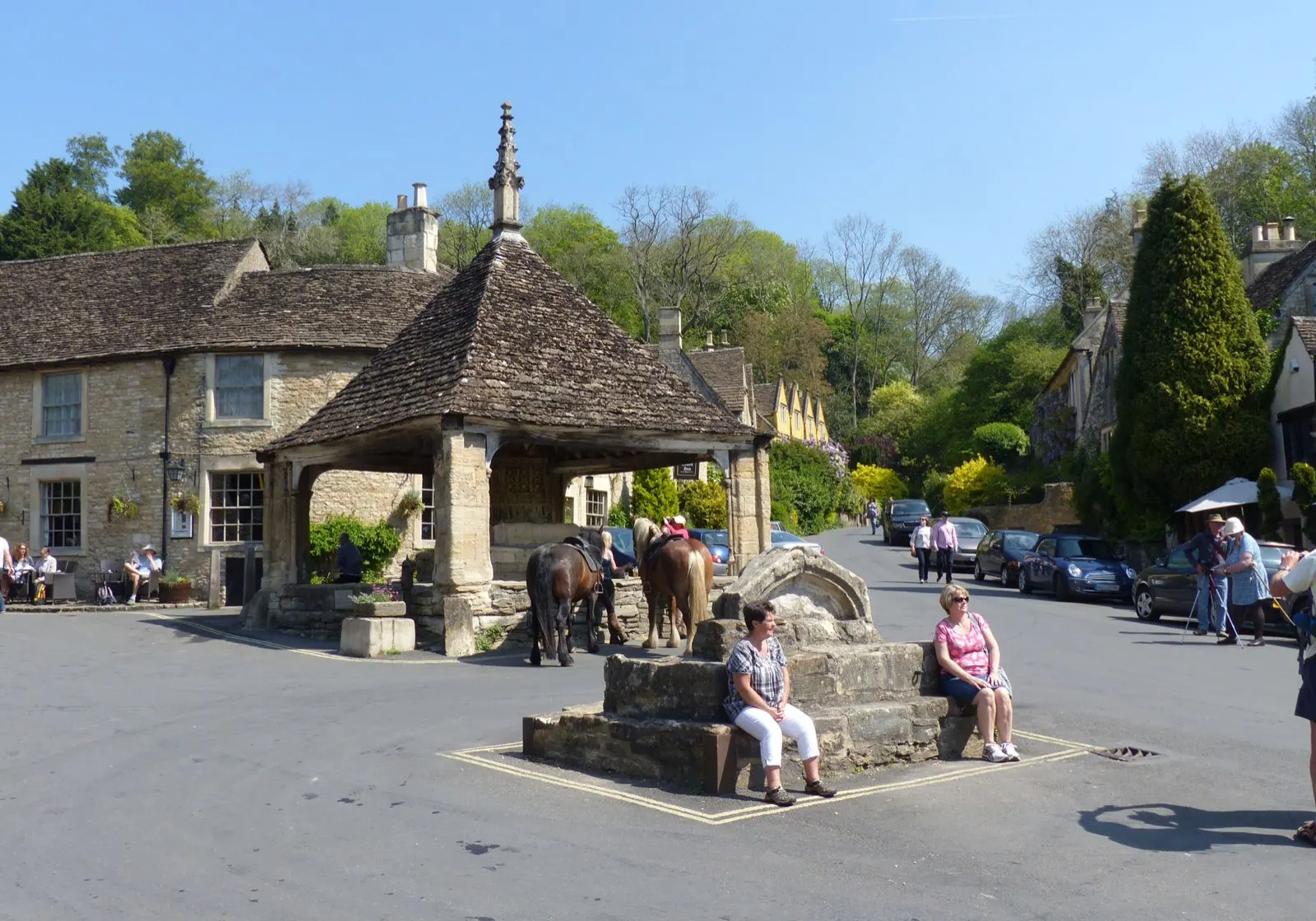
Castle Combe. The village has been called the prettiest in England. Its own site says the street from the Market Cross to the By Brook is as picturesque as ever.
Castle Combe guide → - You want more to do on foot
Lacock. Four streets are full of independent shops and pubs. The abbey has a medieval cloister, and the Fox Talbot Museum tells the history of photography.
Lacock guide → - You love old film magic
Castle Combe, for Doctor Dolittle, Stardust and War Horse. Lacock suits Harry Potter, Pride and Prejudice and Downton Abbey fans. Our Lacock film article has the details.
- You have no car
Lacock. Melksham station is 3 miles away and Chippenham 3½ miles, and a bus link is listed. You should expect to take a taxi from Chippenham station.
Lacock guide →
What you give up, and what you gain.
Castle Combe: the picture, with a short stay
You get the view the village is known for. The village site says it is not typically an all-day place. In return, there is less to do, and the lanes are narrow, often without pavements.
Lacock: more to do, and easier by public transport
You can walk four streets, stop for a bakery or a pub, and add the abbey and museum. The abbey needs a ticket, and its rooms close for a winter clean, so check dates.
If you can only choose one
Pick Castle Combe if the photograph matters most. Pick Lacock if you want a fuller walk and an easier journey without a car. Our pick for most people is a day bus tour from London. Castle Combe and Lacock sit in our Bath and Stonehenge region, with Bath and Stonehenge, so one day can pair a village with a city or the stones.
What could change the answer.
- Opening times, ticket rules, parking charges and bus services change. Check both villages' pages for your day.
- At Lacock, the abbey has steps and uneven floors. Blue Badge parking and an accessible toilet are listed by the National Trust.
- There is no castle to see at Castle Combe. The site has earthworks and a little stonework, in private golf course land the public cannot enter.
Bath and Stonehenge day trips from London
Read next
Free day guide
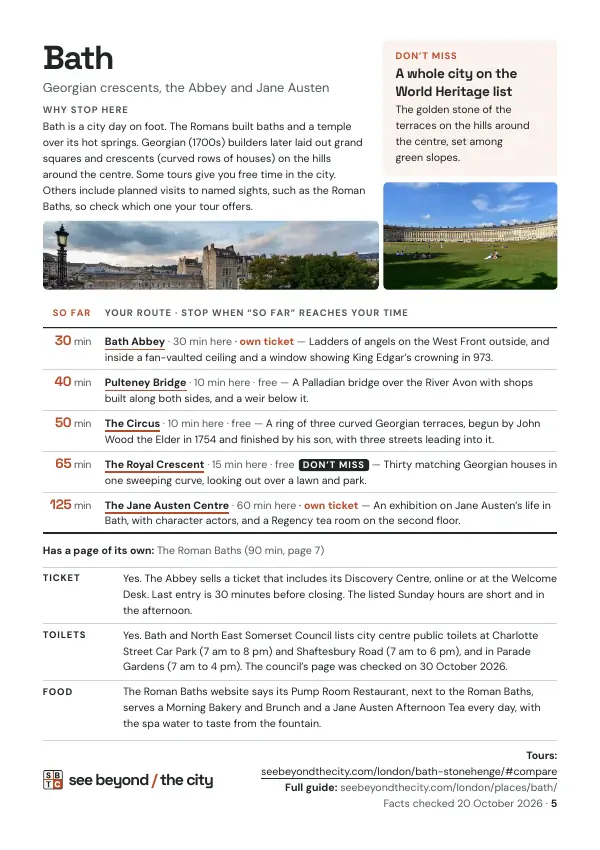
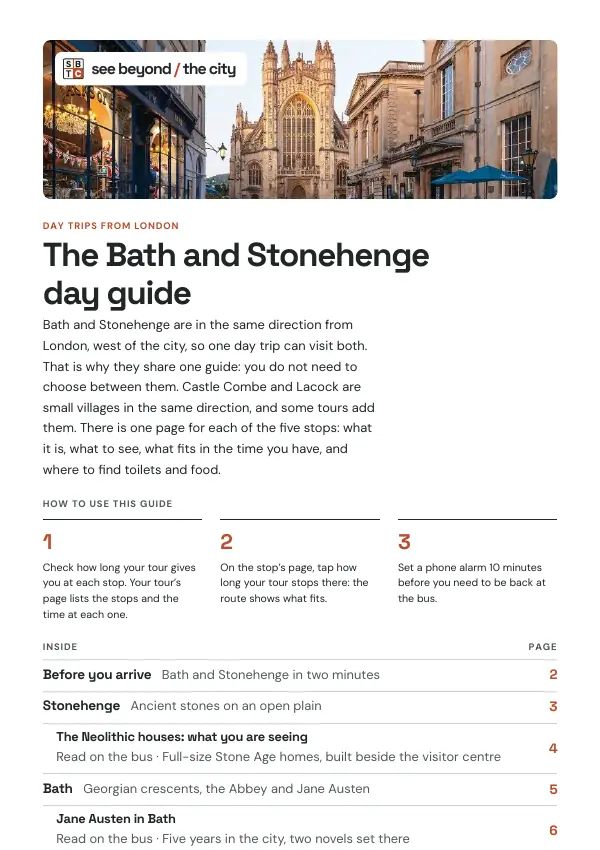
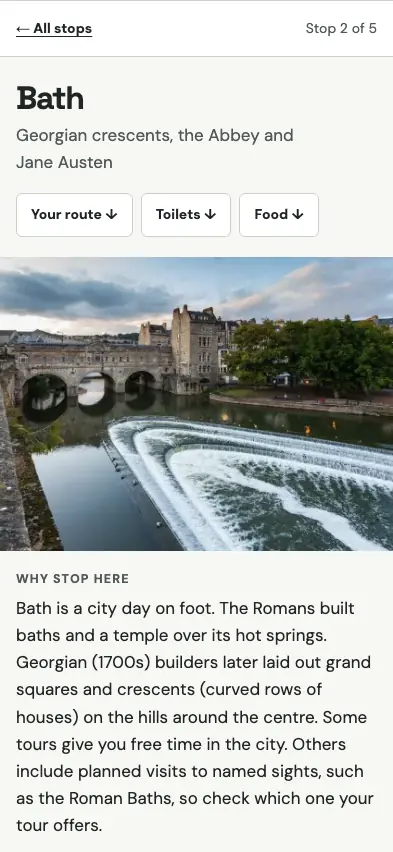
Get the free Bath and Stonehenge day guide
Each stop gets a page of its own in the guide, with what to see in 30, 60 or 90 minutes, and where to find toilets and food.
Check your email
We sent the guide to . Check spam if you don’t see it in a few minutes.
You have the Bath and Stonehenge guide
It is in your email: “Your free day guide from See Beyond the City”.
Next step.
Picture credits and sources
Sources
Checked on 7 November 2026.
- Castle Combe: the village (opens in a new tab)
- Castle Combe: plan your visit (opens in a new tab)
- Castle Combe: visiting without a car (opens in a new tab)
- Castle Combe: facilities (opens in a new tab)
- Castle Combe: filming (opens in a new tab)
- Castle Combe: history (opens in a new tab)
- Castle Combe: village map (opens in a new tab)
- Castle Combe: nearby (opens in a new tab)
- National Trust: Lacock Abbey, village and Fox Talbot Museum (opens in a new tab)
- National Trust: exploring the village at Lacock (opens in a new tab)
- National Trust: eating and shopping at Lacock (opens in a new tab)
- National Trust: Lacock on screen (opens in a new tab)
Pictures
Image sources and credits are listed here. Pictures made with AI are marked.
Tour photographs are provided by the tour operators through Viator and are shown from Viator’s own image servers.
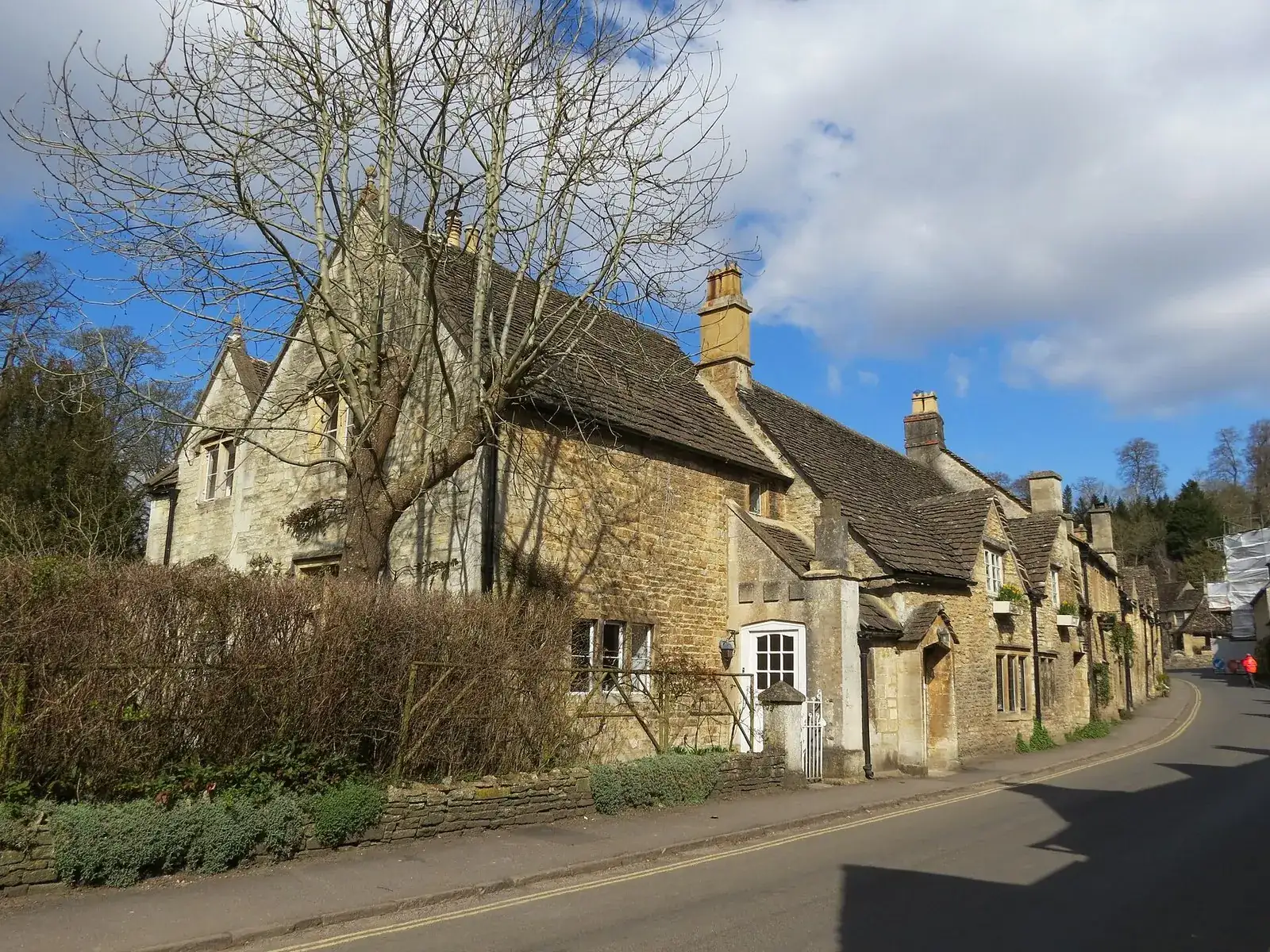
- Photo by Martin Dawes (CC BY-SA 2.0 (opens in a new tab)). See the original photo: A row of honey-coloured stone cottages and a gabled house beside a bare tree and a curving road, under a blue sky with cloud. (opens in a new tab)
- Photo by Adrian Pingstone (Public domain). See the original photo: The roofed medieval market cross in Castle Combe, with stone houses around it (opens in a new tab)
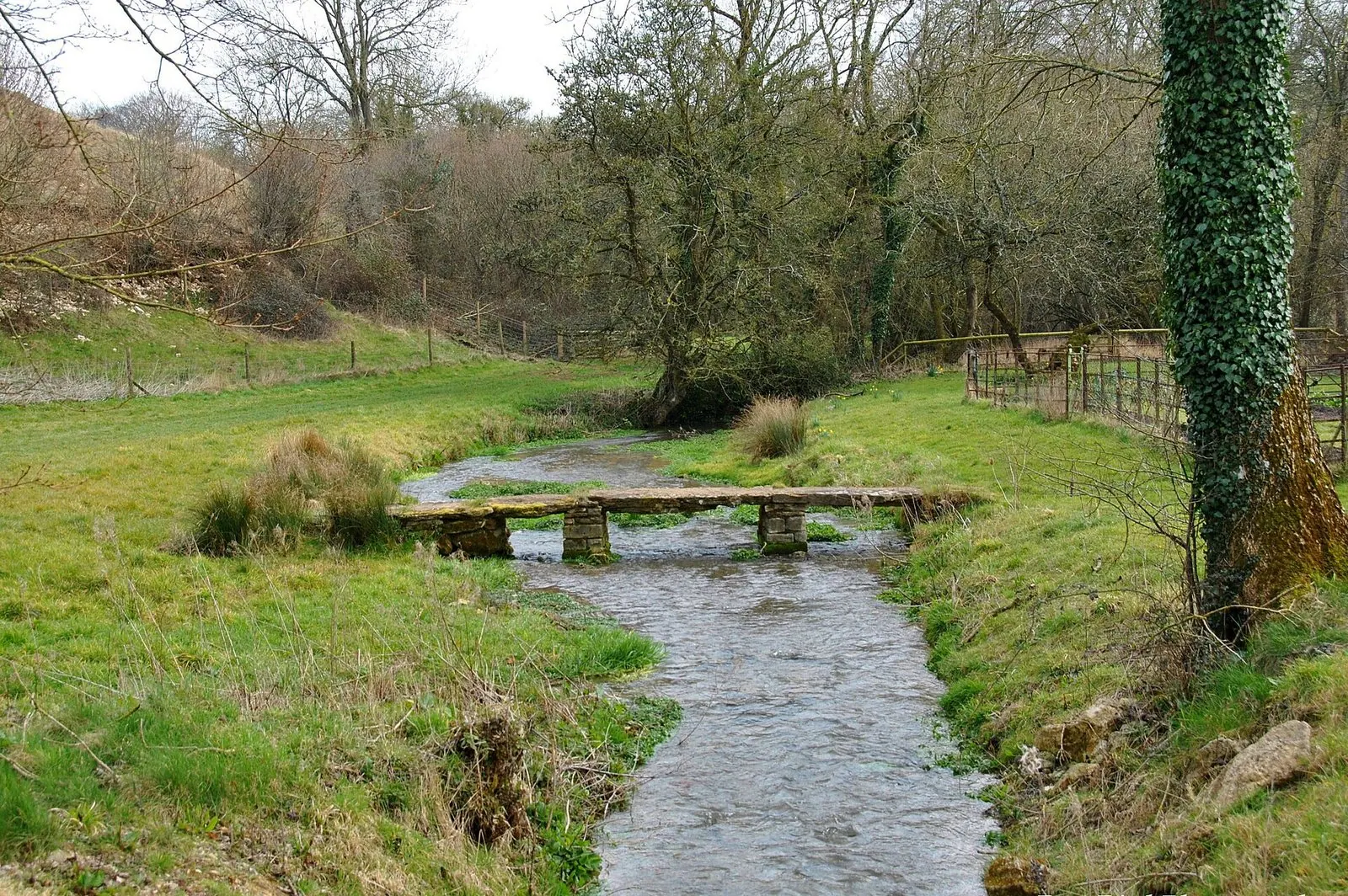
- Photo by Ray Bird (CC BY-SA 2.0 (opens in a new tab)). See the original photo: A flat stone clapper bridge crossing a stream through green grass, with bare winter trees behind. (opens in a new tab)
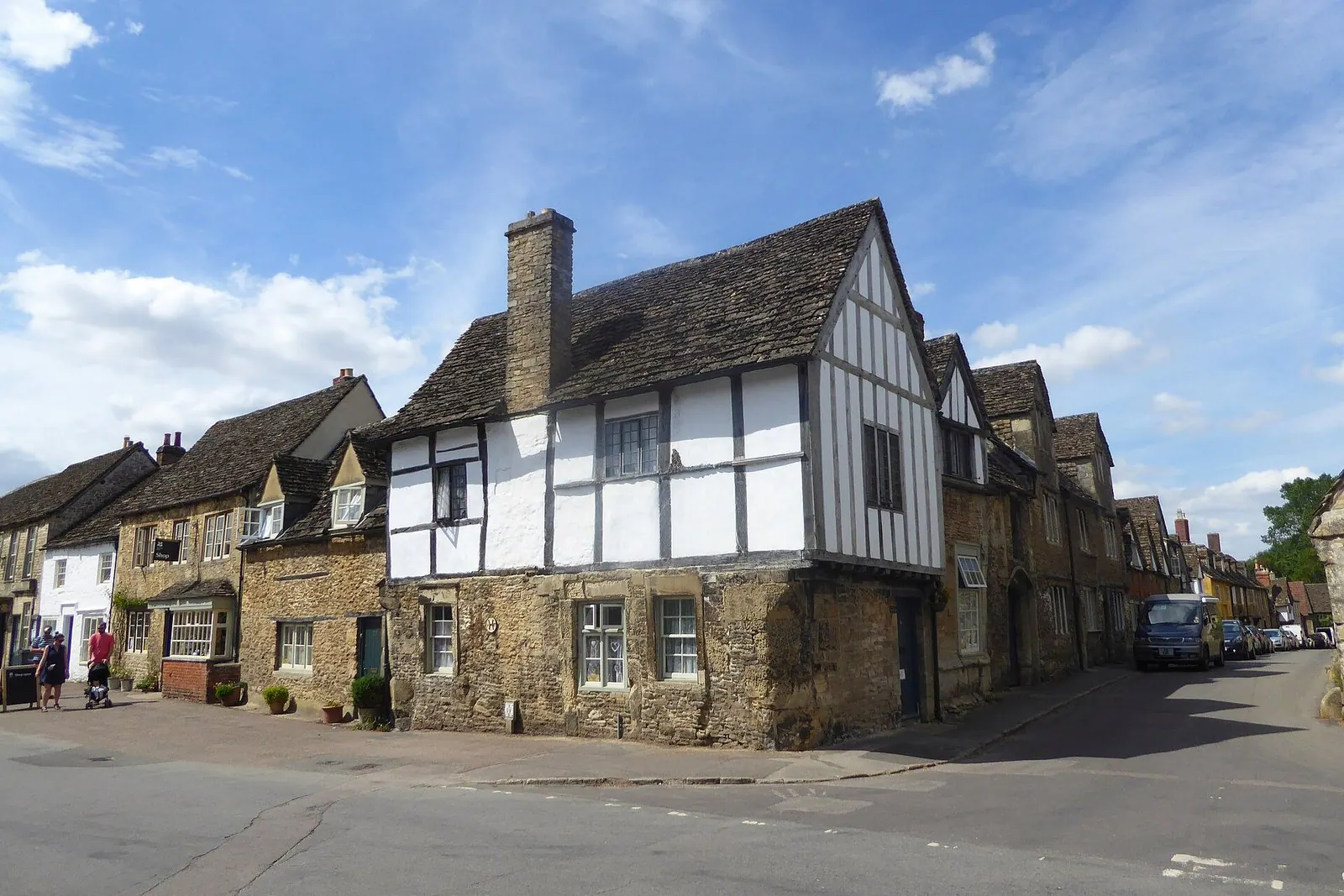
- Photo by Ethan Doyle White (CC BY-SA 4.0 (opens in a new tab)). See the original photo: A half-timbered corner house with white plaster panels and a tall chimney on a quiet village street, with stone houses and a parked van beyond (opens in a new tab)
- Photo by Immanuel Giel (Public domain (opens in a new tab)). See the original photo: A shallow stream running over a paved ford under trees, with an iron railing and post beside the footpath on the left and green banks on both sides (opens in a new tab)