The real England, in one easy day from London
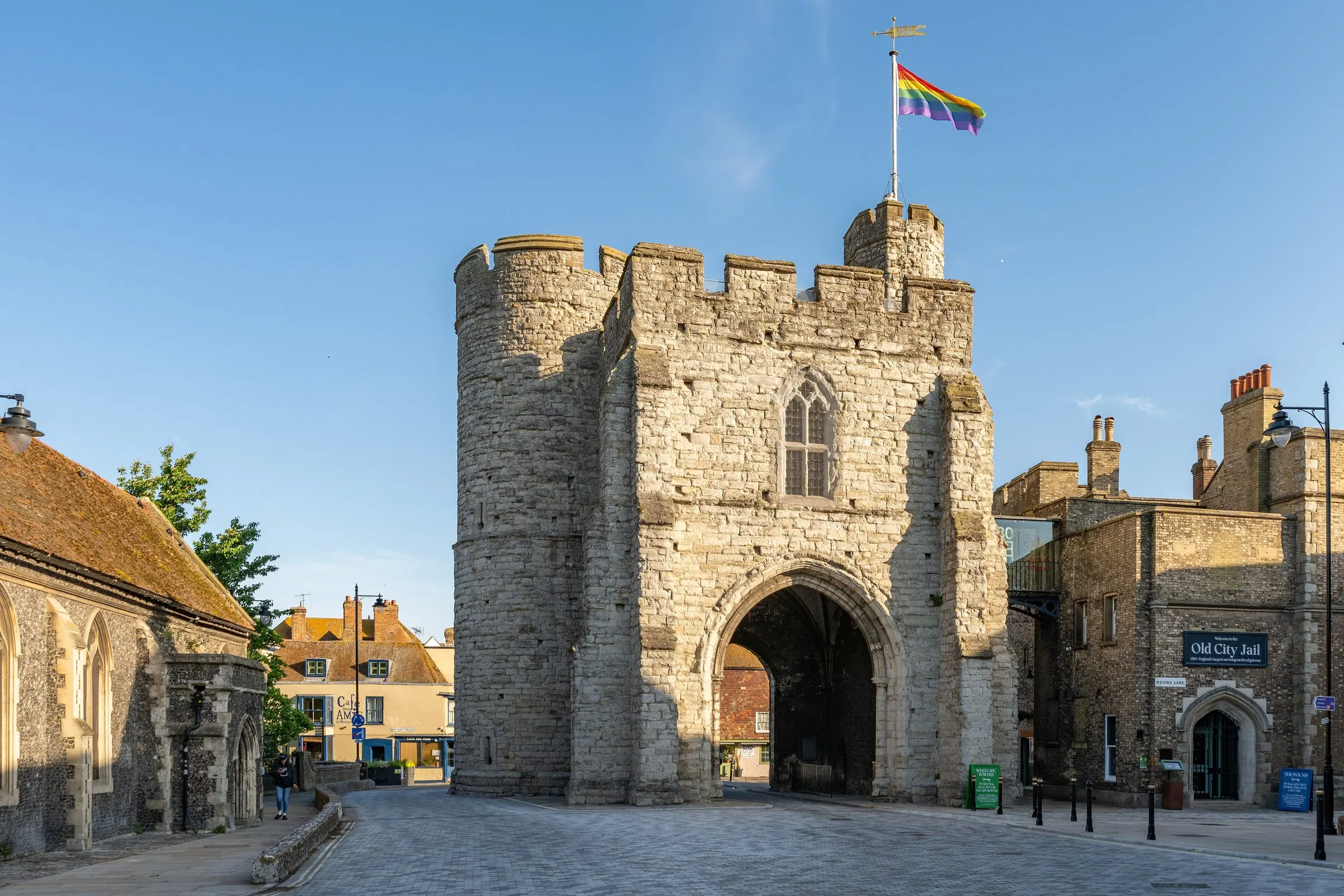
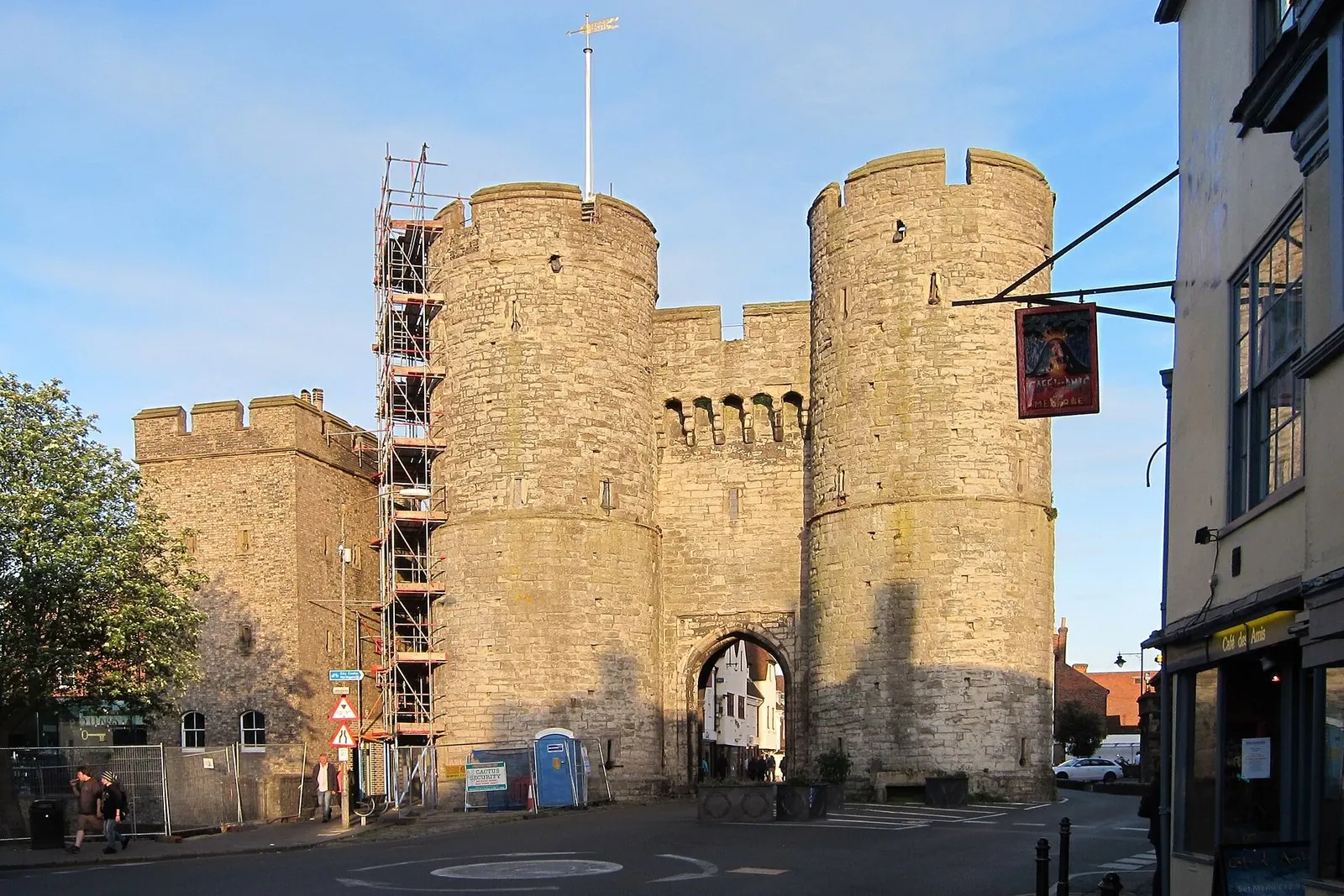
The sunlit stone Westgate in Canterbury seen from the north, with its pointed arch, battlements and a flag, under a clear blue sky.

A walkable historic city

Canterbury

East Kent, on the River Stour · a day trip from London

See how long each tour stops in Canterbury →

Why it matters

Why Canterbury matters.

Canterbury has more than 2,000 years of history. Romans, medieval builders and refugee weavers all left their mark here. This is what to look for in the streets, by the river and just outside the old walls. The cathedral has its own guide.

Two round stone towers and a central arched gateway glowing in warm sun, with scaffolding on one side, a pub sign, fencing and shopfronts around the base.

01

A city gate built against invasion

The Westgate Towers is the largest medieval city gate still standing in England.

Work on the gate began in 1379, when people feared that France would invade during the Hundred Years' War. Archbishop Simon Sudbury helped to pay for it. It was the first gate in England built with gun loops, small openings in the wall for firing guns. Until the 16th century, people crossed the river to it by a drawbridge. From 1453 the gate was also the city's prison. Today it holds a small museum, and you can climb to the roof for a view over the city.

Look for

The small openings for guns in the round towers, and the stone bridge over the river in front of the gate. Inside, the only way up is a narrow staircase of five flights.
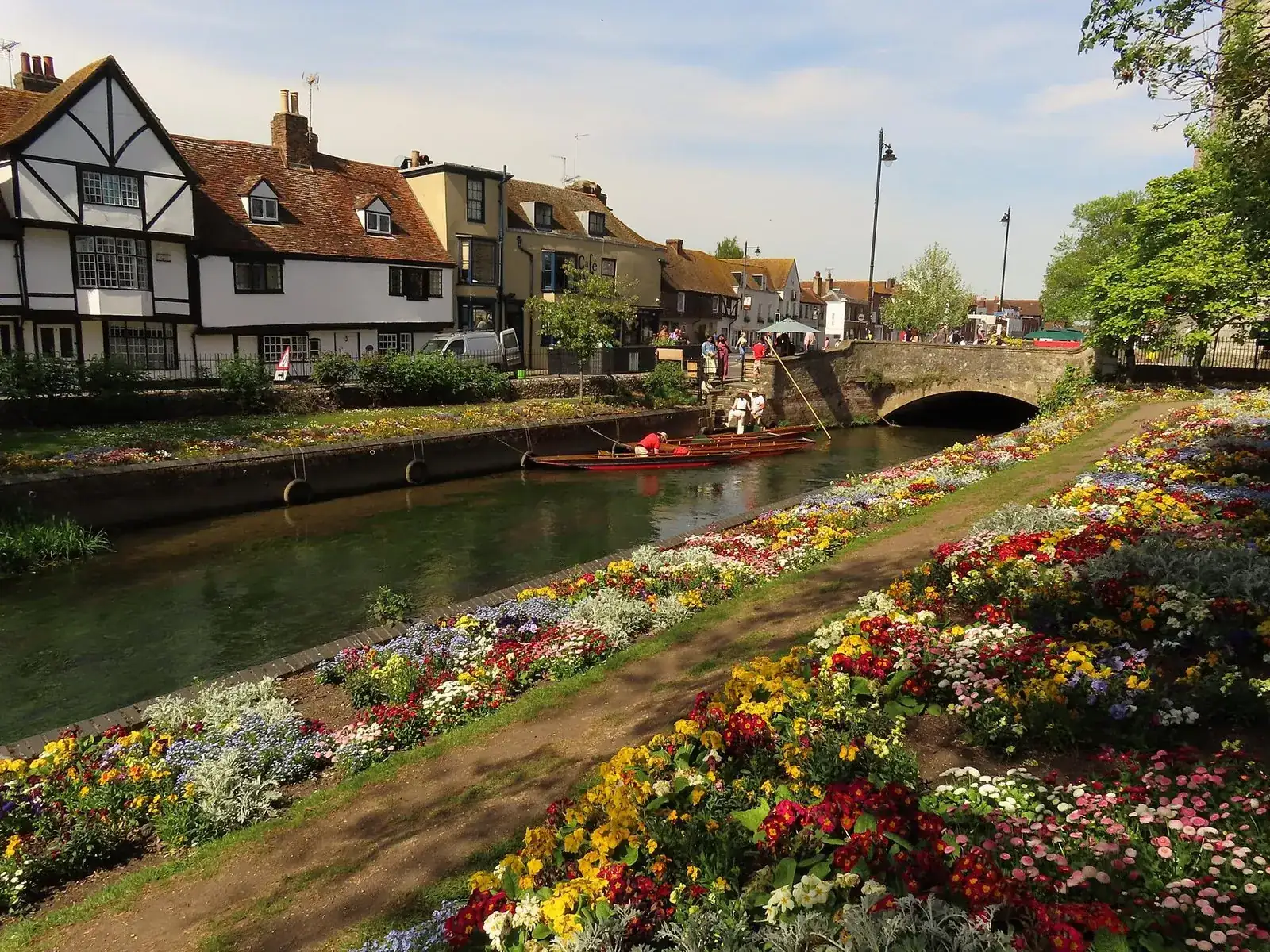
Brightly planted flower beds slope down to a river where a punt glides past, with timber-framed houses, a stone bridge and a lamp post beyond.

02

A river beside the old streets

Westgate Gardens is a public park on the River Stour, right beside the Westgate Towers.

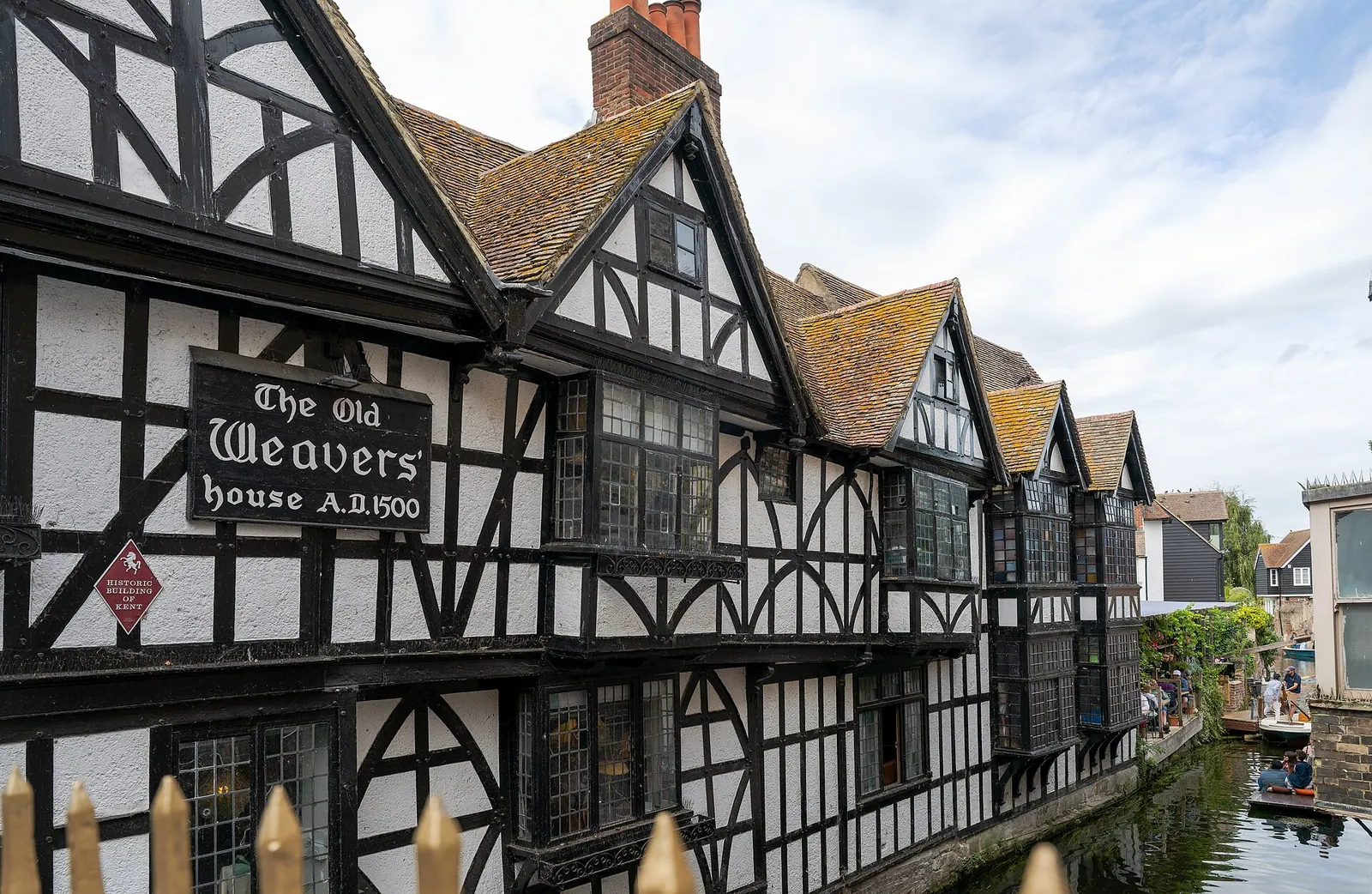
The gardens have lawns, flower beds along the river and a small physic garden (a garden of plants used as medicine). There is also an Oriental plane tree more than 200 years old. From mid-March to the end of October, weather permitting, guides take visitors along the river in punts (flat boats pushed with a long pole). They tell visitors about the city's past. In the 16th and 17th centuries, refugees from France and the Low Countries settled in Canterbury, and many were skilled weavers. The Old Weavers' House on St Peter's Street held a weaving school until 1914.

Look for

The old plane tree with its huge trunk, the punts on the water, and the timber-framed Old Weavers' House on St Peter's Street.

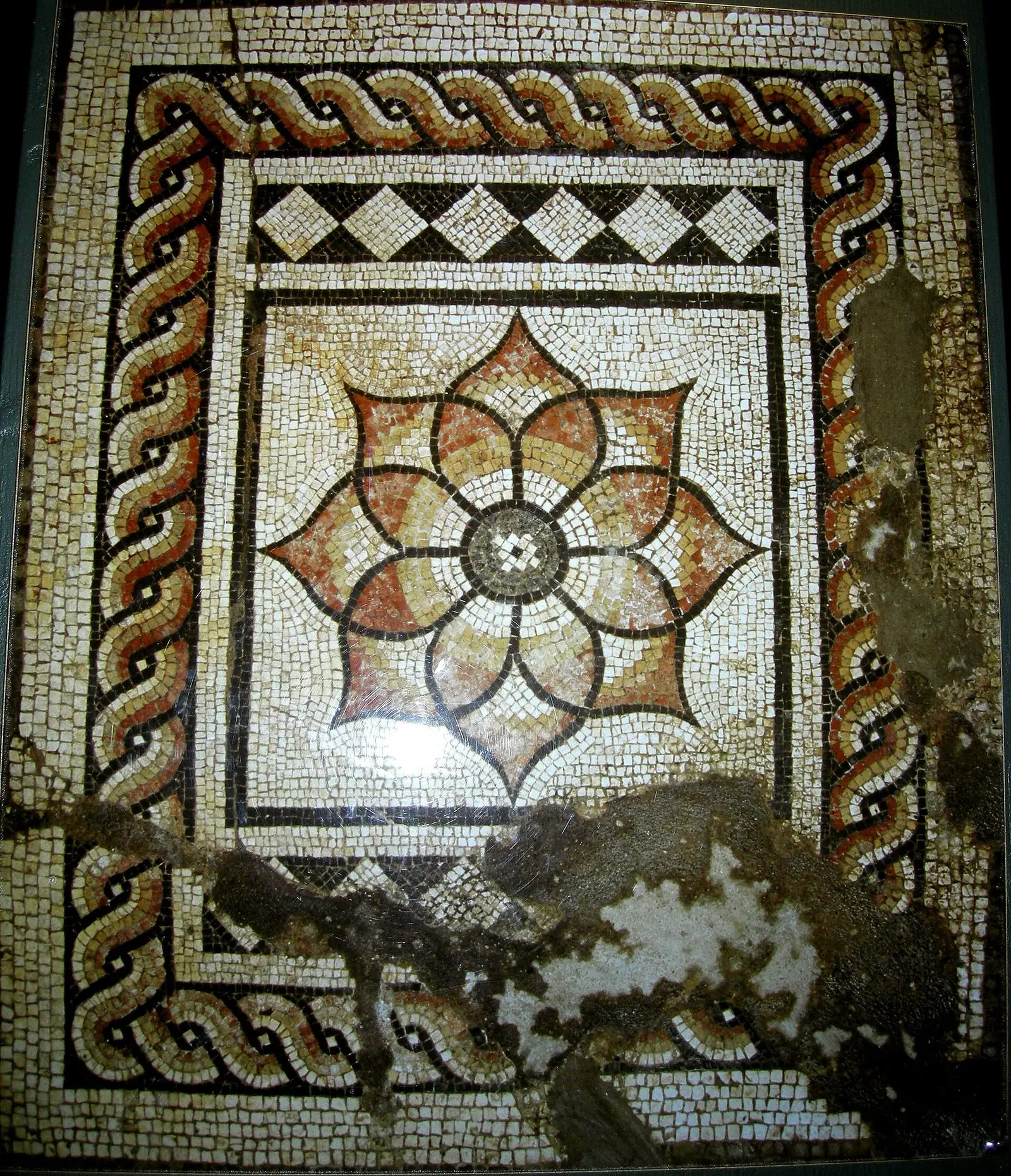
A Roman mosaic floor with an eight-petalled flower in red, brown and white at centre, surrounded by a woven rope border and zigzag edging.

03

A Roman house found after the bombs

Under Butchery Lane, in the middle of the city, lies the floor of a large Roman house.

On 1 June 1942, German bombers attacked Canterbury, and about a fifth of the city was destroyed. When the ruins near Butchery Lane were cleared, workers found a Roman floor made of mosaic, tiny pieces of coloured stone and tile. Archaeologists dug here in 1945 and 1946, and again from 1958. They found a large, costly town house with wall paintings and heating under the floor. It stood from the late first century AD until about AD 270. The Canterbury Roman Museum is built around it, and the mosaic is still where the Romans laid it.

Look for

The flower patterns and woven borders in the mosaic. The floor was laid flat, but the ground has moved over the centuries, so today it rises and falls in waves.

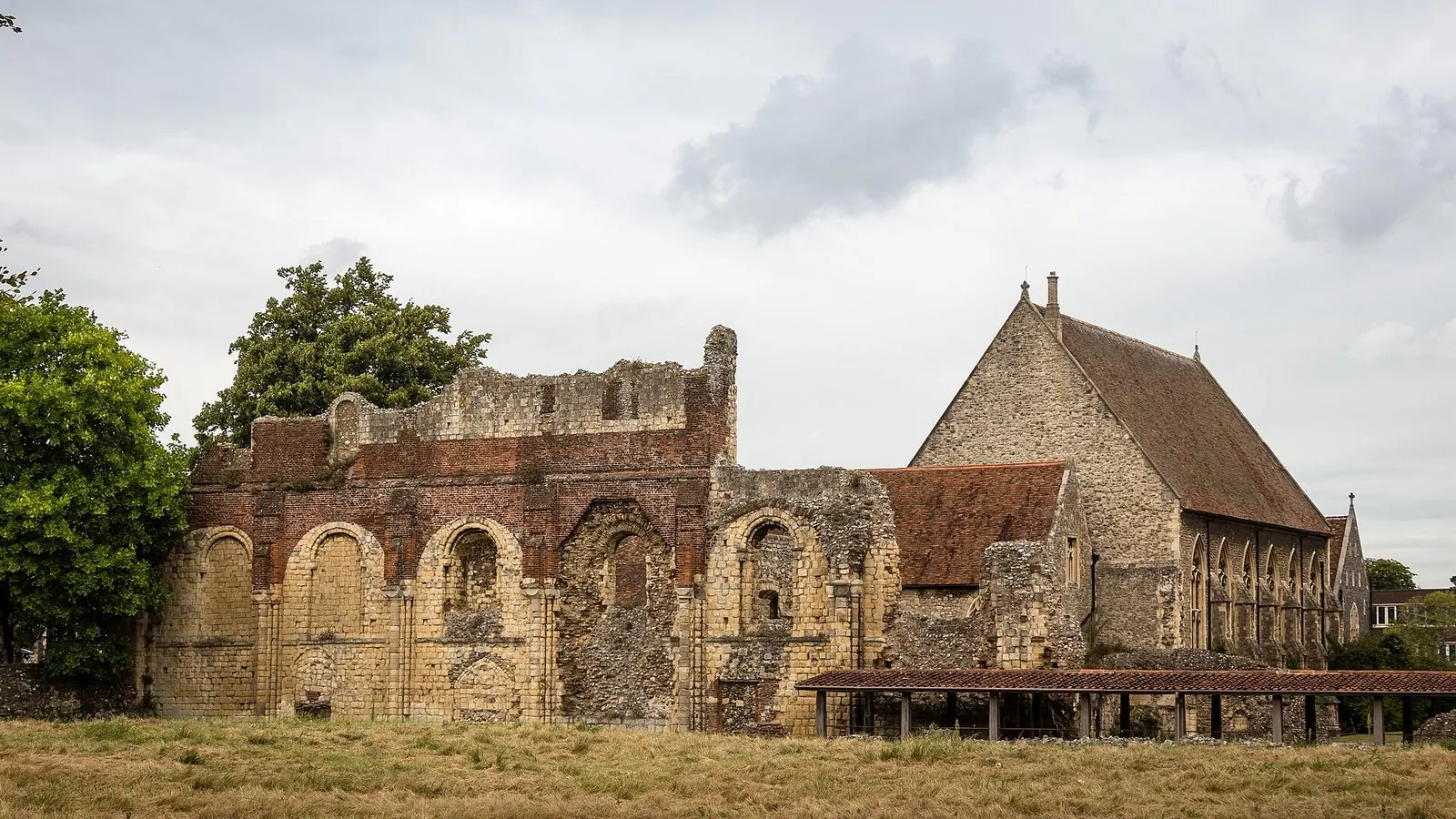
The ruined walls of St Augustine's Abbey in Canterbury, with rows of round stone arches topped by red brick, beside a tall stone hall with a red-tiled roof, seen across

04

A new start for Christianity in England

Just outside the old city walls, a small church and the ruins of an abbey tell how Christianity came back to southern England.

In the 6th century, Queen Bertha of Kent was a Christian, and she prayed at the small church of St Martin. In 597 AD, Augustine arrived from Rome with his companions. They worshipped at St Martin's until King Ethelbert gave them land. Shortly after 597, Augustine founded an abbey there, first as a burial place for the Anglo-Saxon kings of Kent. In the Middle Ages it became one of the most important religious houses in northern Europe; today it is a ruin. St Martin's is said to be the oldest church in the English-speaking world still in use. The church, the abbey and the cathedral together are a World Heritage Site.

Look for

At the abbey, the ruined walls and round arches standing in the grass. At St Martin's, the old walls, which are part Roman, Saxon, Norman and medieval.

Your time there

What to see.

These are the highlights worth looking out for, if your time allows. See how long each tour stops in Canterbury →

The old city is small enough to walk, with gardens, museums and medieval buildings close together. Most of it can be reached on foot from the centre.

Inside Canterbury, with a guide of its own: Canterbury Cathedral.

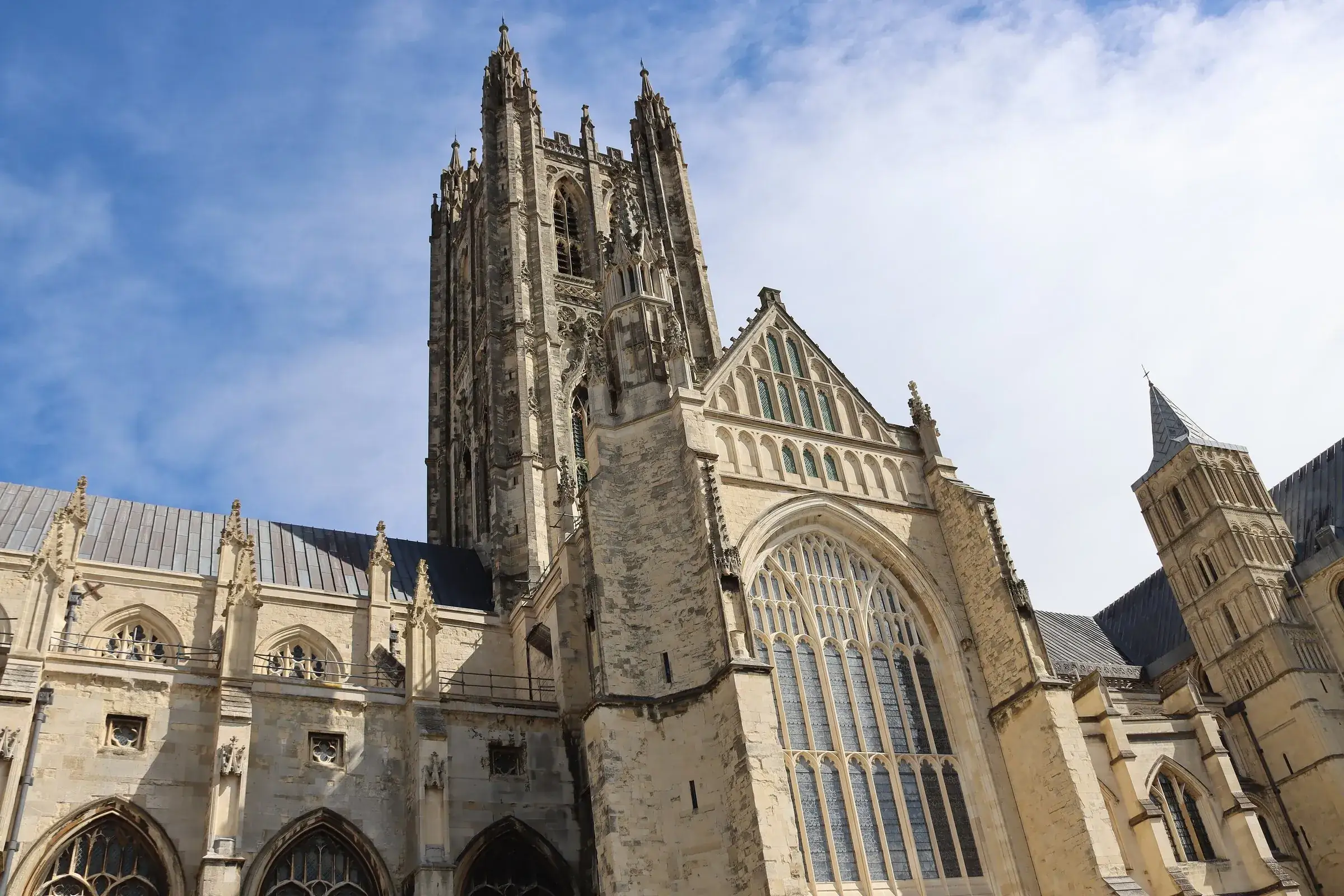
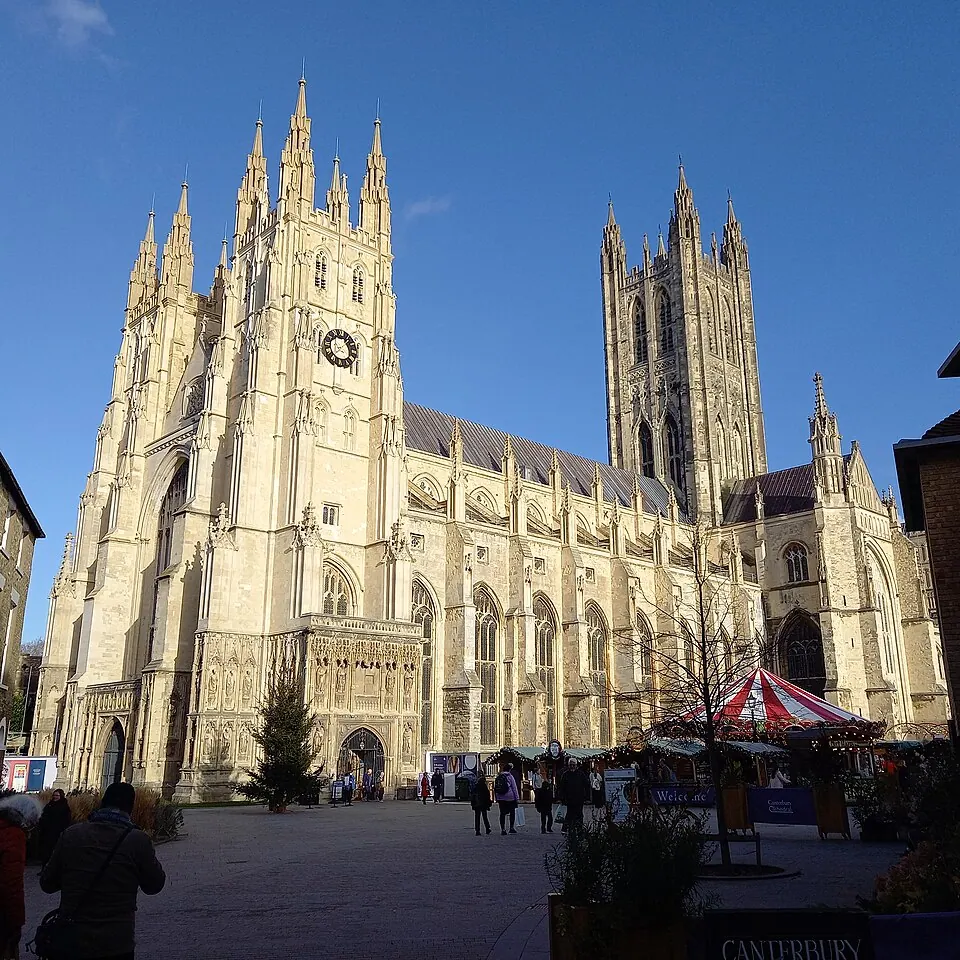
The sunlit stone cathedral seen from below, with the tall Bell Harry tower, pinnacles and a large pointed transept window against pale sky.
Don’t miss

Canterbury Cathedral

The cathedral where Thomas Becket was murdered in 1170. You reach it through Christ Church Gate, on the small square called the Buttermarket.

Usually one to three hours · Own ticket

Going through the gate needs a cathedral ticket.

Read our Canterbury Cathedral guide →

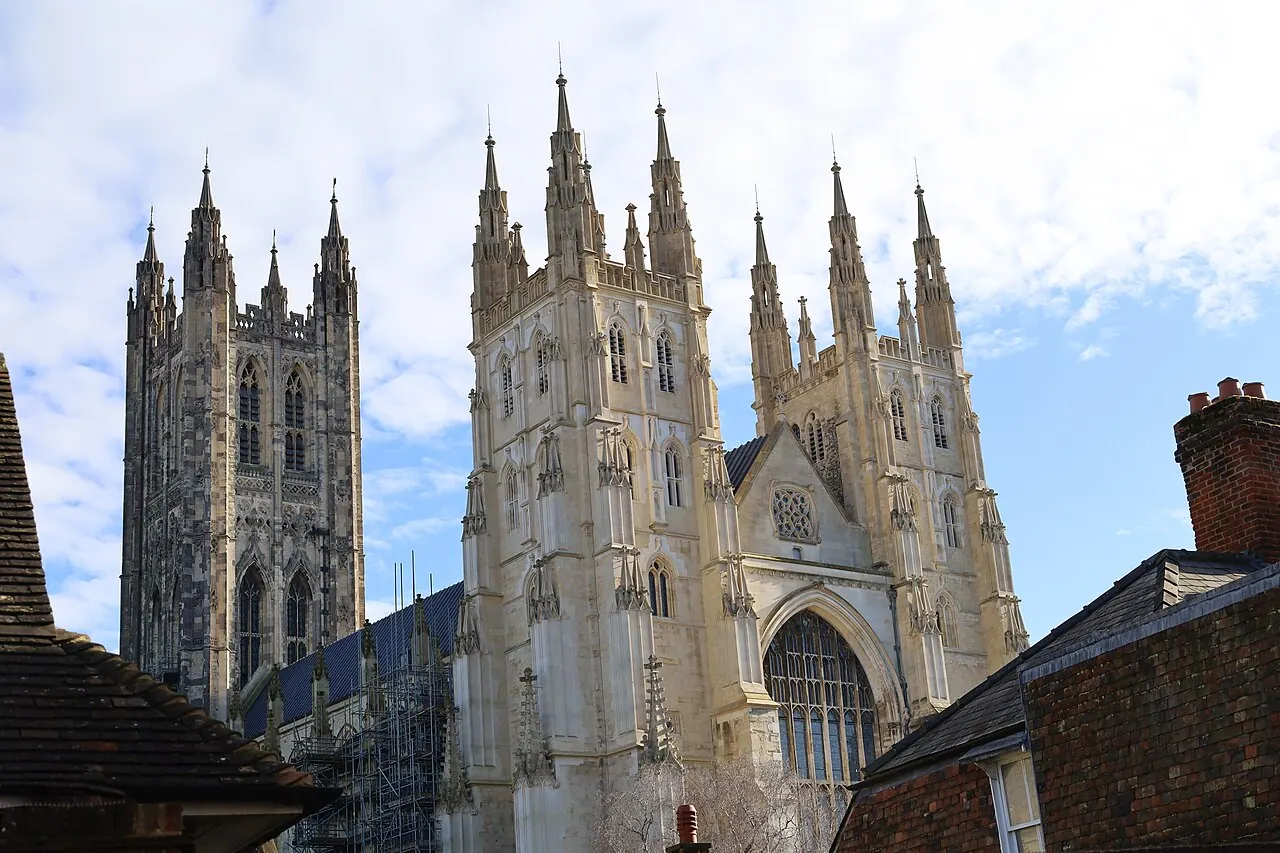
The towers and west front of Canterbury Cathedral above nearby rooftops

Westgate Towers

The largest medieval city gate still standing in England, built from 1379, with a small museum inside and a climb to the battlements for a view over the city roofs.

About 30 min · Own ticket

The only way up is a narrow staircase of five flights, and the roof can be slippery when wet.

Long black-and-white timber-framed house with a hanging Old Weavers House sign beside a narrow river, with punts and trees at the far end.

The Old Weavers' House, Eastbridge Hospital and Greyfriars

The timber-framed Old Weavers' House by the river, and close by on the main street Eastbridge Hospital, which has welcomed pilgrims since 1190. Next door, the Franciscan Gardens hold Greyfriars Chapel.

About 30 min · Own ticket

Eastbridge Hospital has a paid ticket. It is trialling opening seven days a week from 11:00 to 15:00, so check before you go. The Franciscan Gardens open on Wednesdays and Thursdays only.

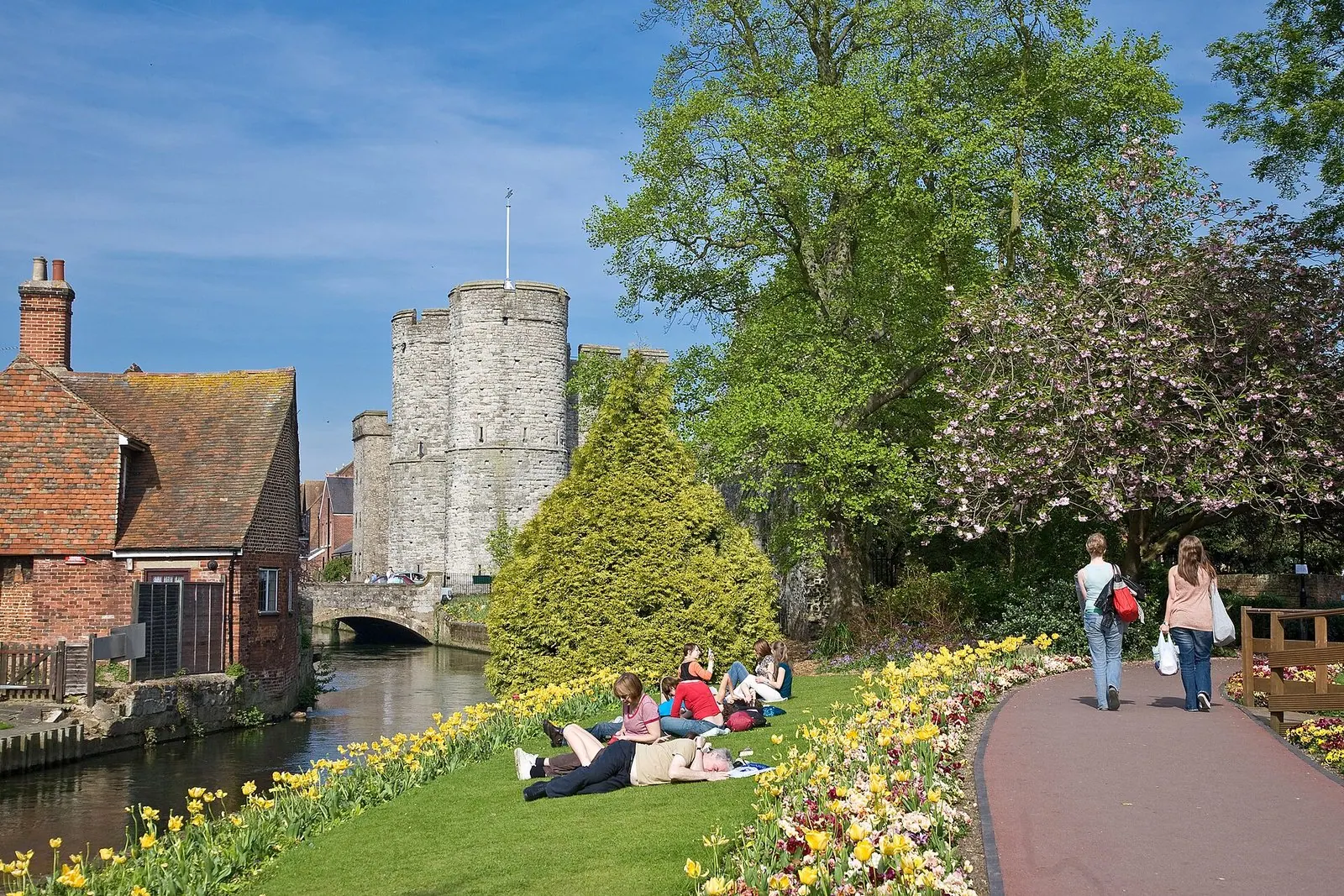
Westgate Gardens in spring, with flower beds and people on the lawn, the River Stour, a brick building and the Westgate towers beyond under blue sky.

Westgate Gardens

Lawns and flower beds beside the River Stour, and a plane tree more than 200 years old. Punt trips run on the river from mid-March to the end of October.

About 20 min · Free

A pale clay figurine of a horse, glowing in warm light against a dark blue background.

Canterbury Roman Museum

The mosaic floor of a Roman town house, found after the bombing of 1942, with Roman objects from the city around it.

About 45 min · Own ticket

Entry needs a paid ticket.

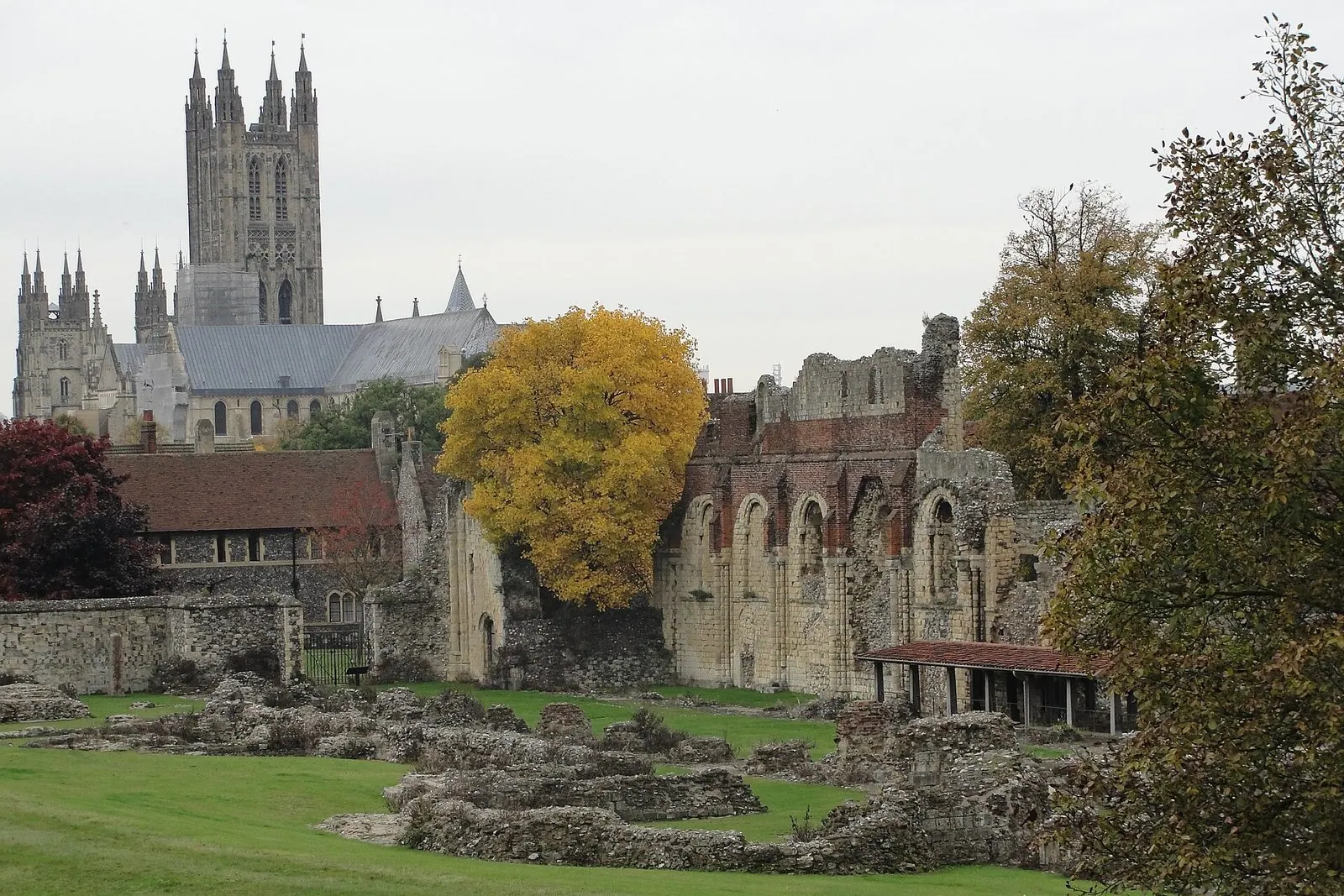
Wide view across the low foundations and lawns of St Augustine's Abbey ruins in autumn, with Canterbury Cathedral's Bell Harry Tower rising behind

St Augustine's Abbey

The ruins of the abbey that Augustine founded after 597. There is a small museum, a free audio tour and a virtual reality view of the abbey in the early 1500s.

About 60 min · Own ticket

An English Heritage site with a paid ticket, at the far end of the old city from the Westgate.

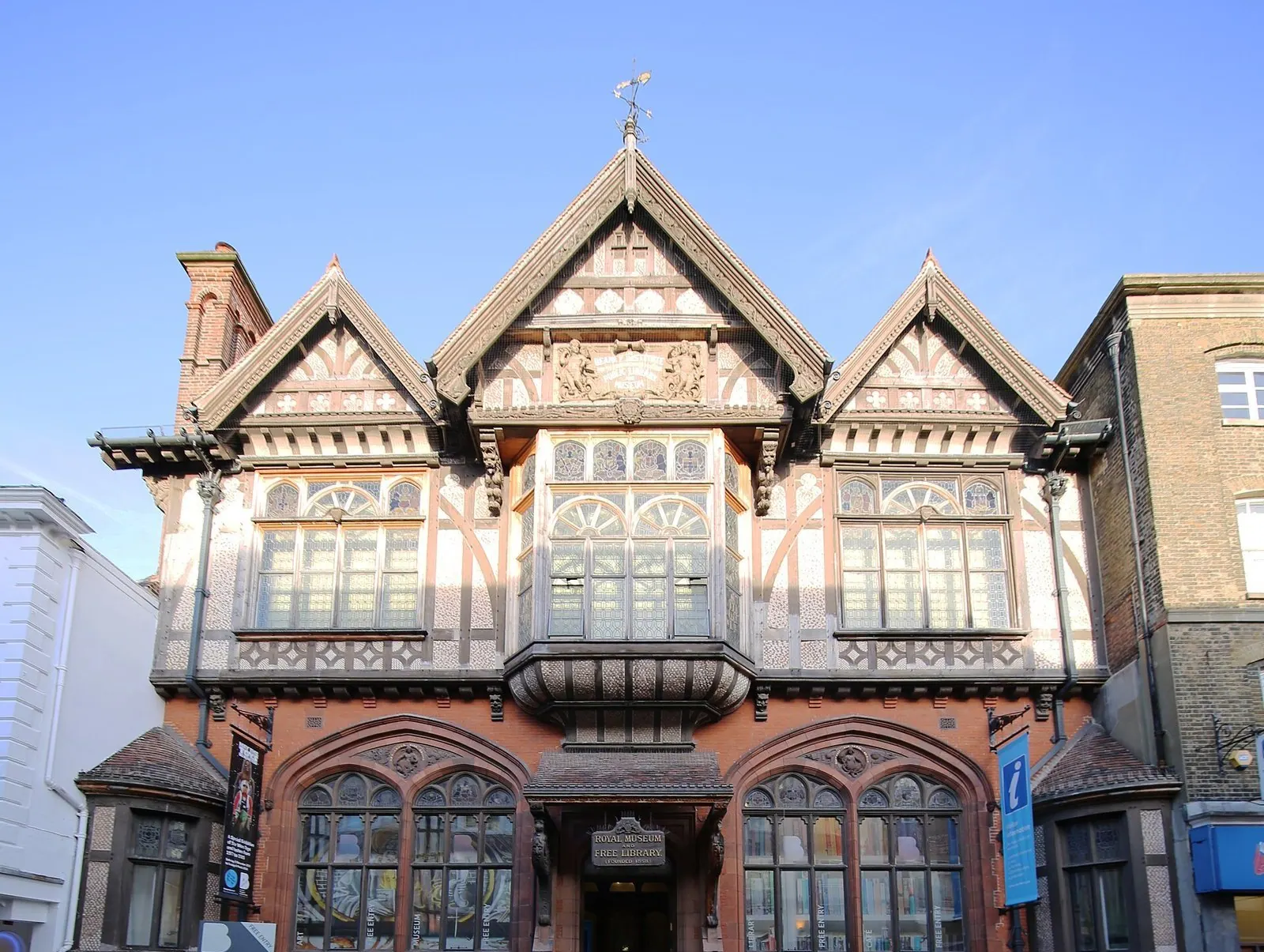
The full mock-Tudor frontage of the Beaney on Canterbury High Street, with three carved gables, a bay window and arched red-brick windows

The Beaney

Canterbury's museum, art gallery and library, in a grand building of 1897 to 1899 on the High Street.

About 30 min · Free

Free entry; closed on Mondays.

1 of 7

Swipe for all seven highlights →

Practical answers

Before you go.

The questions people ask before they book.

How far is Canterbury from London?

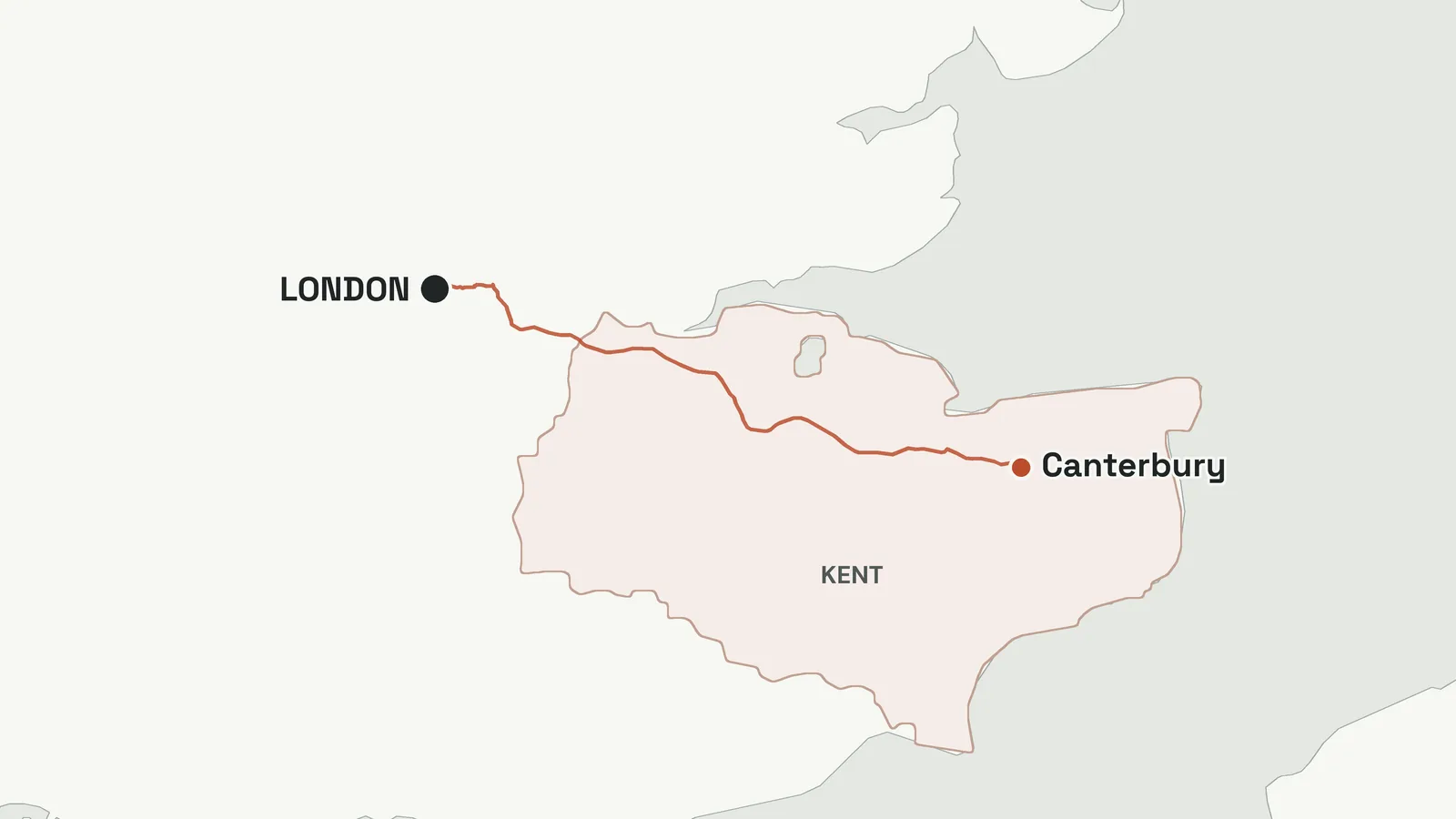
About 59 miles (95 km) by road, roughly 1 hour 30 minutes each way without traffic. Allow time to walk the old city when you arrive. OpenStreetMap road routing (OSRM), retrieved 29 October 2026 → (opens in a new tab)

Does a Canterbury city stop include the cathedral?

No. The streets of Canterbury are free to walk. Going inside the cathedral is a separate visit with its own entry ticket and its own guide.

What should I know before I go?

Boat trips run seasonally and each attraction sets its own opening times, so check any you want before you go. A city stop does not include the cathedral. Visit Canterbury: 10 great things to do → (opens in a new tab)

Where do tour buses drop visitors in Canterbury?

The visitor site lists bus drop-off at Whitefriars in the centre and at Kingsmead Road Coach Park, about a ten-minute walk along the river. Check the visitor site for the current drop-off points. Visit Canterbury: getting to Canterbury → (opens in a new tab)

Can everyone get up the Westgate Towers?

The Westgate Towers' own website says three things. The only way up is a narrow staircase with five flights. The doorways are narrow because the building is listed (protected by law). The battlements (the notched wall around the roof) may be slippery when wet. Westgate Towers museum → (opens in a new tab)

Do the river boats run all year?

No. The visitor site says the Westgate Gardens boats run from mid-March to the end of October, depending on the weather. Check availability and times before you plan around a trip. Visit Canterbury: Westgate Gardens → (opens in a new tab)

Do I need a ticket for the Roman Museum?

Yes. It is ticketed, with same-day tickets sold on arrival and advance booking recommended. Check its page for opening times on your day. Canterbury Museums: Roman Museum visit information → (opens in a new tab)

Where are the toilets and somewhere to eat?

Visit Canterbury says the West End, by Westgate Gardens, has cafes, restaurants and bars. A mobile cafe runs at Tower House in summer. It says the Toddler’s Cove playground, further along the river path, has toilets and a refreshment van. Visit Canterbury: Westgate Gardens → (opens in a new tab)

Free day guide

Get the free Kent day guide

The guide has a page for each stop, with what to see in 30, 60 or 90 minutes, and where to find toilets and food.

Unsubscribe any time. Privacy

When to go

What changes through the year.

The city is open all year. What changes with the seasons is the river, the gardens and the city's festivals.

Spring

Flowers come into bloom in Westgate Gardens, and from mid-March punts take visitors along the River Stour, weather permitting. Visit Canterbury: Westgate Gardens → (opens in a new tab)

Summer

Westgate Gardens holds community events such as art shows and performances, and a mobile café with outdoor seating opens there in the summer months. Visit Canterbury: Westgate Gardens → (opens in a new tab)

Autumn

Each October the Canterbury Festival, one of Kent's leading arts festivals, brings music, comedy, talks and walks to venues across the city for two weeks. The punts stop at the end of October. KentOnline: Canterbury Festival 2026 → (opens in a new tab)

Winter

From 12 November to 24 December 2026, a Christmas market of wooden huts runs along St George's Street, in Whitefriars and in the cathedral grounds, with gifts and food. Visit Canterbury: Christmas in Canterbury → (opens in a new tab)

The museums, the Westgate Towers and the punts each set their own days and hours. Some close one or two days a week or in winter. Check the ones you want before you go. Check opening times with Canterbury Museums → (opens in a new tab)

A taste and a keepsake

Take a little Canterbury home with you.

Canterbury has its own cheesemakers, brewers and potters. Here are three things made in or near the city that you can find in the centre.

Just ideas for any free time you get.

Two tall hand-thrown mugs with a pale blue-green crackle glaze, standing side by side on a small dark tray on a wooden table
Illustrative
Take home

A pot made in Canterbury

Canterbury Pottery has made pots on Burgate, near the cathedral gate, since 1963. Richard and Jan Chapman make stoneware mugs, bowls and jugs by hand in the studio behind the shop.

Where to find itThe shop is closed on Tuesdays and Sundays. Pots are heavy, so choose something small to carry.

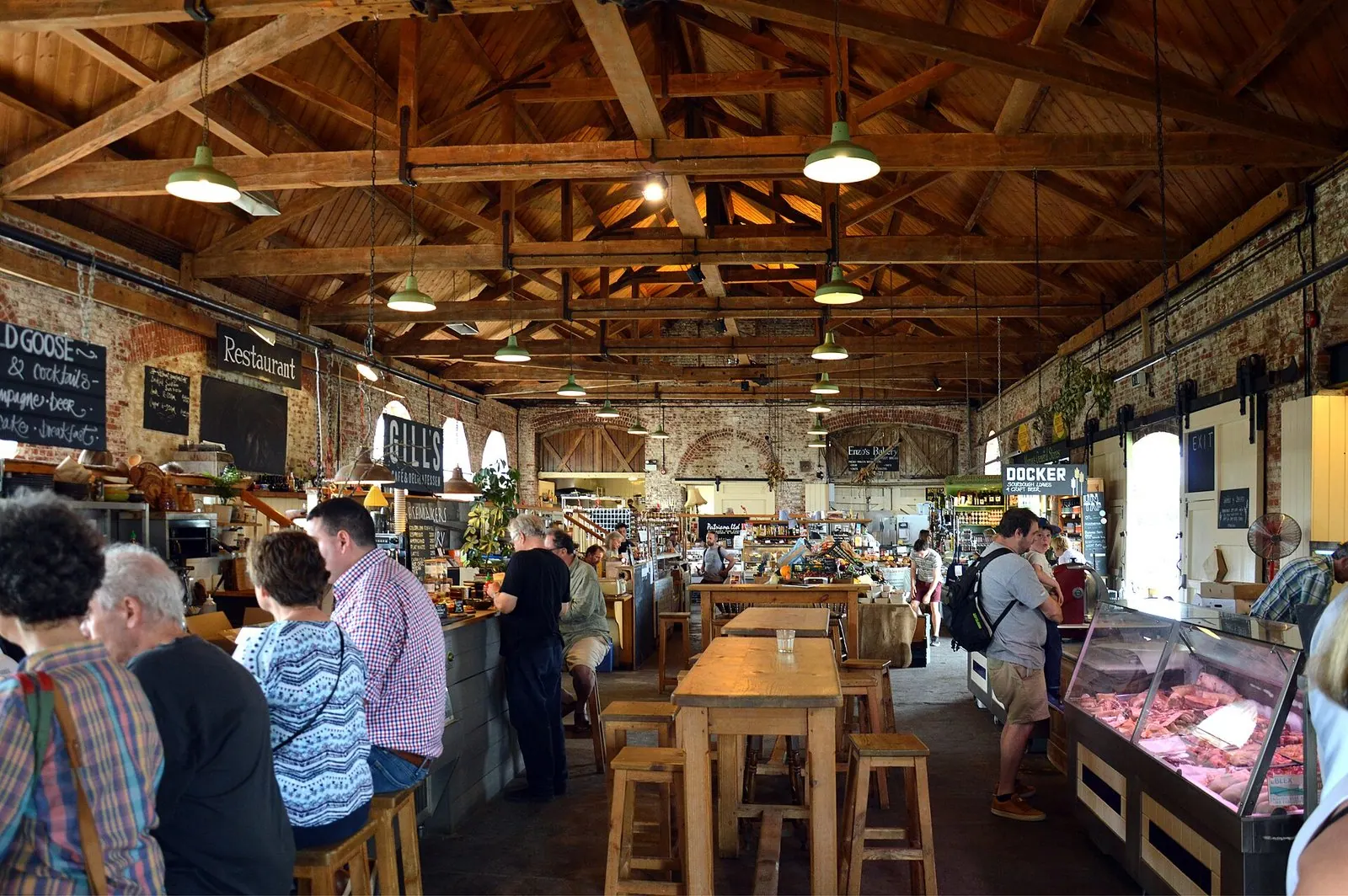
Inside the Goods Shed in Canterbury: a long brick hall with a wooden roof and hanging green lamps, food counters along the sides and wooden tables down the middle
Taste

Cheese made near Canterbury

The Goods Shed is a farmers' market and food hall next to Canterbury West station. There, Cheesemakers of Canterbury sell Ashmore, a hard cheese made by hand from local cows' milk.

Where to find itThe Goods Shed is about five minutes' walk from the High Street and is closed on Mondays.

A dimpled glass pint jug of dark amber ale with a creamy head, standing on a table
Illustrative
Taste

A beer brewed in the city

Canterbury Brewers & Distillers brew beer and make gin, rum and whisky in an old Victorian foundry on Stour Street. You can try them at The Foundry, their brewpub.

Where to find itOnly if your free time includes a sit-down drink or meal; it opens at midday.

Plan your day

Help with choosing.

Also in Kent

Places on the same day trips.

All Kent day trips →
Picture credits and sources

Pictures

Image sources and credits are listed here. Pictures made with AI are marked.

Tour photographs are provided by the tour operators through Viator and are shown from Viator’s own image servers.