The real England, in one easy day from London
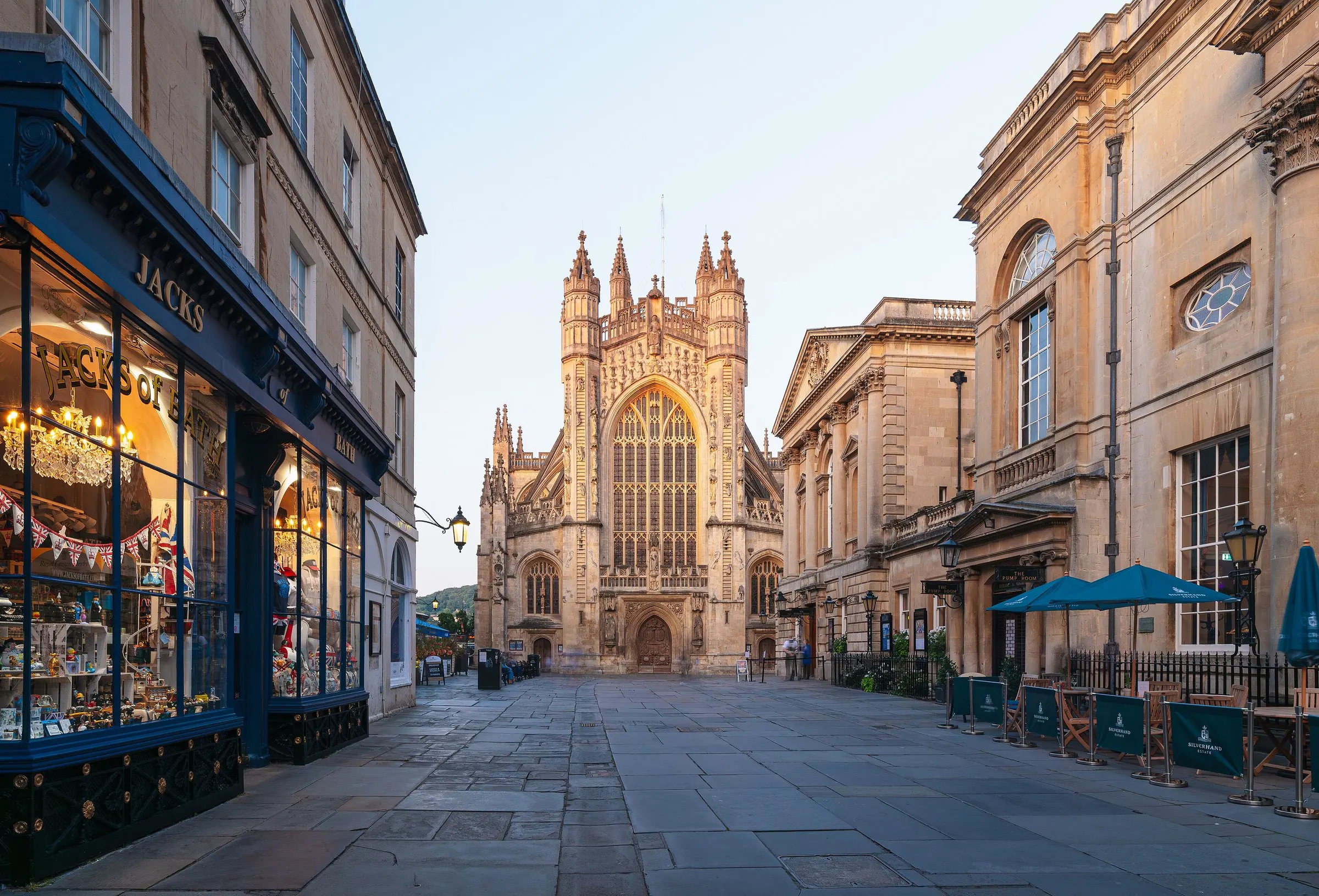
Bath Abbey's West Front in soft pastel evening light at the end of Abbey Church Yard, with a lit shop window at left

A fan-vaulted abbey with angels on its front

Bath Abbey

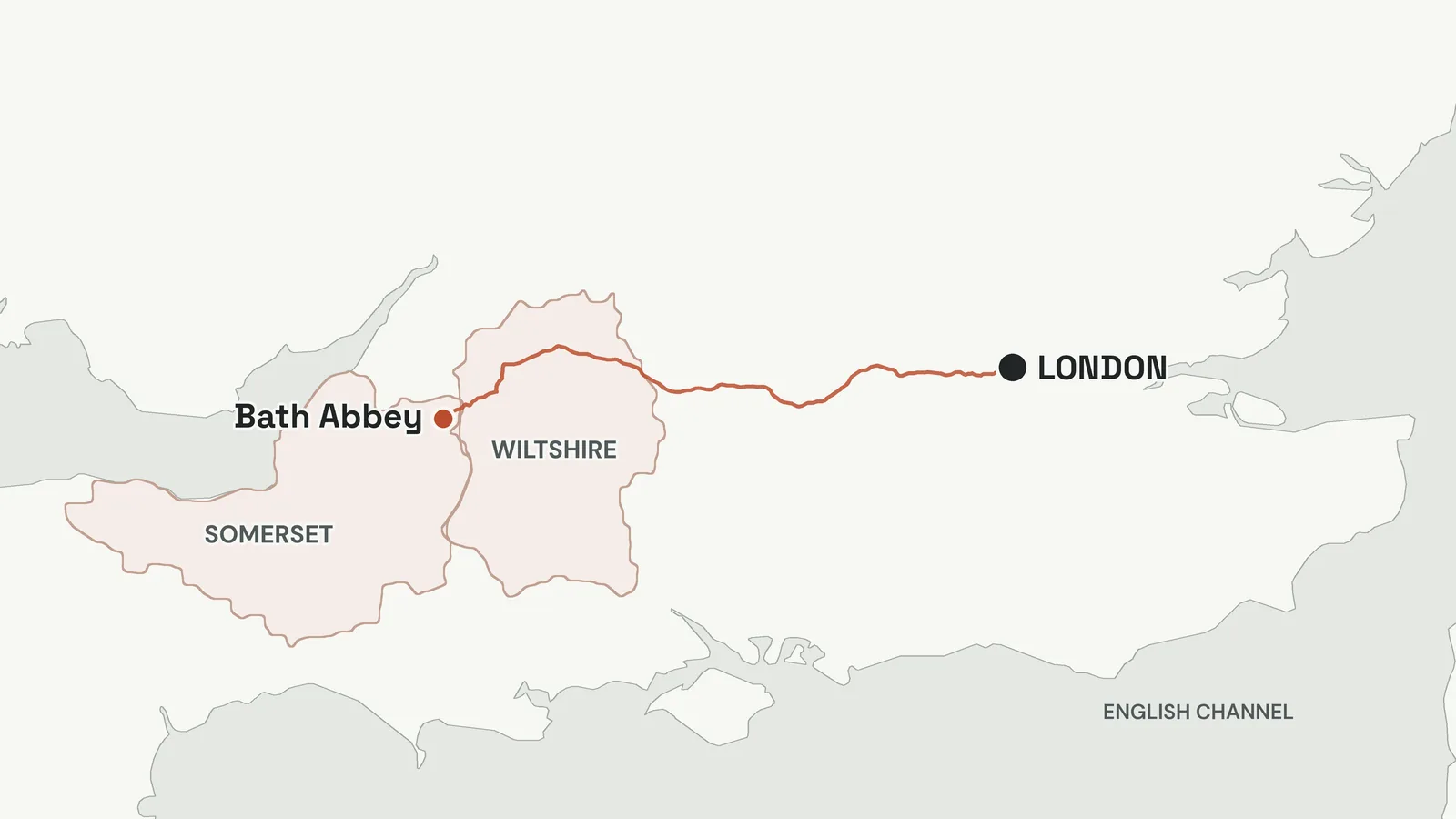
Abbey Church Yard, central Bath · a day trip from London

See how long each tour stops in Bath Abbey →

Why it matters

Why Bath Abbey matters.

For over a thousand years there has been a church on this spot. A king was crowned here, a bishop dreamed of angels, and Victorian builders gave it its great stone ceiling. Here is what to look for.

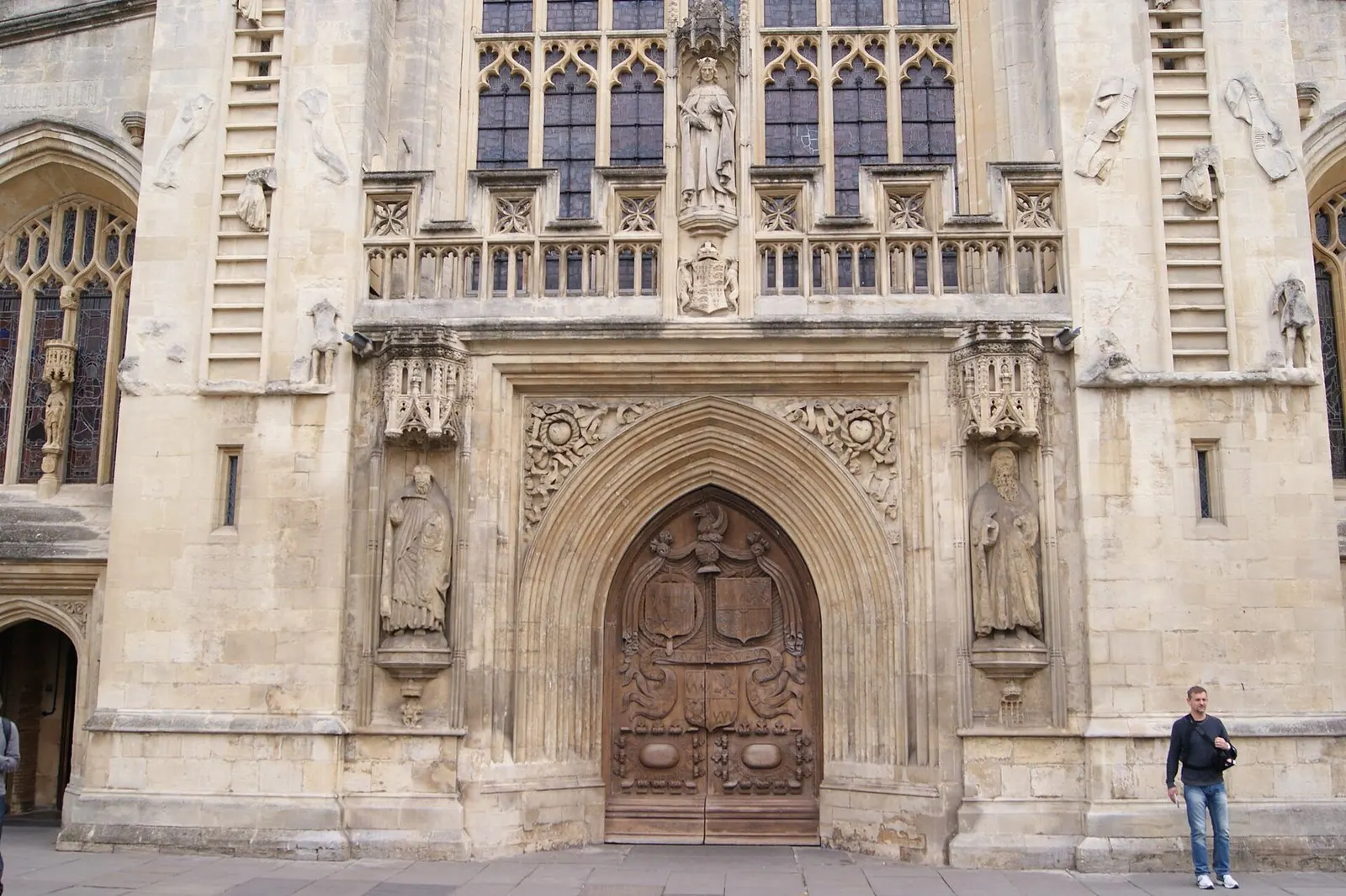
The carved west doorway of Bath Abbey with its arched wooden door, statues either side, and stone ladders with climbing angels up the front

01

A bishop’s dream of angels

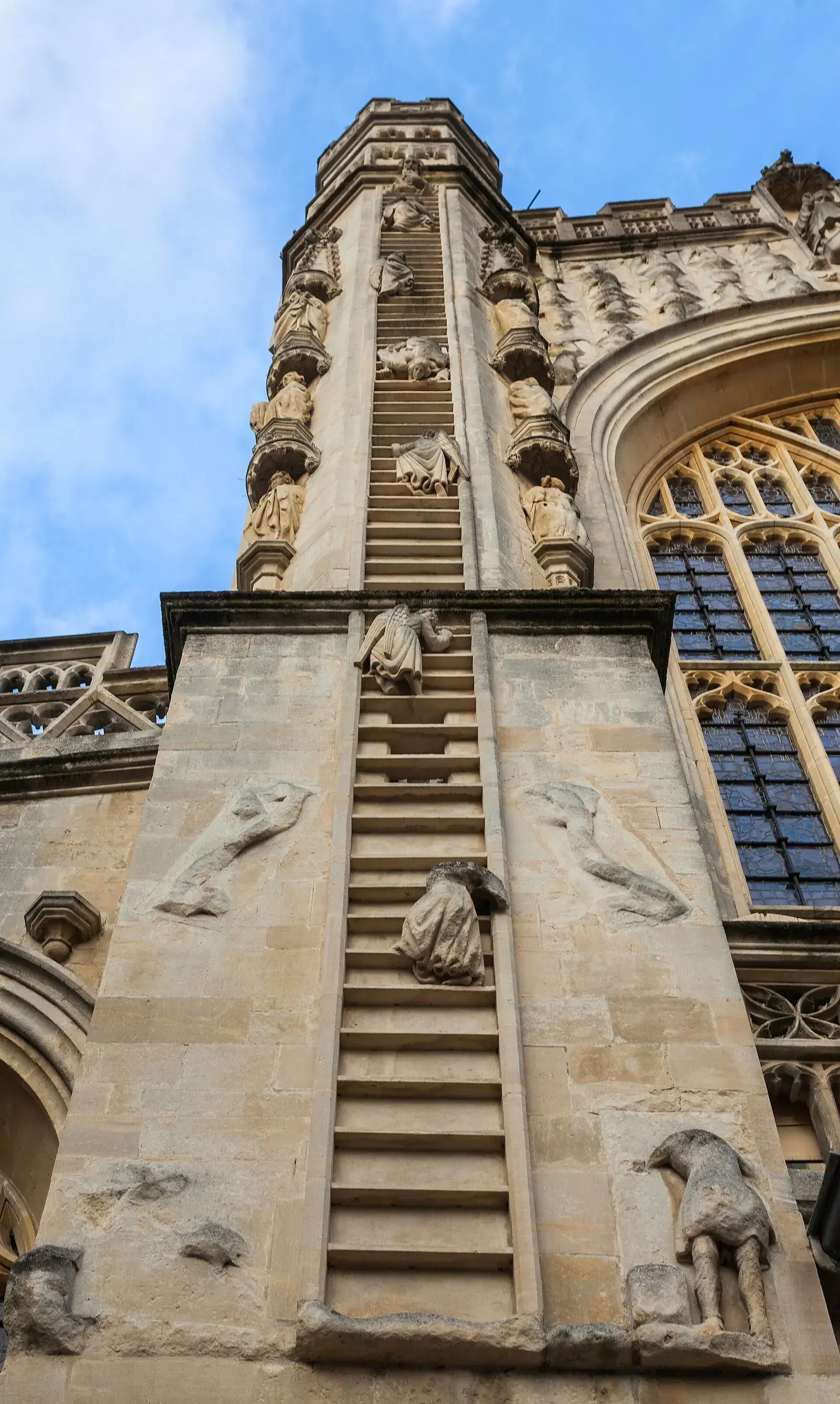
Ladders of angels climb the front of the Abbey, because a bishop said he dreamed of them.

In 1499 Bishop Oliver King ordered the monks to rebuild the Abbey, because the old church had decayed. A legend says he dreamed of angels, an olive tree and a crown. A voice said, “Let an Olive establish a Crown and let a King restore the Church.” The West Front shows the angels on ladders, with a crown, an olive tree and a bishop’s mitre carved in his honour. King Henry VIII closed the Abbey in 1539 and it fell into ruin.

Look for

The angels on both sides of the great West Window, seen from Abbey Church Yard.
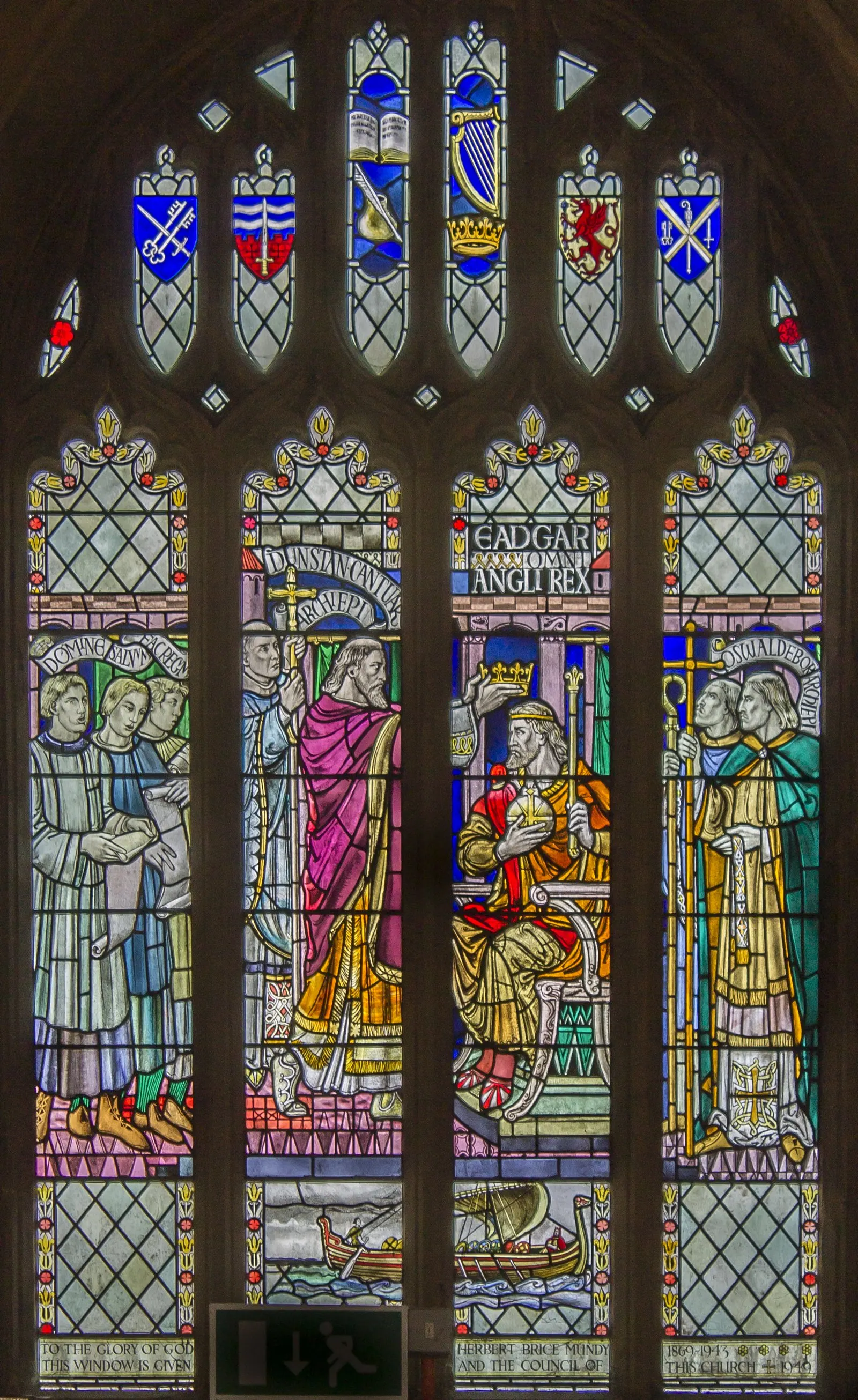
Stained glass window of the crowning of King Edgar in 973, showing Edgar enthroned and Archbishop Dunstan holding the crown, flanked by choristers and Oswald

02

A king crowned here in 973

Edgar was crowned the first king of all England on this site more than a thousand years ago.

King Edgar was crowned King of All England in Bath on Whitsunday in 973, at a Saxon monastery on this site. Dunstan, Archbishop of Canterbury, put together the service. In 1973 Queen Elizabeth II visited to mark the 1,000 years since the crowning, and a commemorative stone was set in the floor.

Look for

The King Edgar window, which shows the crowning, and the commemorative stone in the floor.

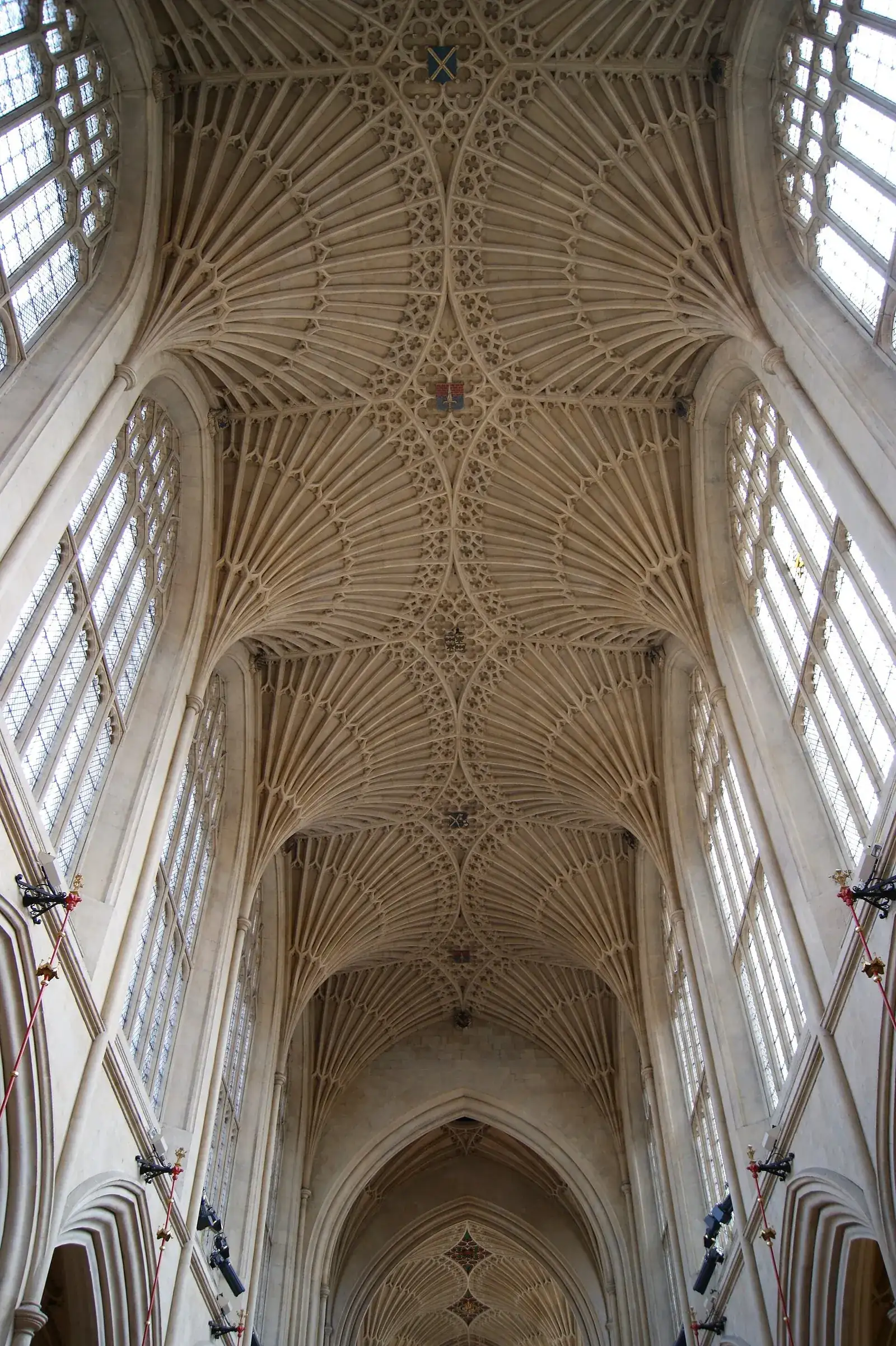
Looking straight up at the stone fan-vaulted ceiling of Bath Abbey's nave, with tall clear windows on both sides and small painted shields on the ribs

03

A ceiling that is partly Victorian

The great stone ceiling over the nave is a Victorian copy of a Tudor design.

The fan vaults, which spread out like open fans, were first made in the 1500s by the king’s master masons. In the 1860s the architect George Gilbert Scott replaced the wooden ceiling over the nave with stone fan vaulting, a copy of the older design. The Abbey asks if you can spot the differences. Visit Bath says Scott’s improvements ran from 1864 to 1874.

Look for

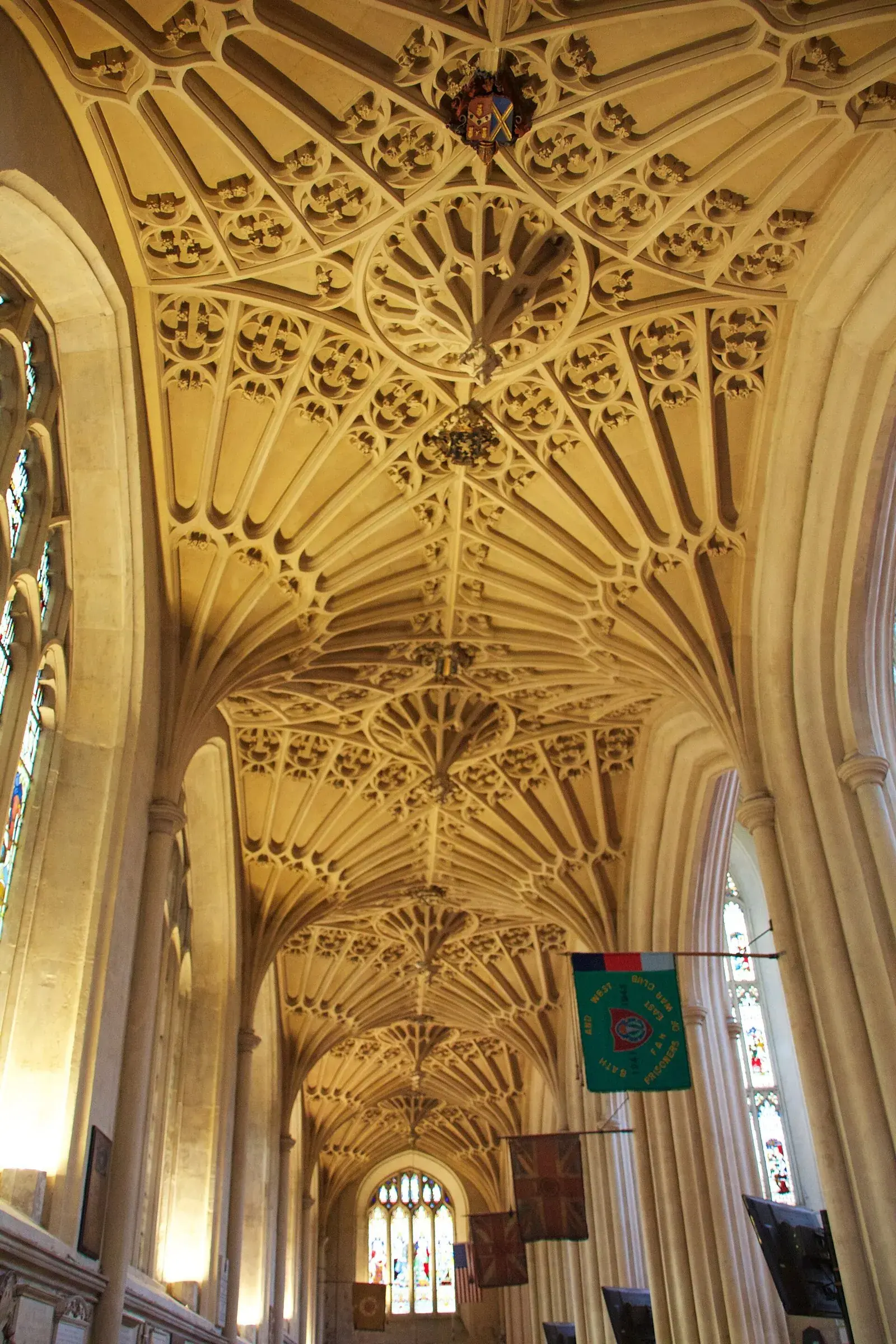
Compare the nave ceiling with the older vaults in Birde’s Chantry Chapel.

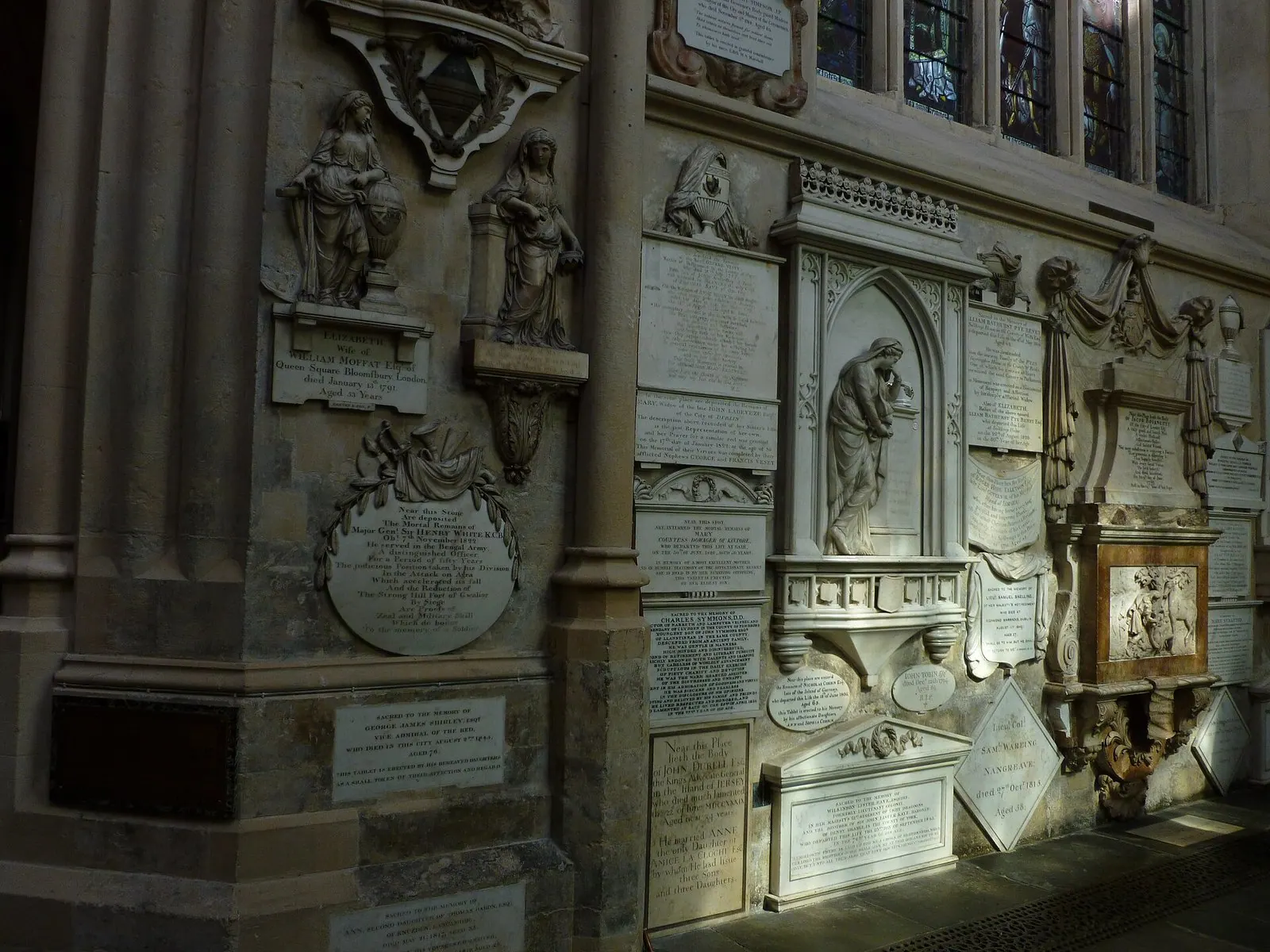
A wall of Bath Abbey covered with memorial tablets and carved marble monuments, with inscriptions and mourning figures

04

A floor of names

Walls and floor are covered with the names of people who lived in Bath.

The Abbey has 635 memorials on its walls, mostly for people from the 1700s and 1800s, and its floor is made of 891 flat gravestones. The floor was collapsing, so a project called Footprint repaired it and re-laid every stone. Beneath it, the Discovery Museum, opened in 2023, shows Anglo-Saxon crosses and carved stone from the Abbey. The new floor is heated by energy from Bath’s hot springs.

Look for

The memorials on the walls, and the gravestones under your feet.

Your time there

What to see.

These are the highlights worth looking out for, if your time allows. See how long each tour stops in Bath Abbey →

The Abbey suggests a quick visit of about 30 minutes, with a free leaflet or an audio guide. Here are the highlights in order of importance.

A stone ladder on Bath Abbey's West Front with carved angels climbing and falling, beside the tall tracery windows, under a blue sky
Don’t miss

The West Front

Ladders of angels climbing up and down either side of the great window, with a carved crown, olive tree and bishop’s mitre.

About 5 min · Free

You can see it from Abbey Church Yard without a ticket.

Warmly lit fan-vaulted ceiling of Bath Abbey, with stone ribs spreading like fans from the columns beside a window

The fan-vaulted ceiling

Stone vaults spreading like fans over the nave, and the oldest vaults from the 1500s in the side chapels.

About 10 min · Included in the entry ticket

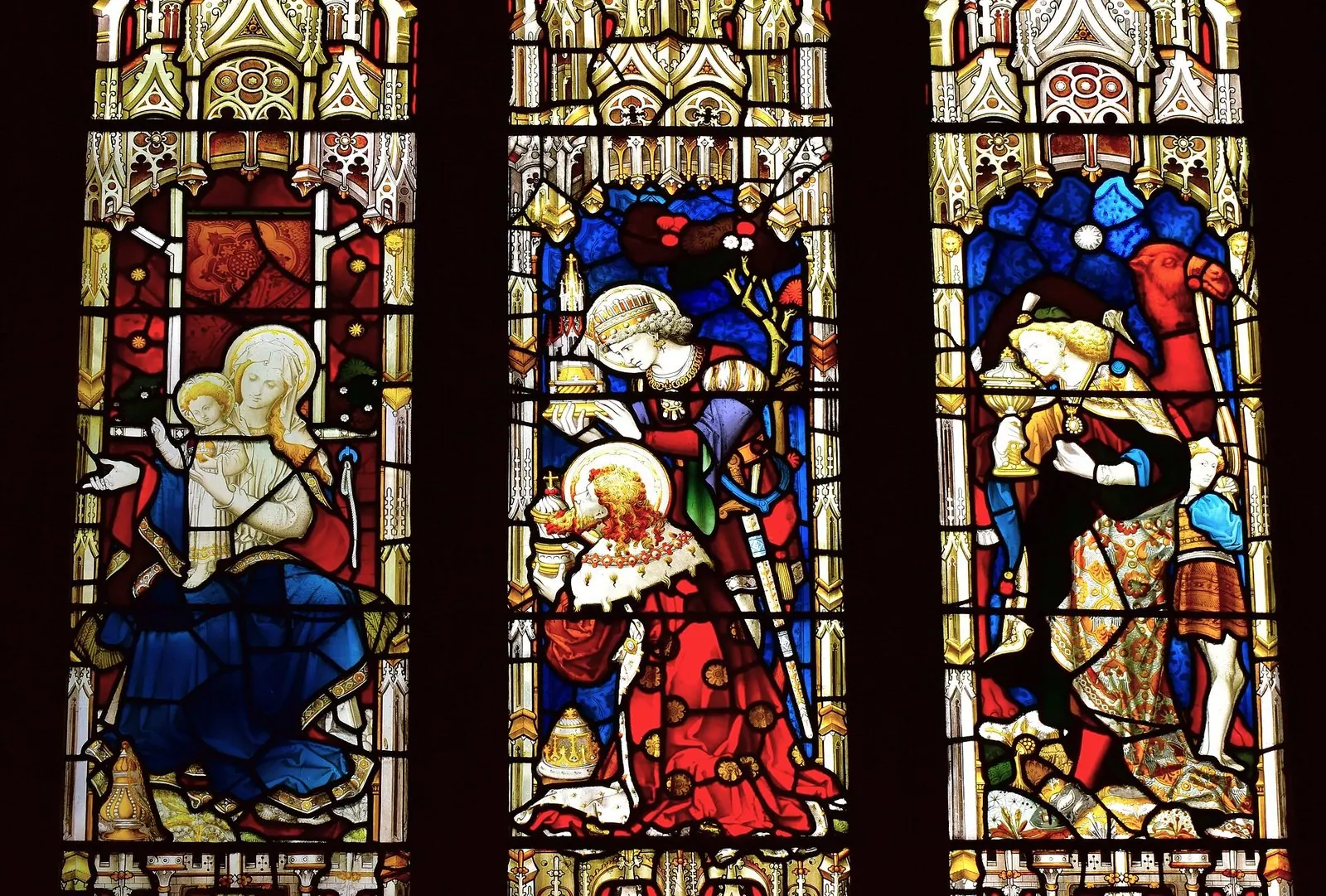
Stained glass in Bath Abbey showing Mary with the baby Jesus and the Magi bringing gifts, in rich reds and blues

The King Edgar window

A coloured window showing the crowning of Edgar as the first king of all England in 973.

About 5 min · Included in the entry ticket

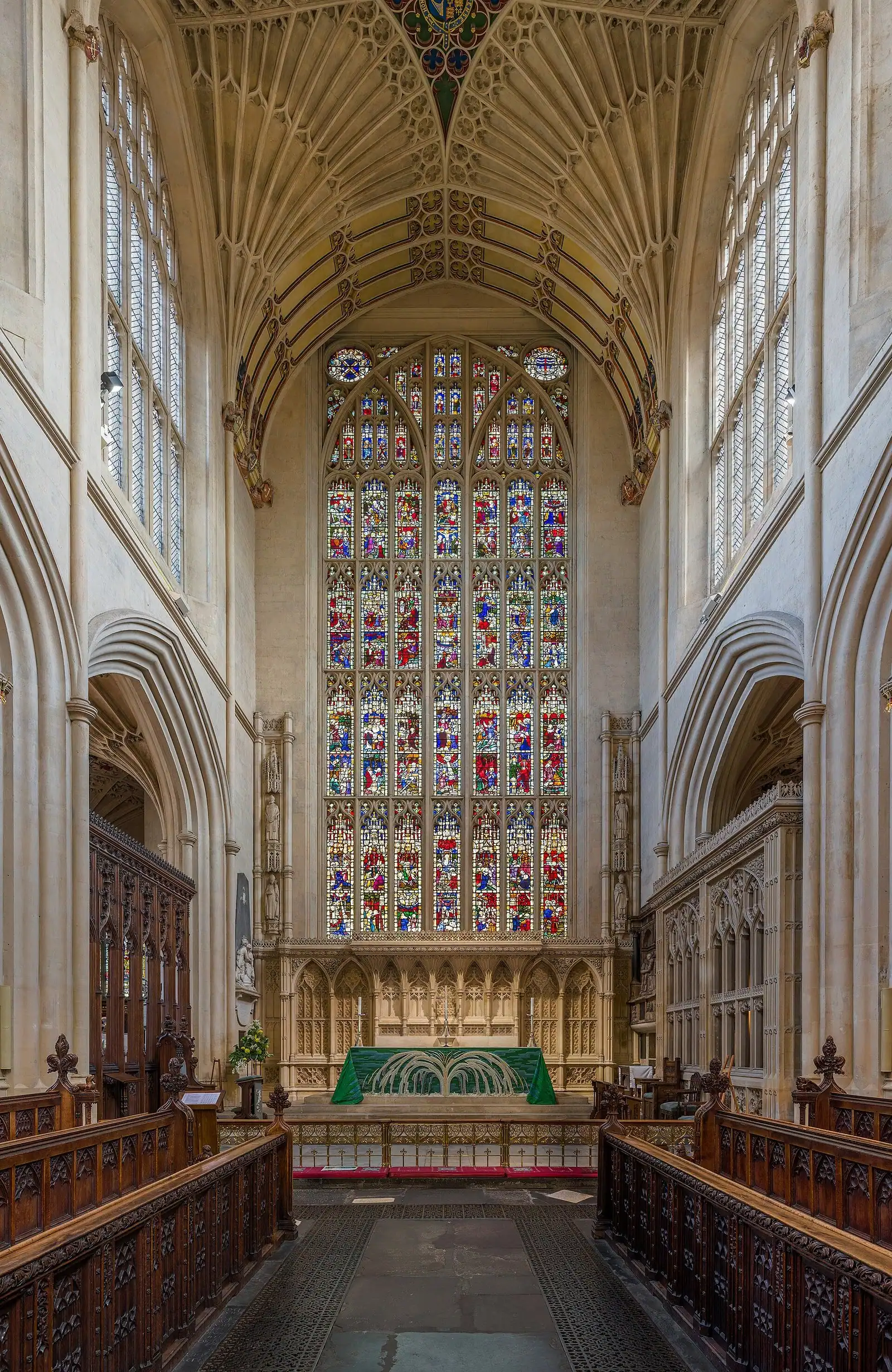
The east end of Bath Abbey with the huge stained glass east window glowing between pale stone arches, its many scenes in rows

The Great East Window

A huge window telling the story of Jesus in 56 scenes, finished in 1873.

About 10 min · Included in the entry ticket

It was badly damaged in the Second World War and restored in the 1950s.

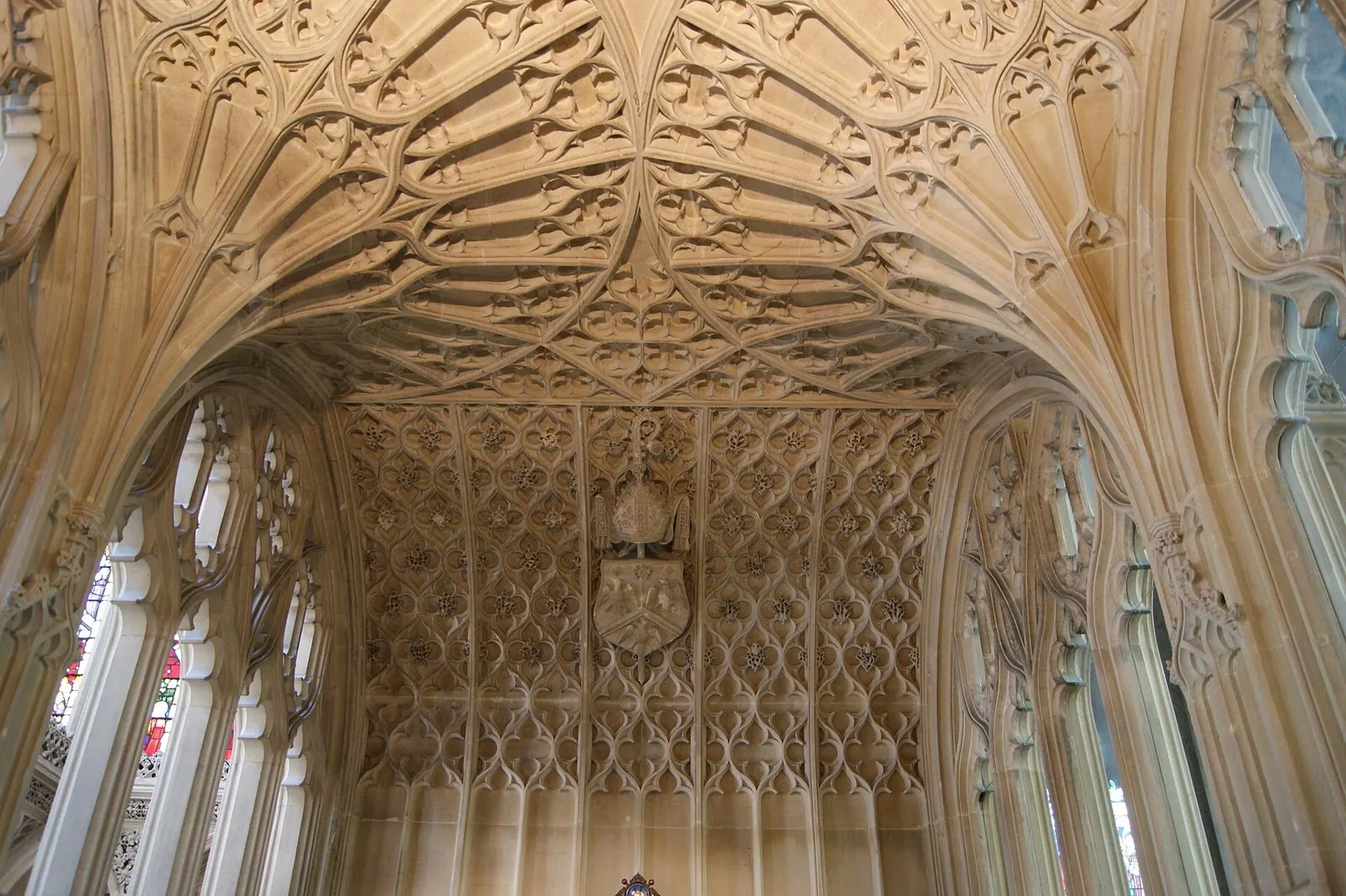
The carved fan-vaulted ceiling and curved end wall of Prior Birde's Chantry Chapel in Bath Abbey, in warm light with tall windows at the sides

Birde’s Chantry Chapel

A small chapel with delicate stone carving, built before 1525 for prayers for its founder’s soul.

About 10 min · Included in the entry ticket

It is still kept as a place for quiet and prayer.

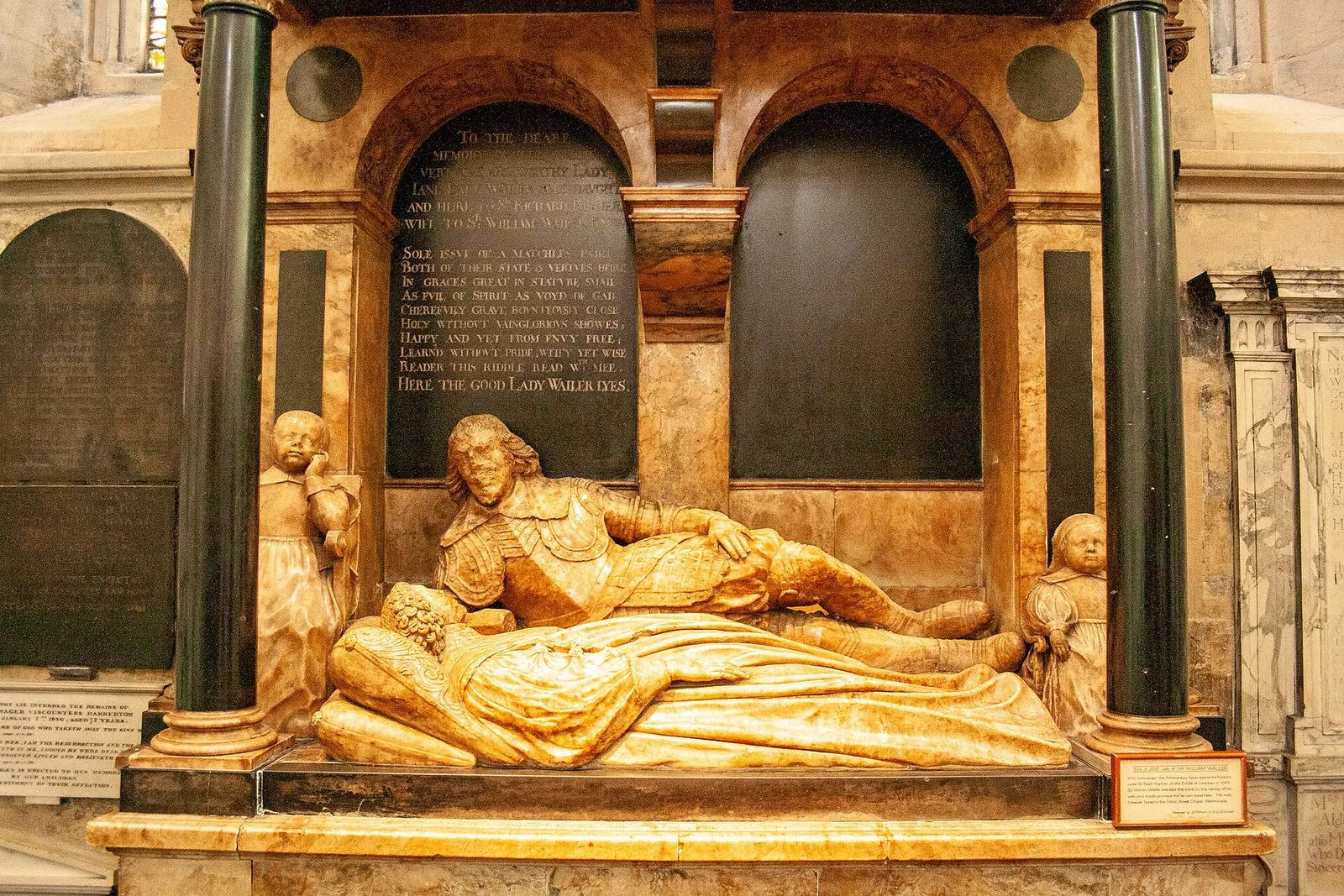
Carved stone tomb monument in Bath Abbey with two reclining effigies under an arch, lit warmly, with an inscribed black panel behind

The memorials and gravestones

635 memorials on the walls and 891 gravestones in the floor, with stories of people from the 1700s and 1800s.

About 15 min · Included in the entry ticket

A free 30-minute highlights tour is included in the ticket, Monday to Saturday, subject to availability.

1 of 6

Swipe for all six highlights →

Practical answers

Before you go.

The questions people ask before they book.

Who can visit Bath Abbey for free?

The Abbey makes no charge for Discovery Card holders, or for residents of the BA1 and BA2 postcodes with a Discovery Card or proof of address. Carers with a disabled visitor also go in free. Everyone else needs a ticket, online or at the Welcome Desk. Bath Abbey: visiting → (opens in a new tab)

Can I go up the tower?

Yes, on a guided Tower Tour, Monday to Saturday. It lasts an hour and climbs 212 steps. It is not wheelchair accessible. Tower Tour tickets are separate and include Abbey and Discovery Museum entry. Bath Abbey: tours → (opens in a new tab)

What should I know before I go?

The Abbey is a working church, so services and events can affect visiting. Its Sunday hours are short, and you need an entry ticket for the inside. Suitcases are not allowed. Bath Abbey: visiting → (opens in a new tab)

Is the Abbey open on Sundays?

Only in the afternoon in the schedule the Abbey lists, from 1 pm to 3:30 pm, and it is a working church with services. The Discovery Museum is closed on Sundays. Check the official page for your date. Bath Abbey: visiting → (opens in a new tab)

Is the Abbey wheelchair accessible?

Yes, apart from Tower Tours. There is level access at the main entrance and lifts to the Discovery Museum. An accessible toilet is on the Abbey floor, and you can reserve a wheelchair to borrow. Bath Abbey: accessibility → (opens in a new tab)

Where can I leave a bag?

Suitcases are not allowed in the Abbey and there is no storage. The Abbey suggests leaving your bag at your hotel or using the storage near Bath Spa station. Bath Abbey: visiting → (opens in a new tab)

When is it quietest?

The Abbey says it can be very busy, and is normally quietest before 10:30 am and after 4:30 pm. Arrive early or late in the day for a quieter visit. Bath Abbey: accessibility → (opens in a new tab)

When to go

What changes through the year.

The Abbey is open to visitors most of the year, but a few things change with the season.

Spring

Holy Week and Easter bring extra services, from morning prayer to a Good Friday family service and Stainer's Crucifixion in the evening. Visiting times can change, so check the day. Bath Abbey: Lent, Holy Week and Easter → (opens in a new tab)

Summer

From early May to late October, an organist plays the Abbey's Klais organ every Tuesday at 1 pm. No tickets or booking are needed. Check the official page for this year's dates. Bath Abbey: Tuesdays@1 organ recitals → (opens in a new tab)

Autumn

The Abbey’s what’s on page lists events such as choral evensong, lunchtime recitals and stargazing tours. Check the day before you go. Bath Abbey: what’s on → (opens in a new tab)

Winter

The Abbey floor is heated by renewable energy from Bath’s hot springs, so it is a warm place to come in from the cold. Bath Abbey: the Footprint project → (opens in a new tab)

Services and events can change what is open on a given day. The Abbey lists a different Sunday schedule from its weekday one, so check the official page for your date. Bath Abbey: visiting → (opens in a new tab)

A taste and a keepsake

Something to take home from Bath Abbey.

Here are small extras you can find at the Abbey or nearby, if you have time for a treat.

Just ideas for any free time you get.

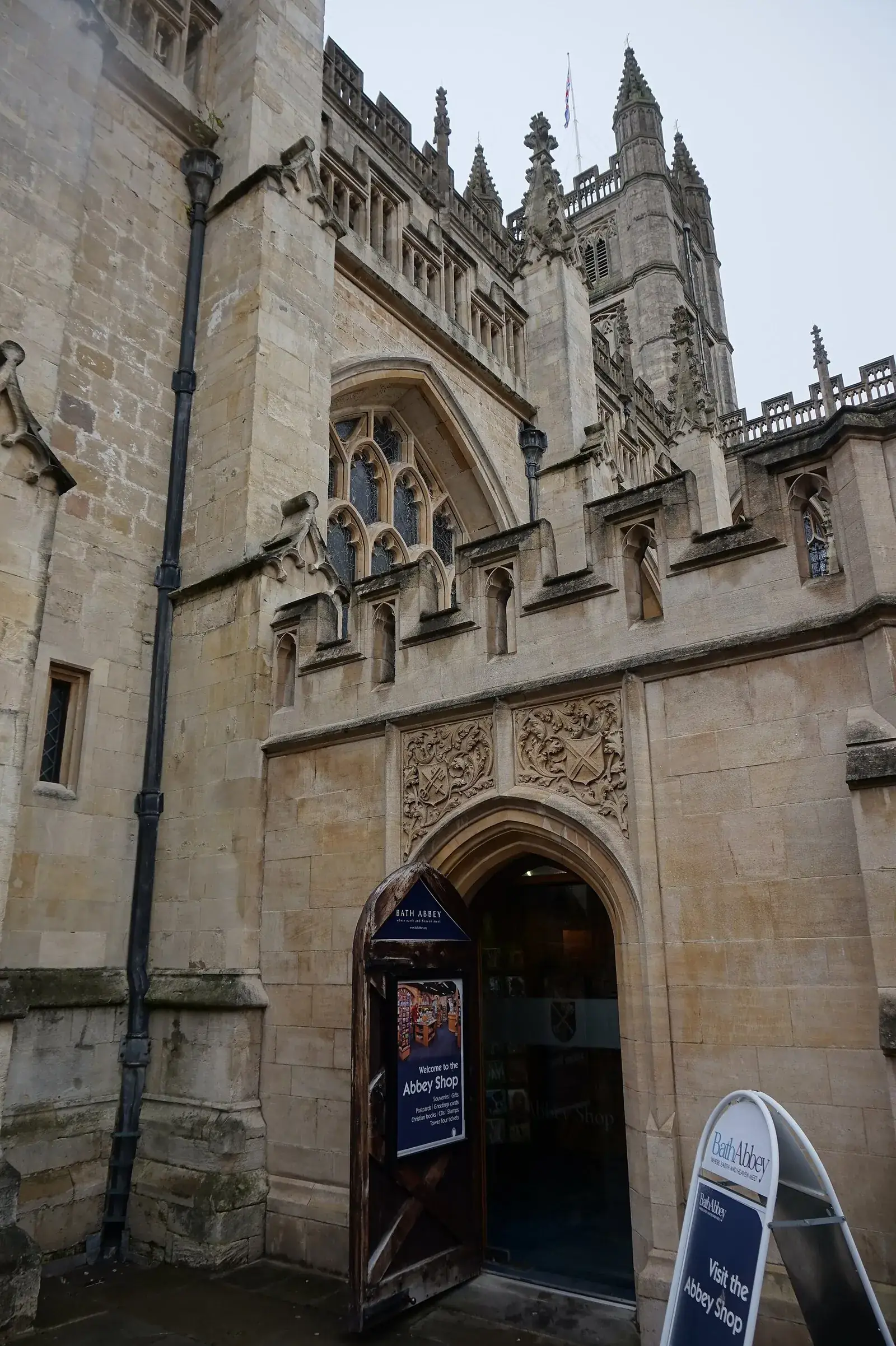
Open wooden door of the Abbey Shop in a carved stone archway, with a Welcome to the Abbey Shop sign and the abbey tower above
Illustrative
Take home

A gift from the Abbey shop

The Abbey Shop sells cards, candles, books about the Abbey’s history, art and jewellery. Many products are designed by local artisans and are unique to the Abbey.

Where to find itThe shop entrance is at the south-west corner, or you pass it at the end of your visit.

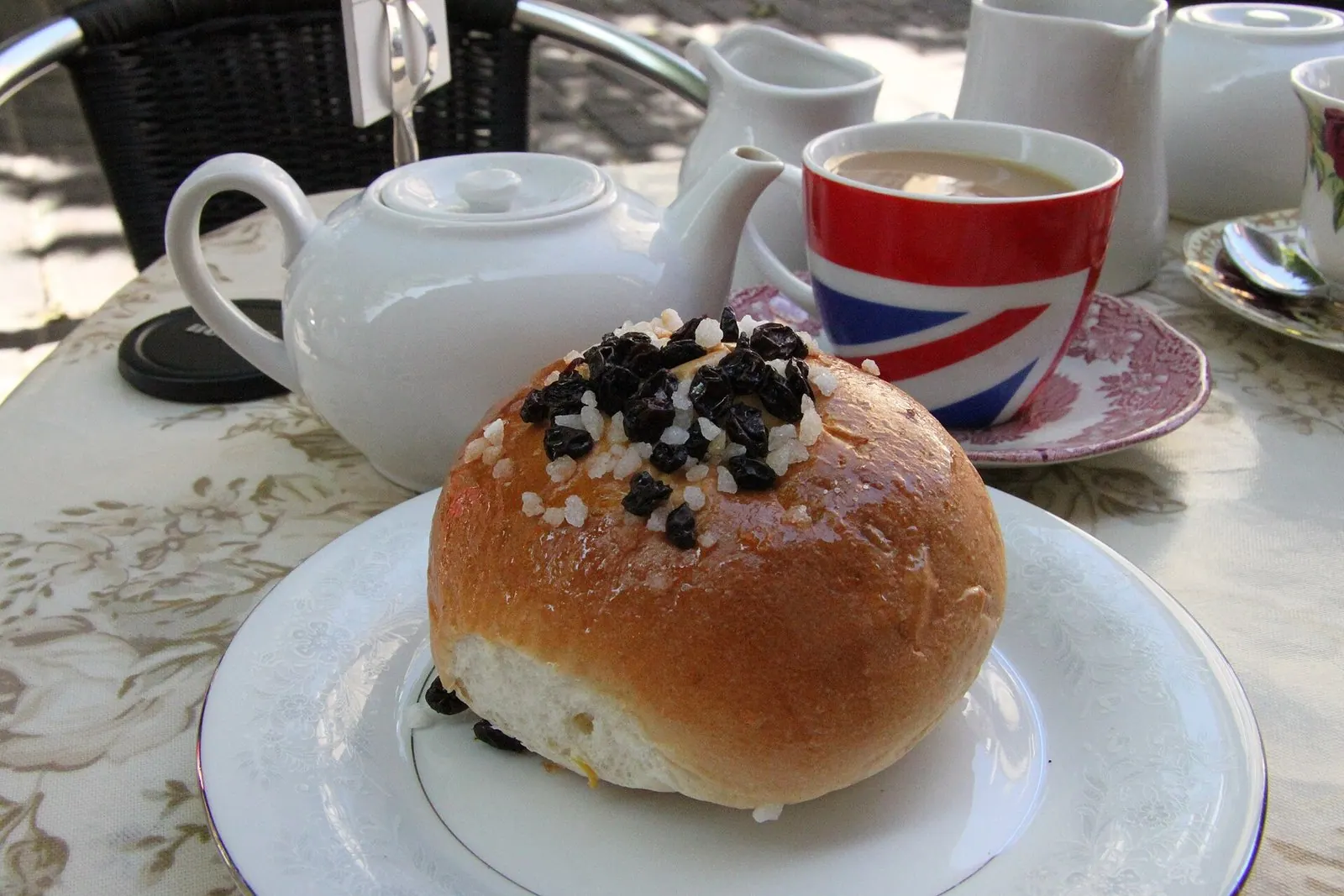
A golden Bath bun topped with currants and sugar nibs on a white plate, with a teapot and a Union Jack teacup behind
Illustrative
Taste

A Bath bun

The Bath bun is a sweet yeast bun, often with a sugar lump in the middle. Visit Bath names two tearooms where you can try one.

Where to find itOnly if your free time leaves room for a tearoom.

Plan your day

Help with choosing.

Also in Bath and Stonehenge

Places on the same day trips.

All Bath and Stonehenge day trips →
Picture credits and sources

Pictures

Image sources and credits are listed here. Pictures made with AI are marked.

Tour photographs are provided by the tour operators through Viator and are shown from Viator’s own image servers.