
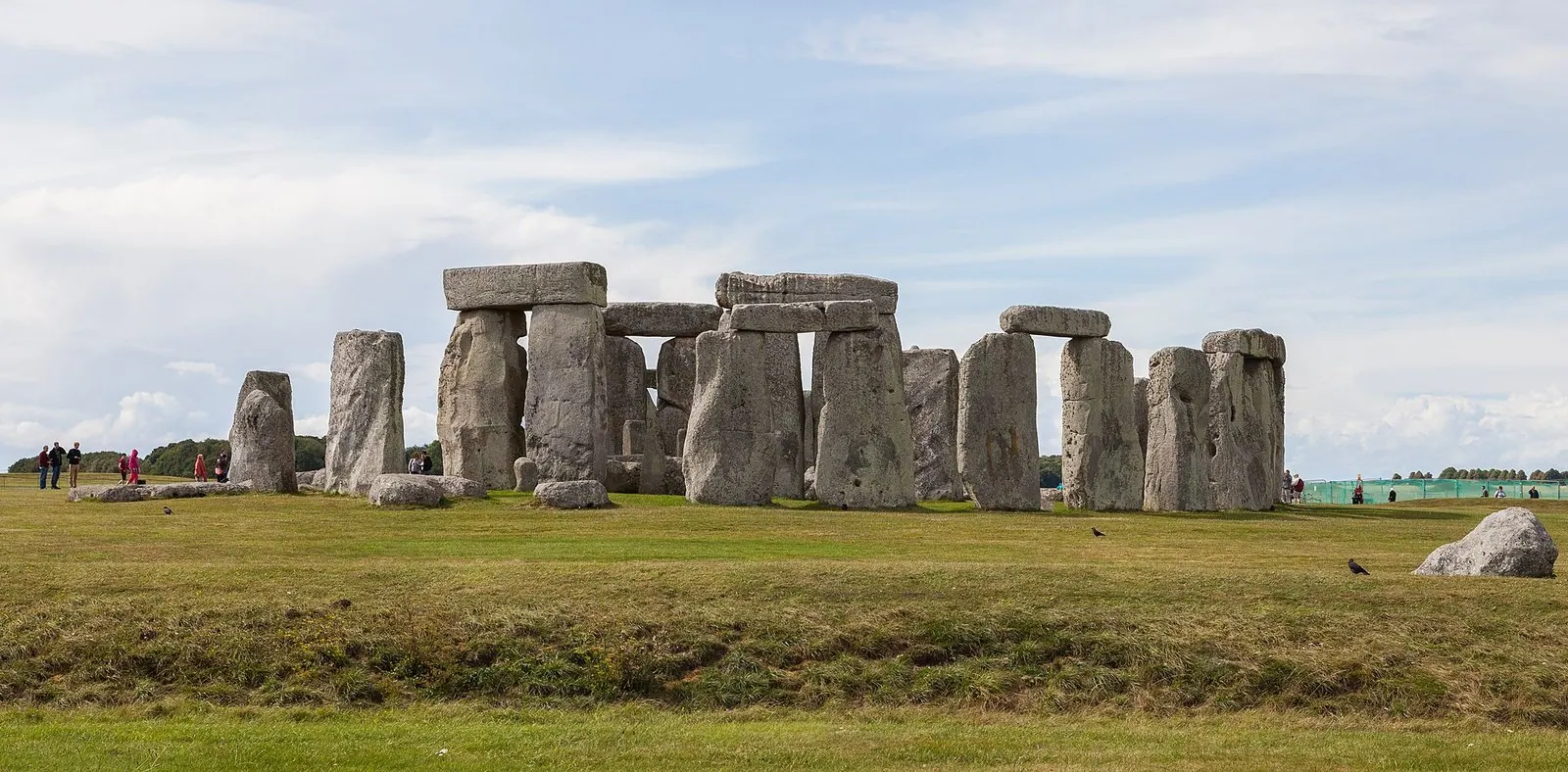
Is Stonehenge worth visiting? What to expect
Published .
Yes, Stonehenge is worth visiting. Walk the path around the big stones, which stand in open country with no shelter, some brought from Wales. You walk around the circle on a path, not among the stones. Our own plan for a visit is about two hours.
Our pick for most people is a day bus tour from London. Stonehenge sits in our Bath and Stonehenge region, with Bath and Castle Combe, so you can add a second place to the day and the bus takes you between them.
- Opening times and tickets: English Heritage Stonehenge official page (opens in a new tab)
- Opening times and tickets: Visit Bath official site (opens in a new tab)
- Opening times and tickets: Roman Baths official site (opens in a new tab)
- Opening times and tickets: Castle Combe village site (opens in a new tab)
At a glance: the day plan
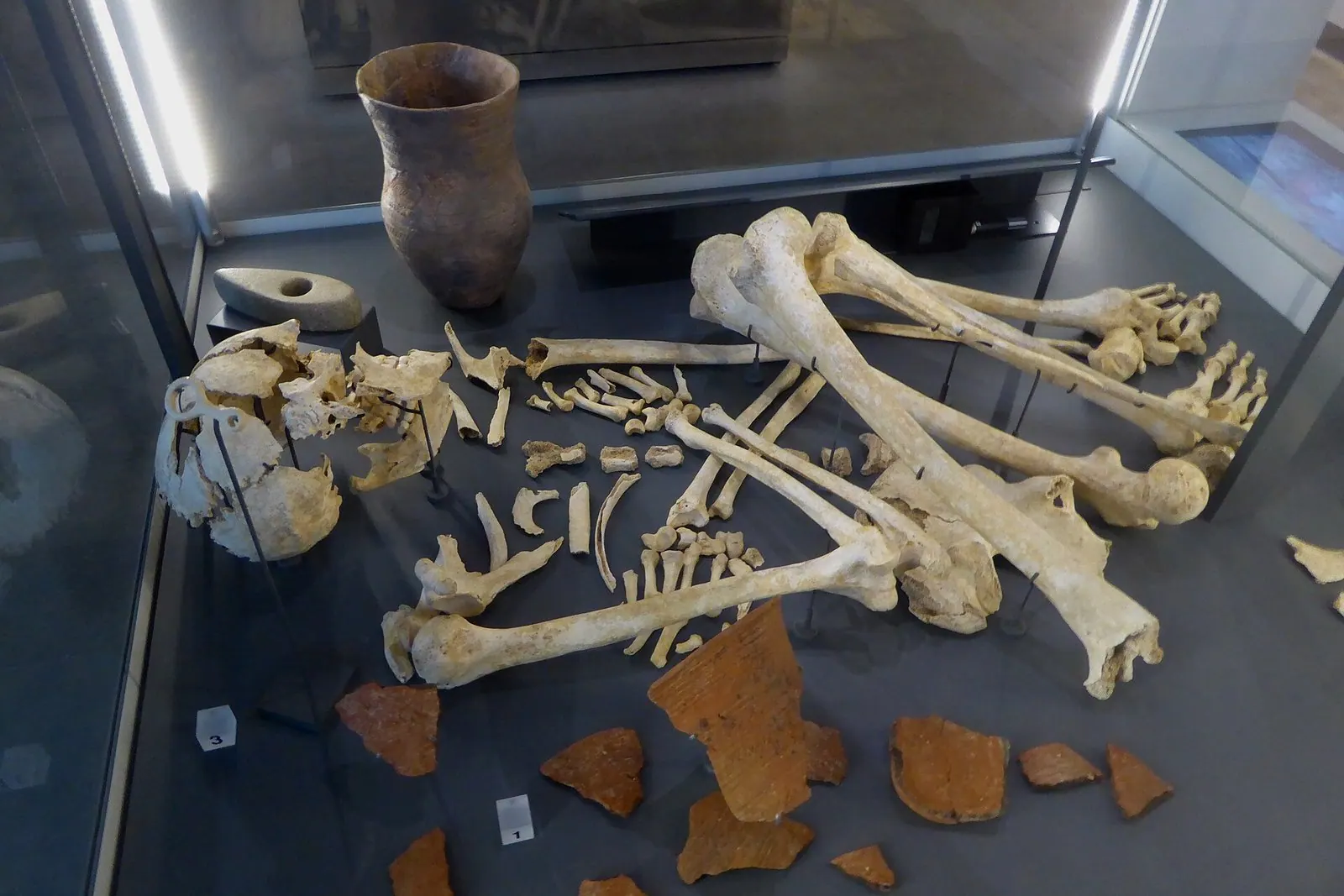
- The exhibition and the 5,500-year-old man · about 30 minutes
More than 250 objects found in the landscape. There is also a reconstructed face of a man who lived about 5,500 years ago, based on bones found near Stonehenge.
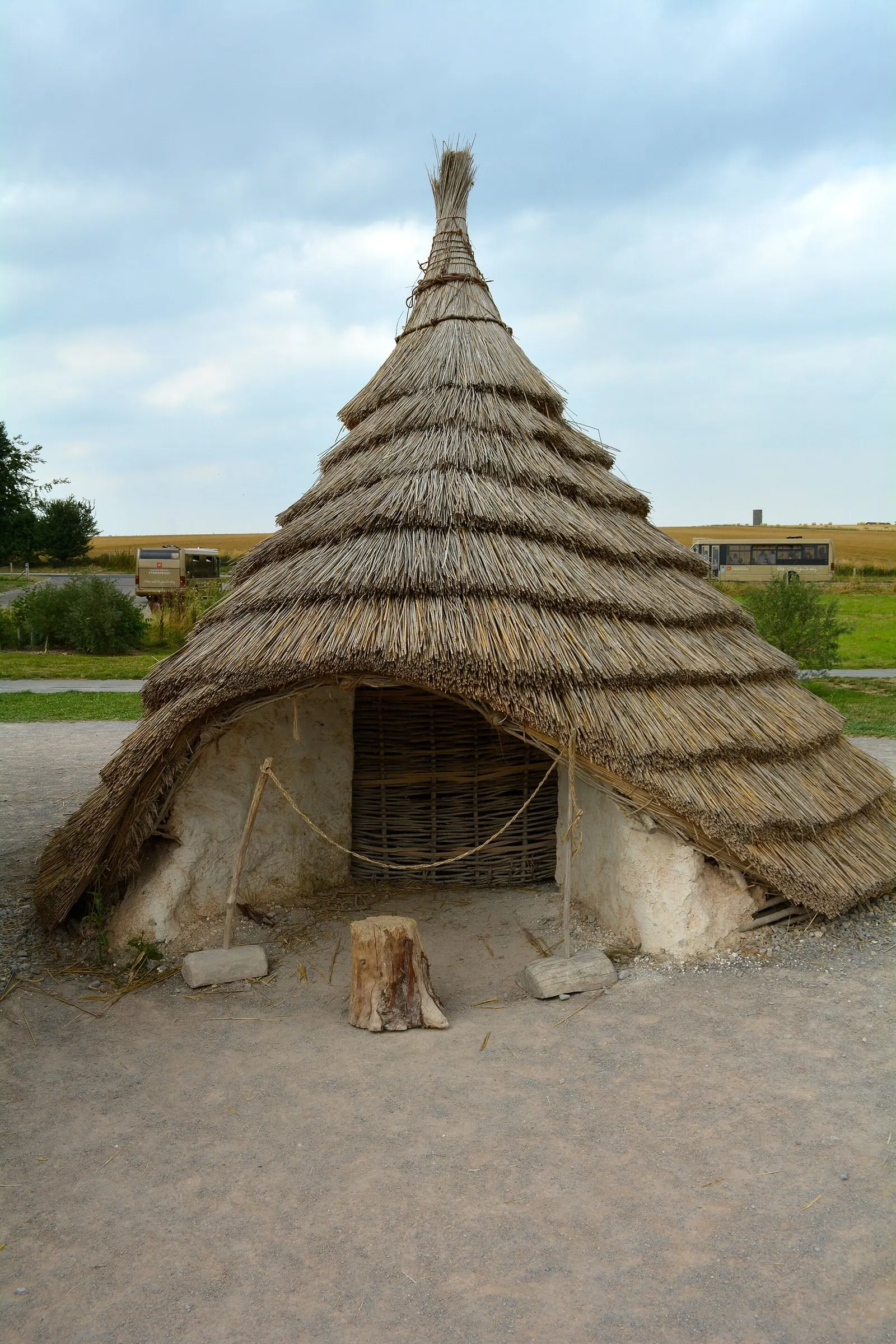
- The Neolithic houses · about 20 minutes
Recreated Neolithic houses just outside the visitor centre, with white chalk walls and thatched roofs.
- Shuttle bus to the stones · about 10 minutes
- The stone circle path · about 40 minutes
A path goes all the way around the circle.
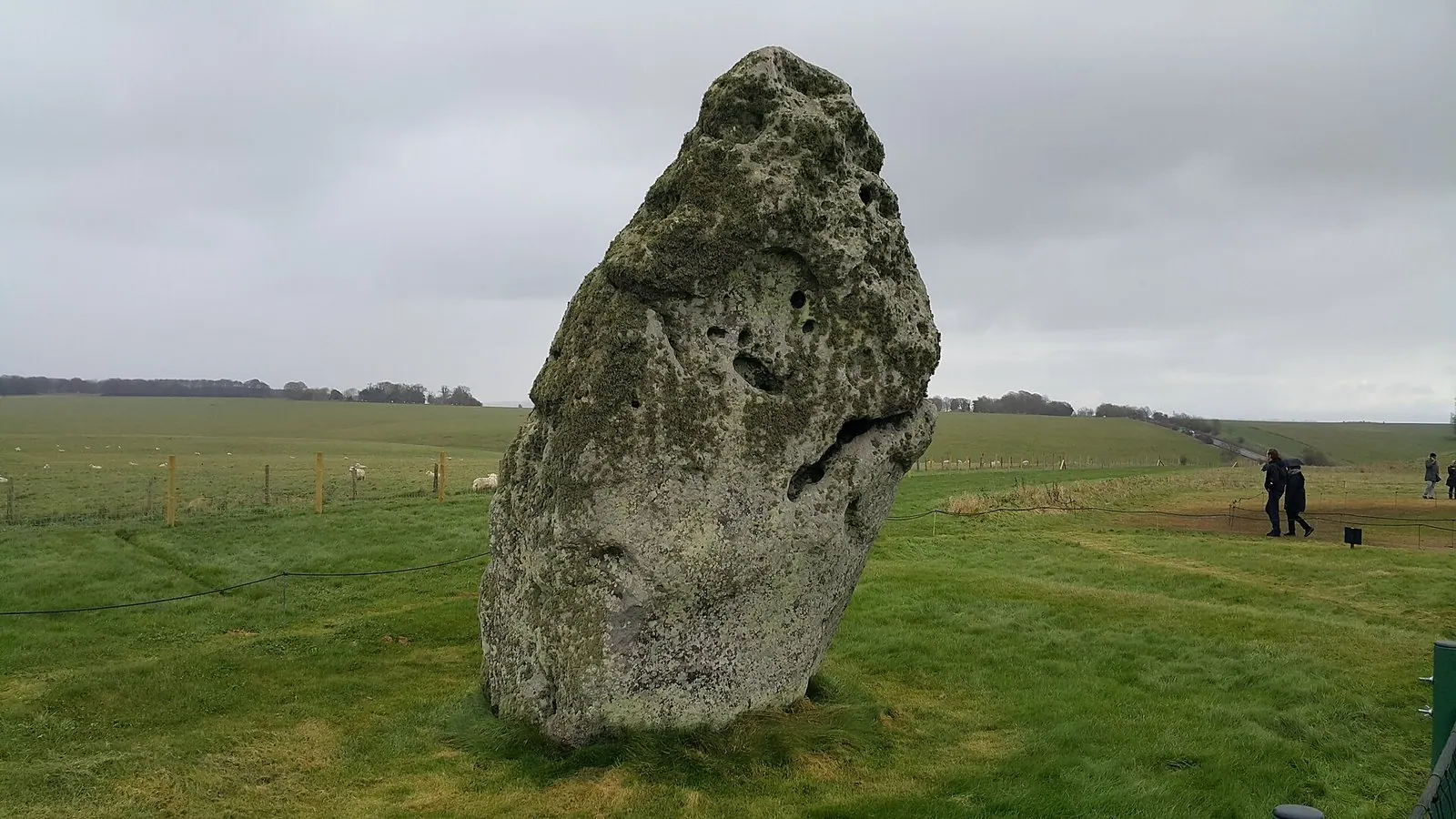
- The trilithons and the Heel Stone · about 20 minutes
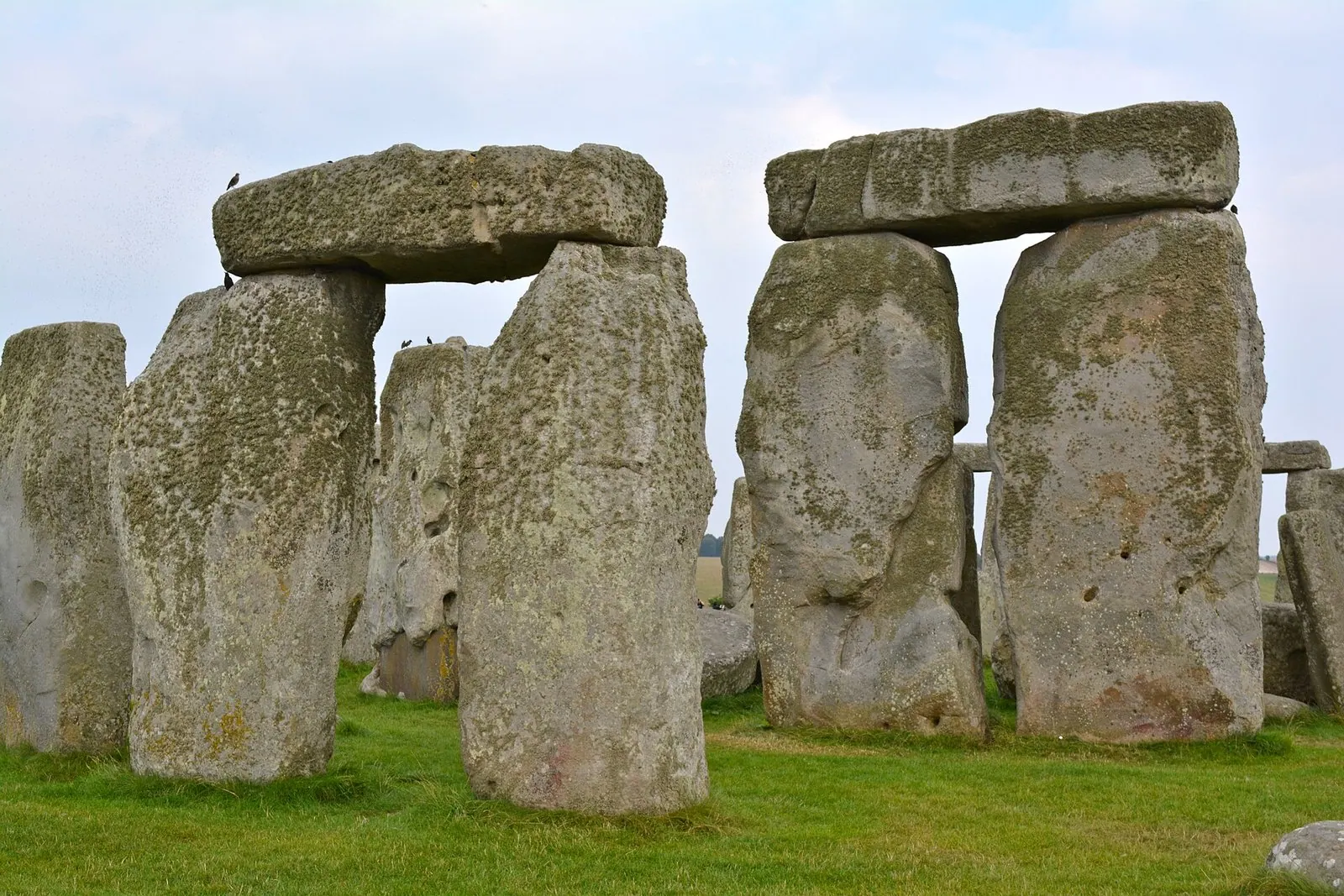
A trilithon is a pair of upright stones with a stone across the top. The Heel Stone is an unshaped stone that marks the midsummer sunrise.
- Shuttle bus back · about 10 minutes
The plan adds up to about 2 hours 10 minutes, with room to linger at the stones.
Does it fit?
Yes, it is worth the journey if you want to see an ancient monument in its own landscape. You get a ring of giant stones, an exhibition of more than 250 objects and recreated Neolithic houses. On a normal ticket you do not walk among the stones, because the path comes within about 5 metres of them in places.
- Book your ticket ahead.
- The stones stand in open country with no shelter, so wrap up warm and wear sensible shoes.
- There is no toilet at the stones. The toilets are at the visitor centre.
A simpler alternative: Want to see more than the stones? Choose a relaxed day bus tour from London, and see more in one day with no planning.
Make the most of it.
Give most of your time to the stones. They are why people come. Picture the large sarsen stones of the outer circle, many topped by horizontal lintels. They stand in open country under a wide sky. An average sarsen weighs about 25 tons, and the smaller bluestones came from the Preseli Hills in Wales.
If time allows
- A walk along the route between the visitor centre and the stones, which passes Bronze Age burial mounds. The shuttle buses stop at Fargo Plantation, about halfway, so you can walk part of the way.
- The Stone Circle Experience, a separate visit outside normal opening hours that lets you go inside the circle. It has very few places.
If time is short, skip
- Short of time? Keep the stones and the exhibition, and take the shuttle both ways.
- Cold or wet? Spend longer in the exhibition and the visitor centre, and keep the circle path short.
Starting point and assumptions.
Starting from: Central London, by road, or by train to Salisbury and then on to Stonehenge.
- You start in London and come back the same day.
- The journey by road from central London takes around 2 hours.
- Tickets should be booked in advance.
- A visit combines the stone circle, an exhibition and the Neolithic houses.
Based on: Checked on 7 November 2026 against English Heritage's Stonehenge pages. Look up opening hours and ticket arrangements for your date.
Access, opening and return conditions.
- On a normal ticket you stay on the path around the circle. You cannot walk among the stones.
- The stones have no shelter, so the weather matters. Bring warm layers whatever the season.
- There is no cloakroom or left luggage, and bags may be searched when you arrive.
Bath and Stonehenge day trips from London
Read next
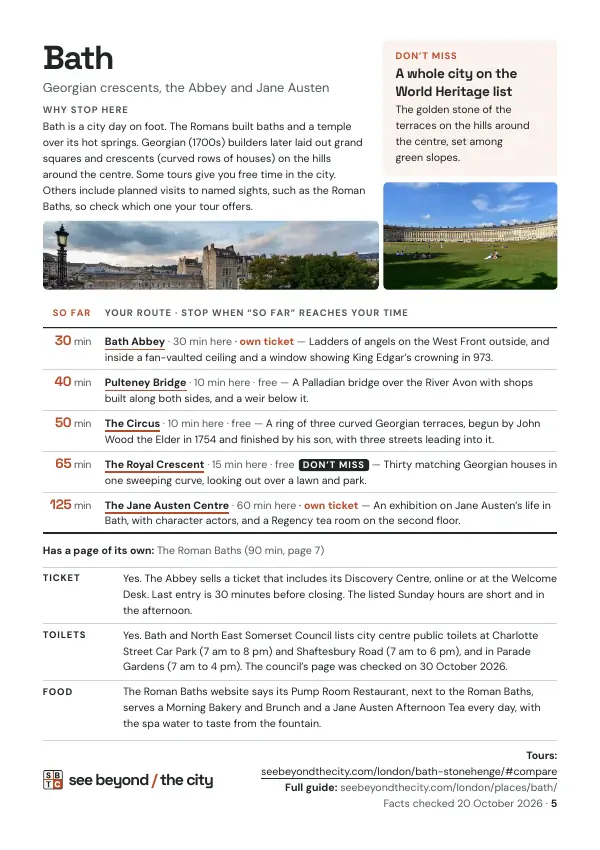
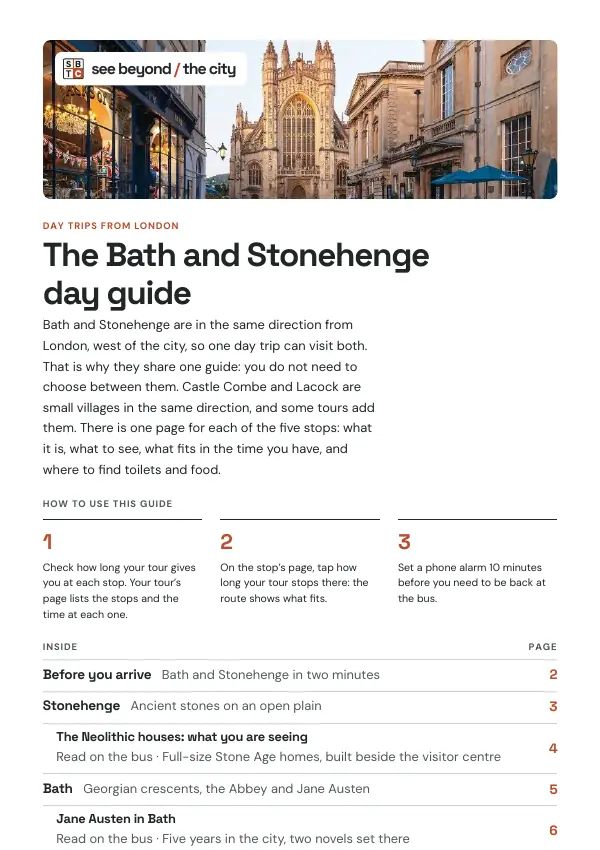

Free day guide
Get the free Bath and Stonehenge day guide
Each stop gets a page of its own in the guide, with what to see in 30, 60 or 90 minutes, and where to find toilets and food.
Check your email
We sent the guide to . Check spam if you don’t see it in a few minutes.
You have the Bath and Stonehenge guide
It is in your email: “Your free day guide from See Beyond the City”.
Next step.
Picture credits and sources
Sources
Checked on 7 November 2026.
- English Heritage: Stonehenge, plan your visit (opens in a new tab)
- English Heritage: Stonehenge questions and answers (opens in a new tab)
- English Heritage: building Stonehenge (opens in a new tab)
- English Heritage: Stonehenge glossary (opens in a new tab)
- English Heritage: Stonehenge exhibitions (opens in a new tab)
- English Heritage: Neolithic houses (opens in a new tab)
- English Heritage: Stonehenge access (opens in a new tab)
- English Heritage: Stone Circle Experience (opens in a new tab)
Pictures
Image sources and credits are listed here. Pictures made with AI are marked.
Tour photographs are provided by the tour operators through Viator and are shown from Viator’s own image servers.
- Photo by Diego Delso (CC BY-SA 4.0 (opens in a new tab)). See the original photo: The Stonehenge stone circle on a grassy plain, with upright stones topped by horizontal lintels and a few visitors at its edge under a partly cloudy sky (opens in a new tab)
- Photo by Nickmen2 (CC BY-SA 4.0 (opens in a new tab)). See the original photo: The Heel Stone, a tall lichen-covered stone on open grass, with fields, a few sheep and two walkers behind under a grey sky (opens in a new tab)
- Photo by TobyEditor (CC BY 4.0 (opens in a new tab)). See the original photo: Two trilithons at Stonehenge, each a pair of tall upright stones topped by a horizontal stone, covered in yellow-green lichen against a pale sky (opens in a new tab)
- Photo by TobyEditor (CC BY 4.0 (opens in a new tab)). See the original photo: A reconstructed Neolithic house with a steep thatched roof and pale chalk walls, a tree stump at its doorway and buses on the road behind (opens in a new tab)
- Photo by Ethan Doyle White (CC BY-SA 4.0 (opens in a new tab)). See the original photo: An ancient skeleton laid out in a museum display case, with a clay pot, a stone with a hole through it, and broken pottery pieces (opens in a new tab)