The real England, in one easy day from London
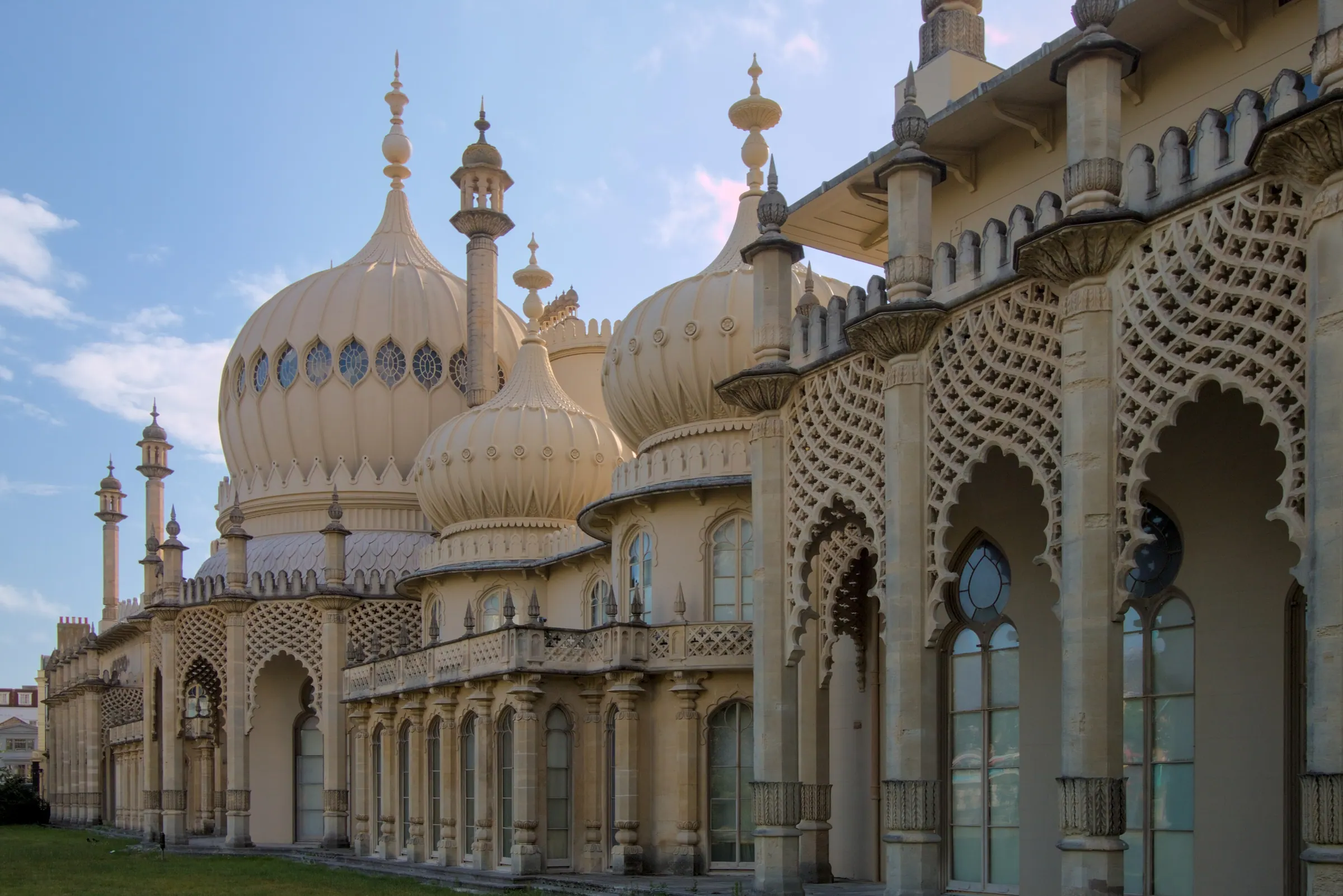
Cream onion domes and minarets of the Royal Pavilion beside a pierced stone screen on its garden front, under a pale blue sky.

A seaside palace built for a prince

Royal Pavilion

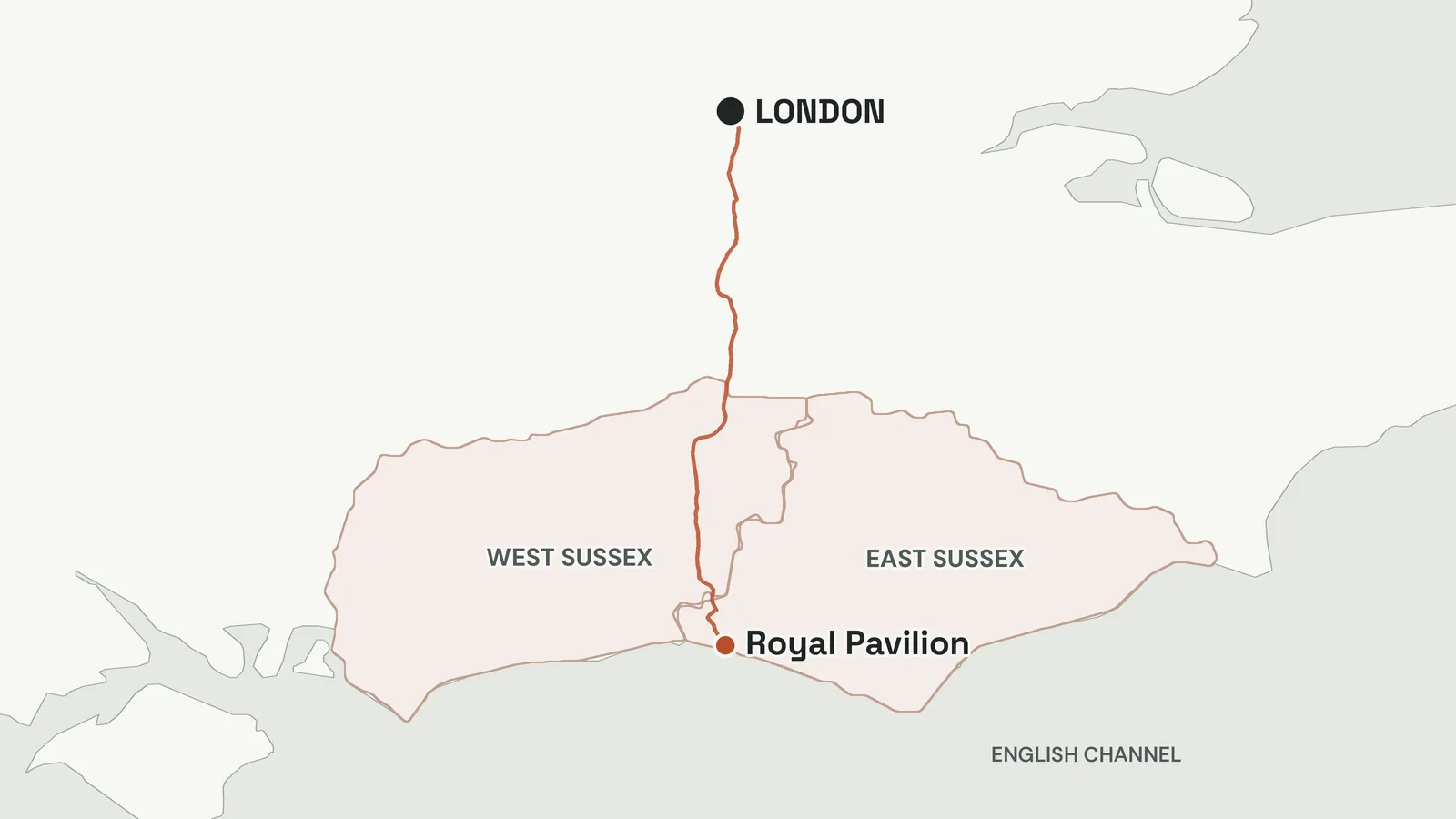
Royal Pavilion Garden, central Brighton · a day trip from London

See how long each tour stops in Royal Pavilion →

Why it matters

Why the Royal Pavilion matters.

A prince built this palace by the sea, and it helped make Brighton a fashionable resort. Here are four stories about it, each tied to something you can see.

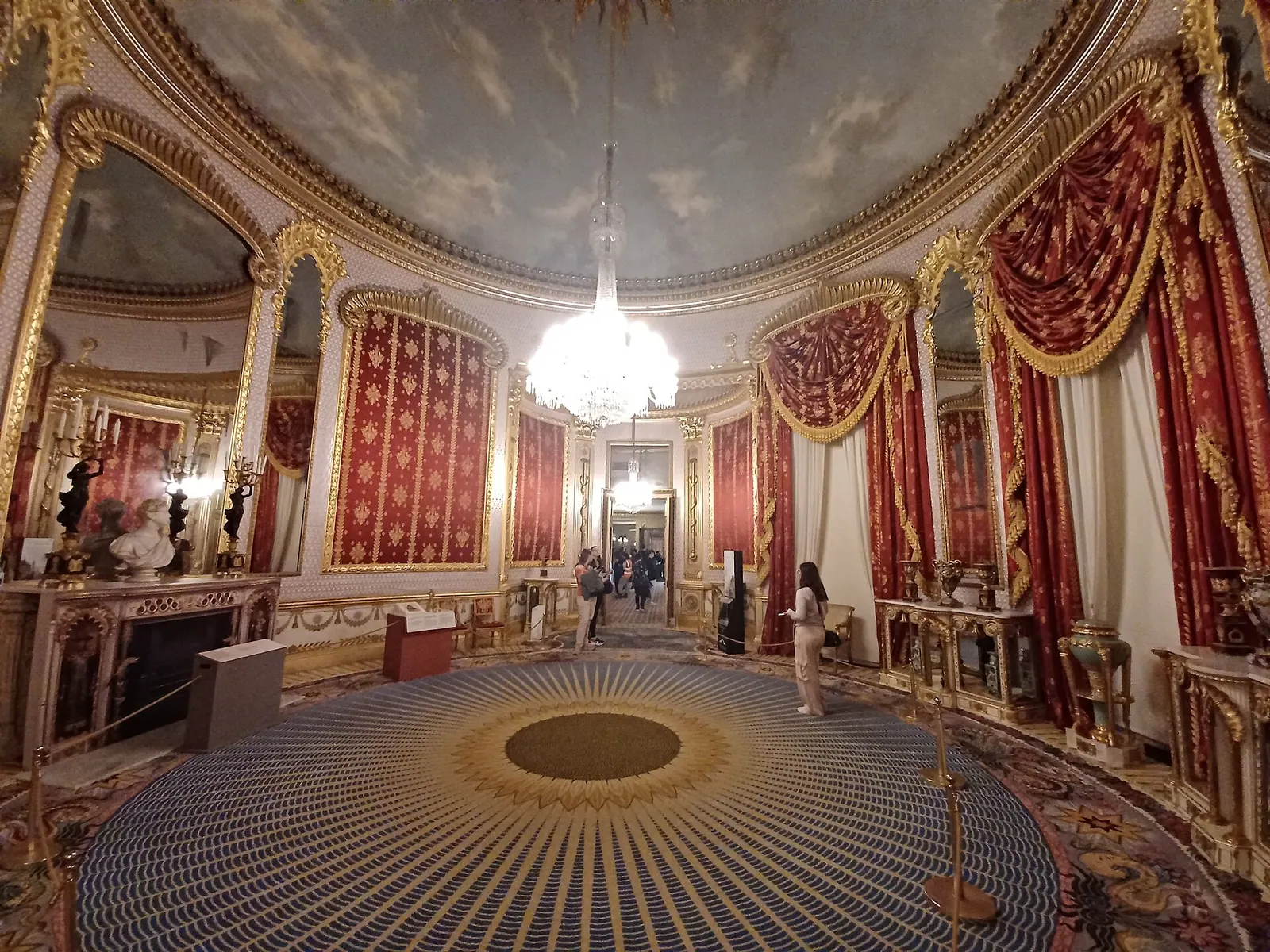
An oval room in the Royal Pavilion with red and gold wall panels, mirrors, a sky-painted ceiling and a crystal chandelier, with a few visitors

01

A prince's house by the sea

In the 1780s a young prince rented a lodging house here, and it grew into a palace.

George, Prince of Wales, rented a small house in Brighton in the mid 1780s. His doctors had told him to try the sea-water treatments that were fashionable there. He later hired the architect Henry Holland to turn it into a villa. In 1811 George became Prince Regent (he ruled in place of his father, George III, who could not rule). In 1815 he asked John Nash to rebuild the house as a palace.

Look for

The Saloon, the round room at the centre. It is one of the oldest parts of the palace.
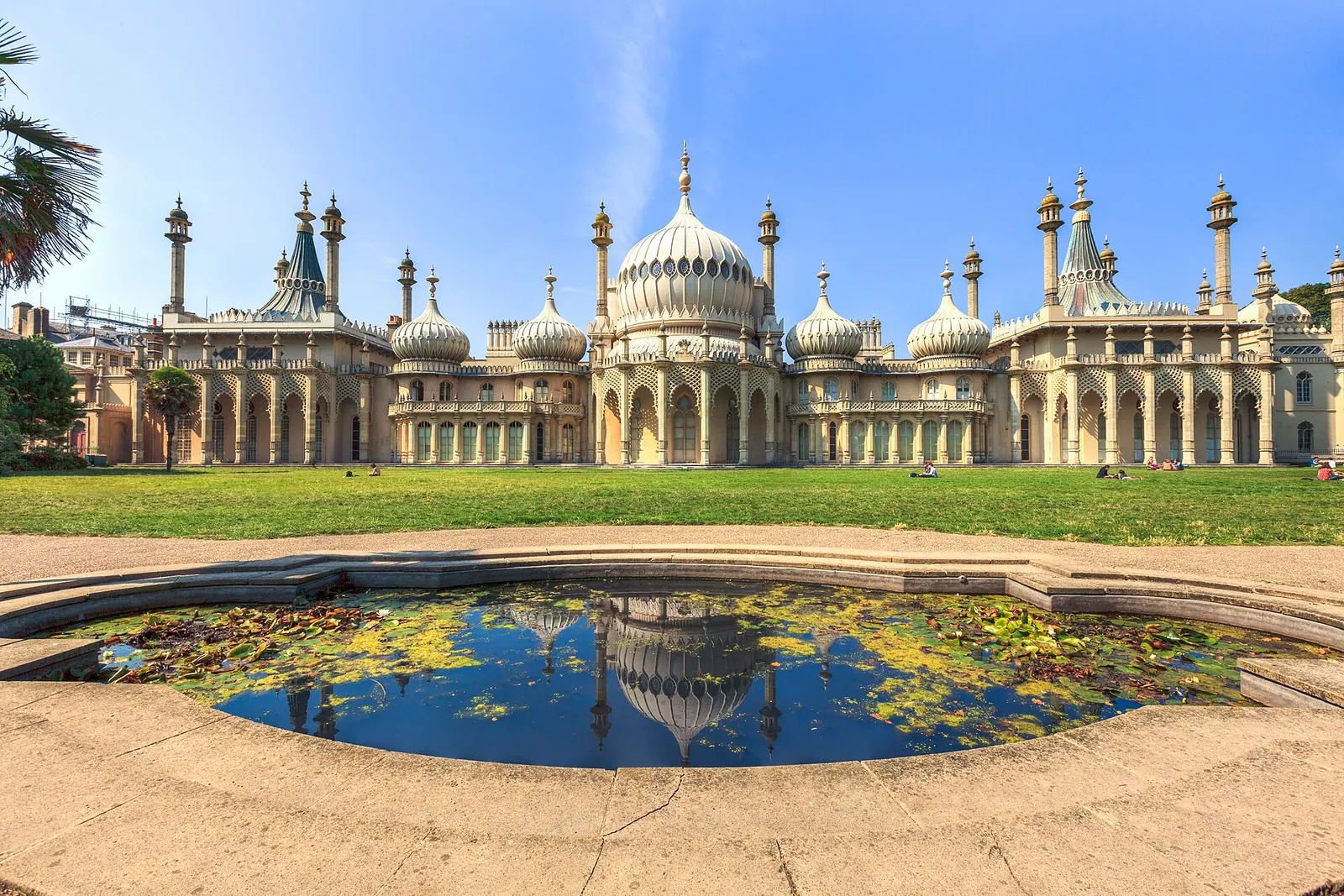
The Royal Pavilion's wide front with domes and minarets above a green lawn, reflected in a lily pond.

02

Domes and minarets by Nash

John Nash gave the palace the Indian-inspired look it has today, and hid an iron frame inside.

From 1815 Nash added domes, minarets (thin towers) and pinnacles (small pointed tops) to the old house. A cast iron frame holds up the shapes. Historic England says the pointed window arches were inspired by Mughal buildings (from the Mughal empire in India). The same shapes repeat on every wall. It dates the building's present look to work between 1814 and 1823.

Look for

The large onion dome (a rounded dome with a point) over the Saloon, with a minaret at each corner.

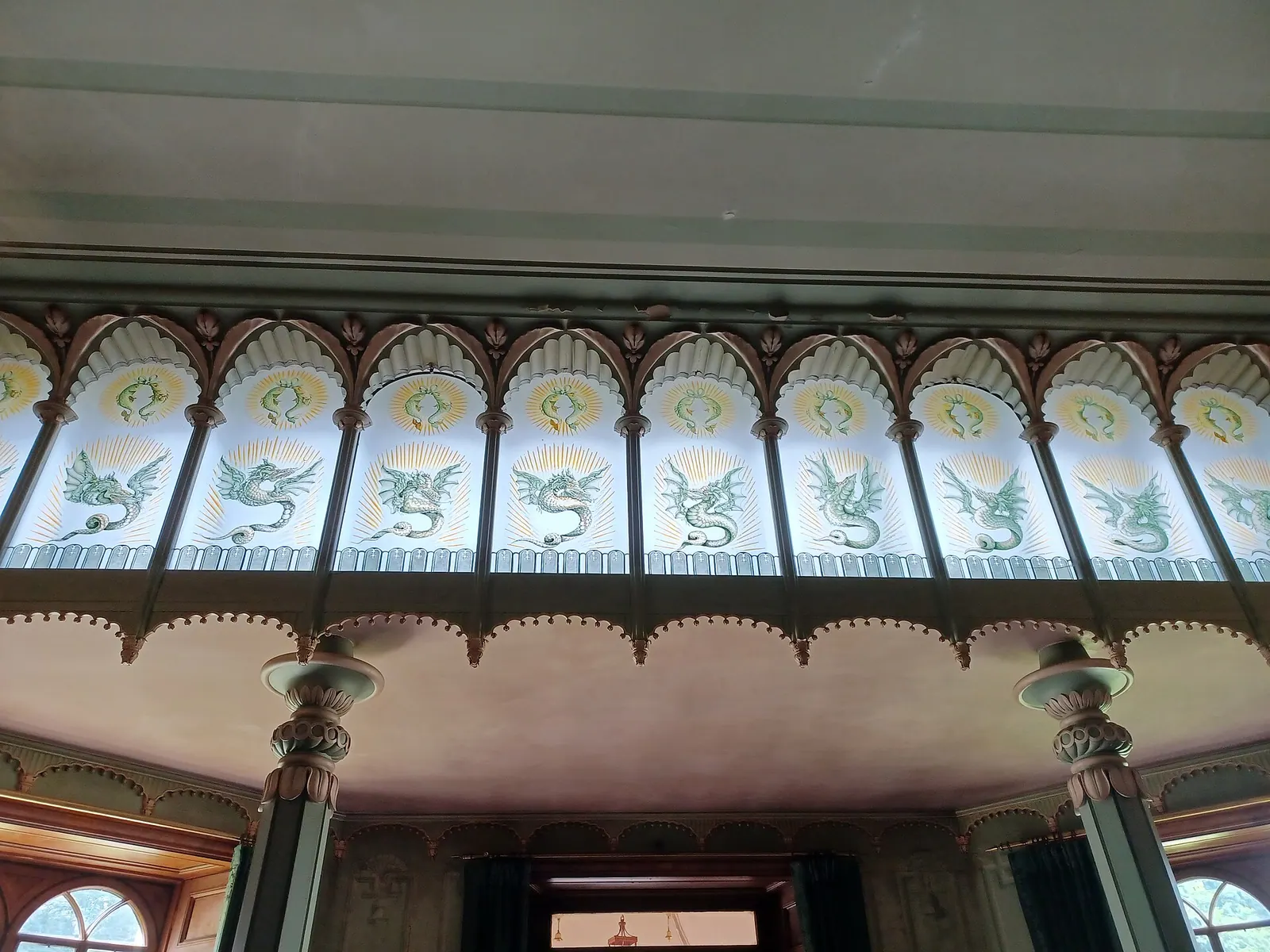
A row of pointed arches filled with backlit glass panels painted with green dragons, above an ornate scalloped cornice.

03

Chinese rooms and royal feasts

Inside, the rooms are in a Chinese-inspired style, made for grand parties.

The style inside is chinoiserie (Chinese-inspired design made for European buyers). The Banqueting Room has a chandelier 9.1 metres long, with six silvered dragons. Dinner was served at 6 pm, and guests could be offered up to 70 dishes. The Music Room has a domed ceiling, built so that music sounded its best, and the King kept a private band.

Look for

The chandelier in the Banqueting Room, and the silvered dragons in the Music Room.

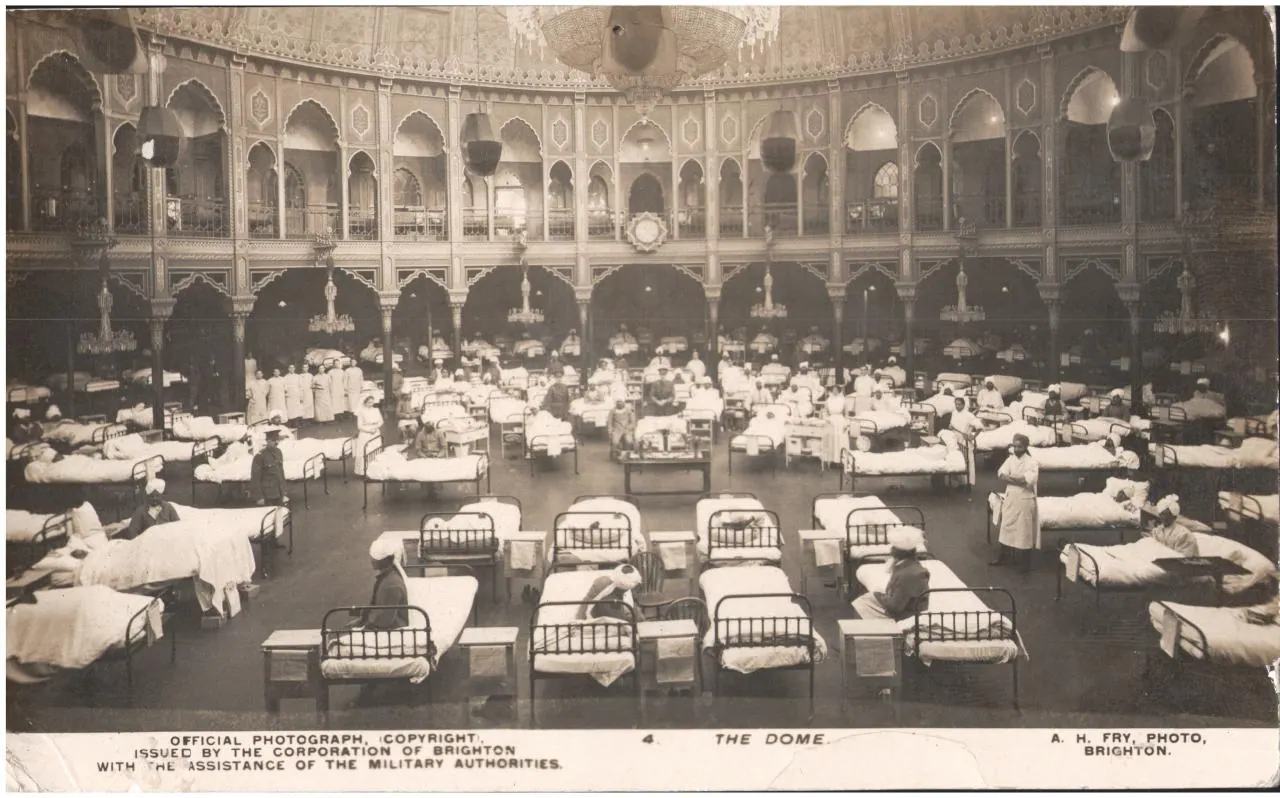
Rows of hospital beds beneath the Royal Pavilion's ornate Dome, used as a First World War hospital for Indian soldiers, on a postcard sent in May 1915

04

A hospital for Indian soldiers

In the First World War the grand palace became a hospital.

The town of Brighton bought the palace from Queen Victoria in 1850. In 1914 it became a hospital for Indian soldiers wounded on the Western Front. The State Rooms were emptied and filled with beds, but the chandeliers stayed. Staff made separate kitchens and places of worship for the different faiths. Later it also treated British soldiers who had lost arms or legs. It stayed a hospital until 1920.

Look for

The Indian Hospital Gallery on the first floor, and the Indian Gate on the south side of the garden.

Your time there

What to see.

These are the highlights worth looking out for, if your time allows. See how long each tour stops in Royal Pavilion →

Don't worry if your time is short. The palace has two floors, and these are the highlights, most important first. All the rooms are covered by the Pavilion's own entry ticket. Picture this: you stand under a chandelier 9.1 metres long, with six silvered dragons above the table.

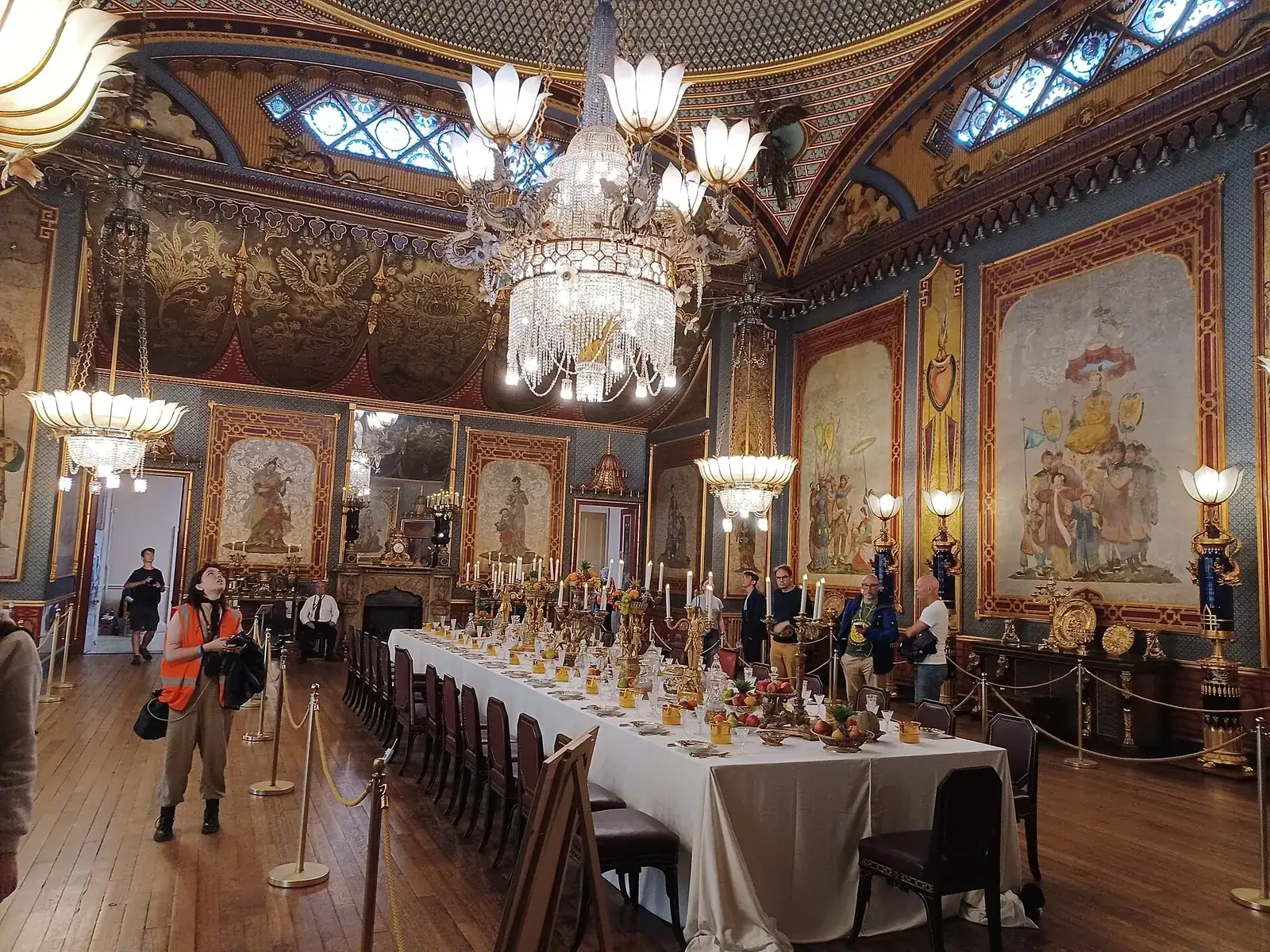
A crystal chandelier with lotus lamps hangs above a long set dining table in a painted Chinese-style room.
Don’t miss

The Banqueting Room

A chandelier 9.1 metres long with six silvered dragons, above a table set for a royal dessert.

About 10 min · Included in the entry ticket

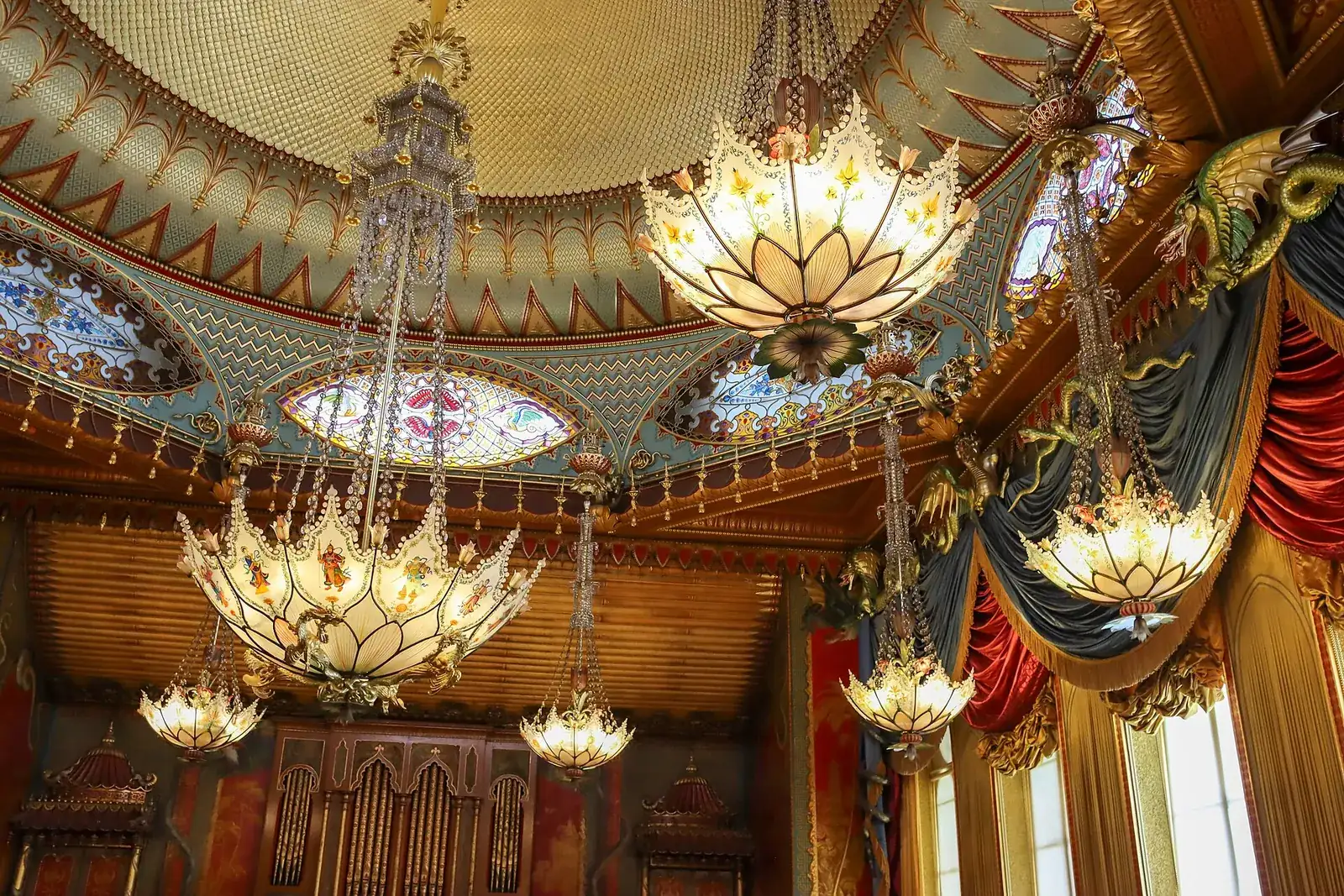
Looking up at a domed ceiling with lotus-shaped glass lamps, stained-glass ovals, gilded patterns and blue and red drapes.

The Music Room

Red and gold walls, silvered dragons and lotus-shaped chandeliers under a domed ceiling. The King's piano of 1821 is in the gallery next door.

About 10 min · Included in the entry ticket

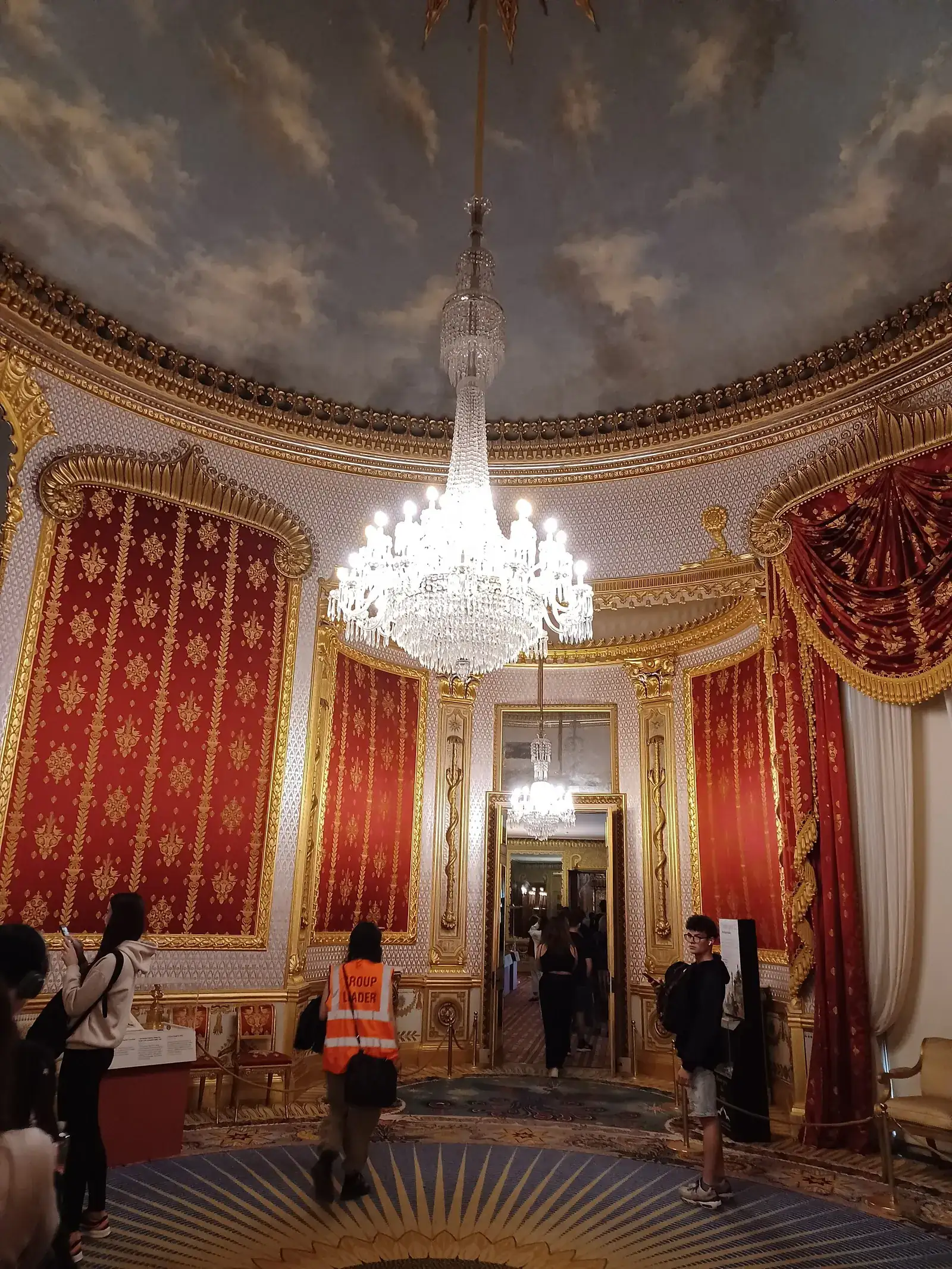
The Saloon in the Royal Pavilion: red silk wall panels framed in gold, a painted sky ceiling and a large crystal chandelier above visitors

The Saloon

The grandest room, in red, gold and blue, with hand-applied platinum leaf on pearl-white walls. It was restored in 2018 to its original design.

About 10 min · Included in the entry ticket

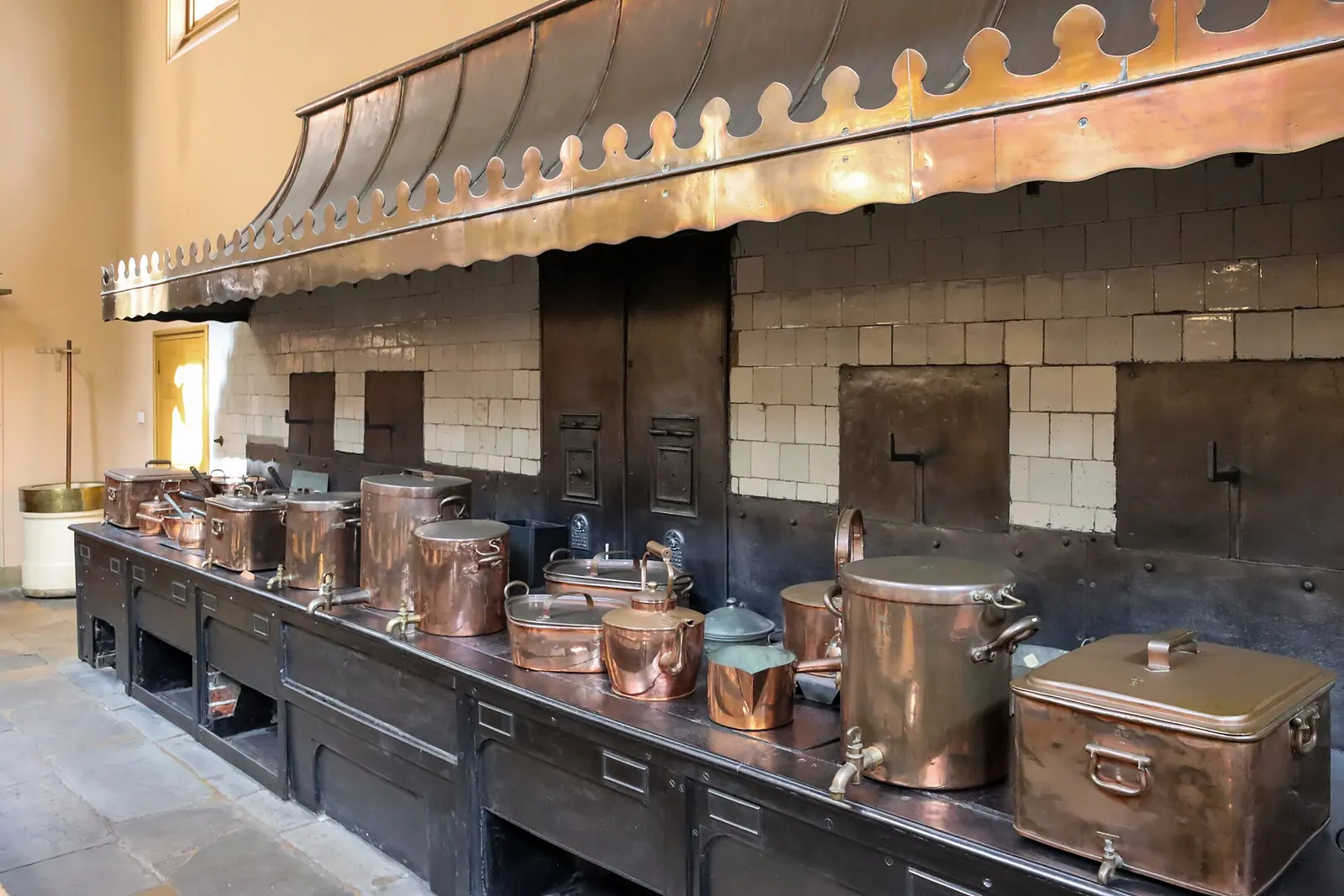
Copper pans and pots on a dark iron range beneath a large scalloped copper hood in a historic kitchen.

The Great Kitchen

The King's Kitchen, with iron columns topped by painted copper palm leaves, and an open fire that cooked five spit-roast meats at once.

About 10 min · Included in the entry ticket

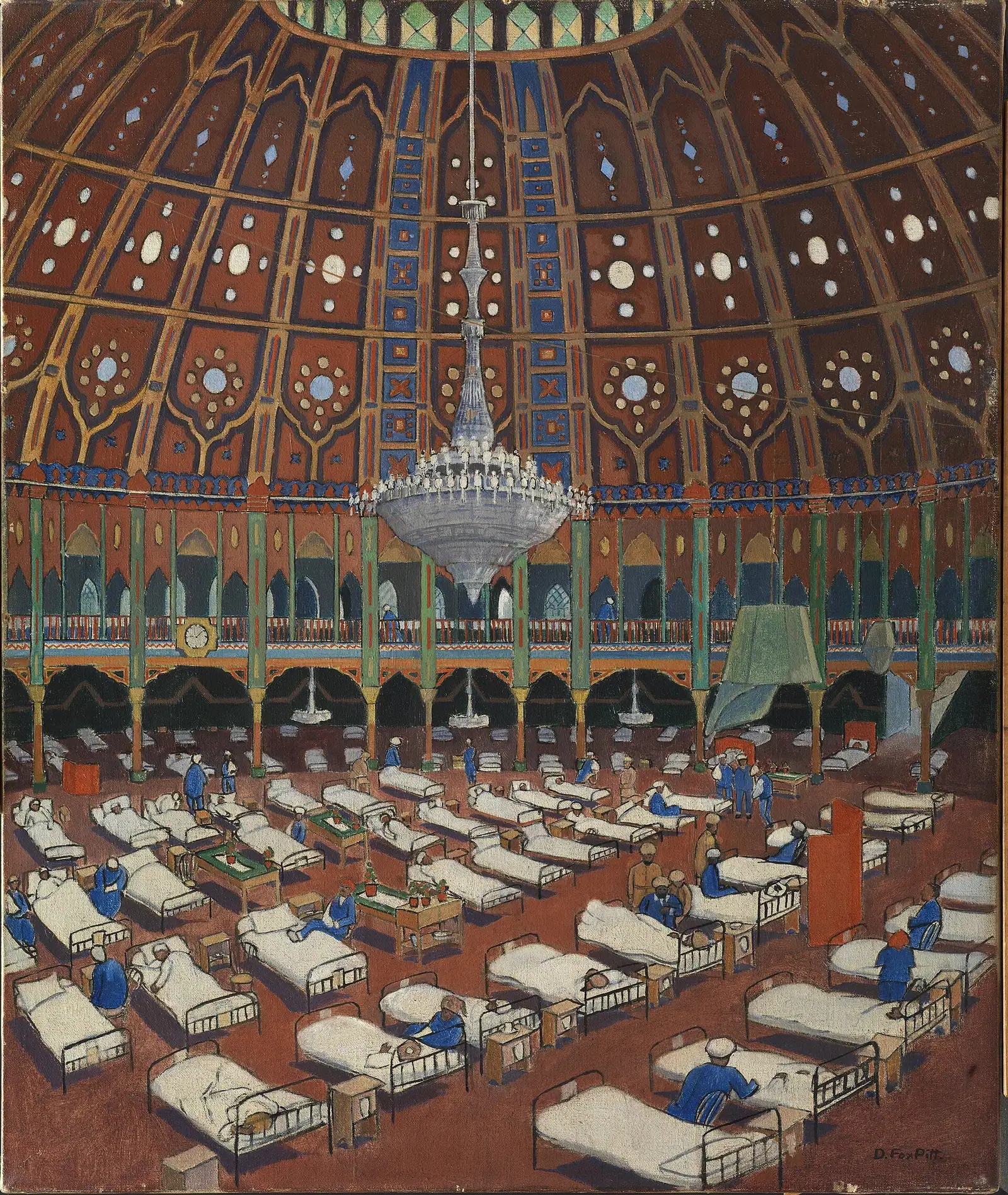
A painting of the domed hall as a hospital ward, with rows of white beds, a chandelier and figures in blue.

The Indian Hospital Gallery

Photographs, letters and film about the palace as a First World War hospital for Indian soldiers.

About 15 min · Included in the entry ticket

It is on the first floor, which is reached by stairs only. A video tour of the first floor is included in the audio guide (checked 30 October 2026).

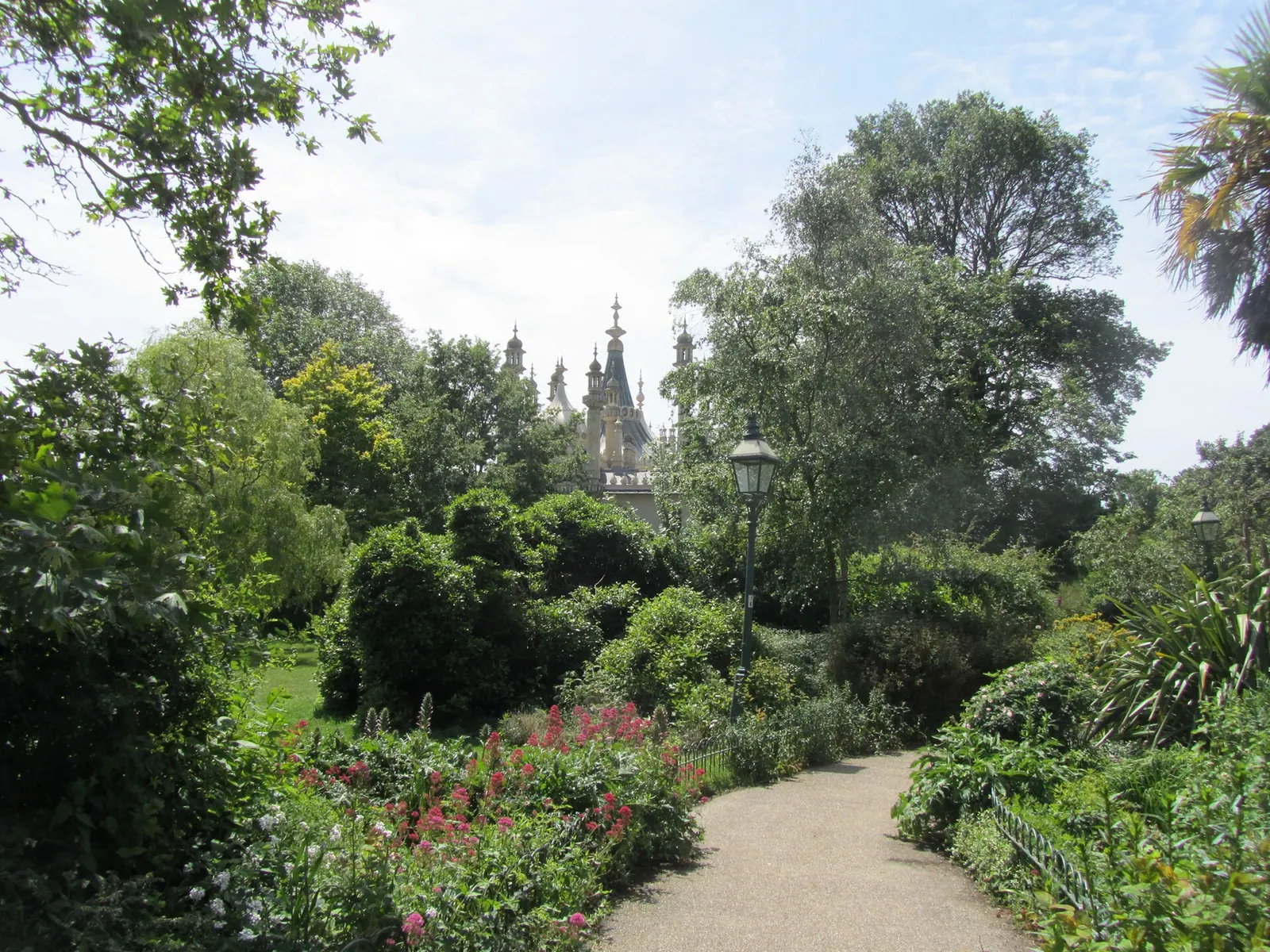
A path through the Royal Pavilion gardens, with flowers, shrubs and an old lamp post, and the Pavilion's pale domes behind the trees

The garden

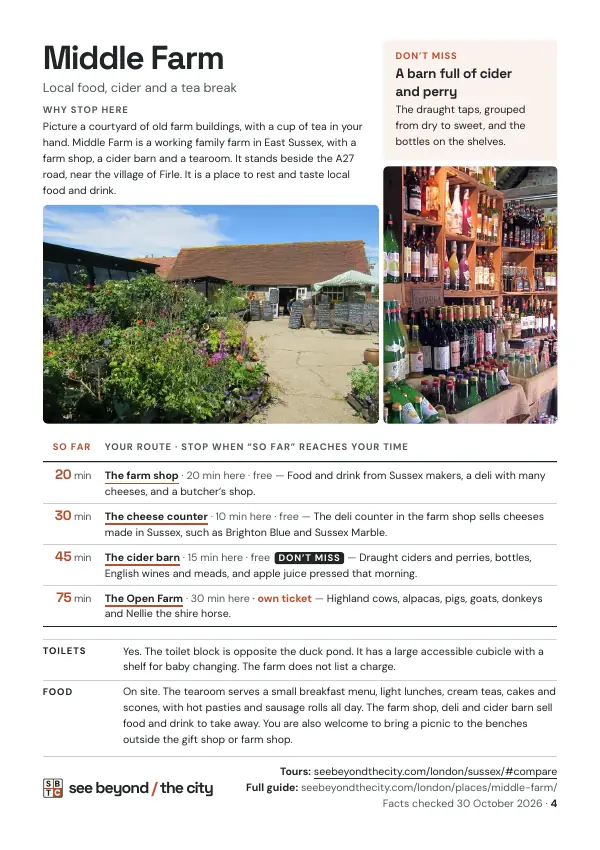
A garden designed by John Nash with winding paths and plants from China, now a calm green space beside the palace.

About 15 min · Free

1 of 6

Swipe for all six highlights →

Practical answers

Before you go.

The questions people ask before they book.

Can I see the Pavilion without a ticket?

Yes, from the outside. The garden is open to everyone. To go inside you need a ticket, sold on the door or online. An official tour runs every Saturday at 2 pm; check how to book it on the Pavilion's page (checked 30 October 2026). Brighton & Hove Museums: plan your visit to the Royal Pavilion → (opens in a new tab)

When is the Pavilion open?

From October to March it opens 10 am to 5.15 pm, with last admission at 4.30 pm (checked 30 October 2026). It is closed all day on 18 November 2026, from 2.30 pm on 24 December, and on 25 and 26 December and 1 January. Brighton & Hove Museums: plan your visit to the Royal Pavilion → (opens in a new tab)

What should I know before I go?

You need a ticket to go inside, and the first floor is reached by stairs only. The ground floor is accessible to wheelchair users. Brighton & Hove Museums: plan your visit to the Royal Pavilion → (opens in a new tab)

Is it wheelchair accessible?

Yes, on the ground floor, where the entrance is level and wheelchairs can be borrowed on request. The first floor has stairs only, and wheelchairs cannot be carried up. The audio guide includes a video tour of the first floor. Brighton & Hove Museums: plan your visit to the Royal Pavilion → (opens in a new tab)

Are there toilets?

Yes, inside. An accessible toilet is on the ground floor near the ticket desk, and more are in the basement (15 steps) and on the first floor. The garden toilets are closed at present (checked 30 October 2026). The council also lists public toilets at Royal Pavilion Gardens. Brighton & Hove Museums: plan your visit to the Royal Pavilion → (opens in a new tab)

Can I get a drink or a bite to eat?

No, not at the Pavilion. Its café is closed until further notice (checked 30 October 2026). The Lanes and North Laine are a few minutes' walk away, with many places to eat. Brighton & Hove Museums: plan your visit to the Royal Pavilion → (opens in a new tab)

Can I take a suitcase or large bag inside?

No. Suitcases and wheeled luggage must not go into the palace. A cloakroom with a charge is open the same hours as the Pavilion, and staff may ask to inspect bags (checked 4 November 2026). Brighton & Hove Museums: plan your visit to the Royal Pavilion → (opens in a new tab)

Are children and dogs welcome?

Yes for children. Under-13s must come with an adult, and prams and buggies are welcome on the ground floor. Guide, assistance and support dogs are welcome, with water bowls provided. For other dogs, ask the Pavilion before you go. Brighton & Hove Museums: plan your visit to the Royal Pavilion → (opens in a new tab)

Compare

Compare day trips from London.

Booking links earn us commission, at no extra cost to you. Viator handles the booking.

Compare all Seven Sisters and Brighton tours →

Free day guide

Get the free Sussex day guide

The guide has a page for each stop, with what to see in 30, 60 or 90 minutes, and where to find toilets and food.

Unsubscribe any time. Privacy

When to go

What changes through the year.

The palace is open most of the year, and the garden changes with the seasons.

Spring

In early spring the garden has flowering almond trees, quince and wild daffodils. Brighton & Hove Museums: the Royal Pavilion Garden → (opens in a new tab)

Summer

From April to September the palace opens from 9.30 am to 5.45 pm, with last admission at 5 pm. Volunteer Garden Greeters are in the garden in summer. Brighton & Hove Museums: plan your visit to the Royal Pavilion → (opens in a new tab)

Autumn

From October to March the palace opens from 10 am to 5.15 pm, with last admission at 4.30 pm. In autumn the garden has hydrangeas, chrysanthemums and tiger lilies. Brighton & Hove Museums: plan your visit to the Royal Pavilion → (opens in a new tab)

Winter

The Royal Pavilion is closed on 25 and 26 December and 1 January, and from 2.30 pm on 24 December. Brighton & Hove Museums: plan your visit to the Royal Pavilion → (opens in a new tab)

The Royal Pavilion is closed all day on 18 November 2026 for a private event (checked 30 October 2026). Check the official page for your date. Brighton & Hove Museums: plan your visit to the Royal Pavilion → (opens in a new tab)

A taste and a keepsake

A souvenir from the palace, and local things to try.

The palace café is closed, but the shop and the nearby city have local things to take home. Check opening times before you go.

Just ideas for any free time you get.

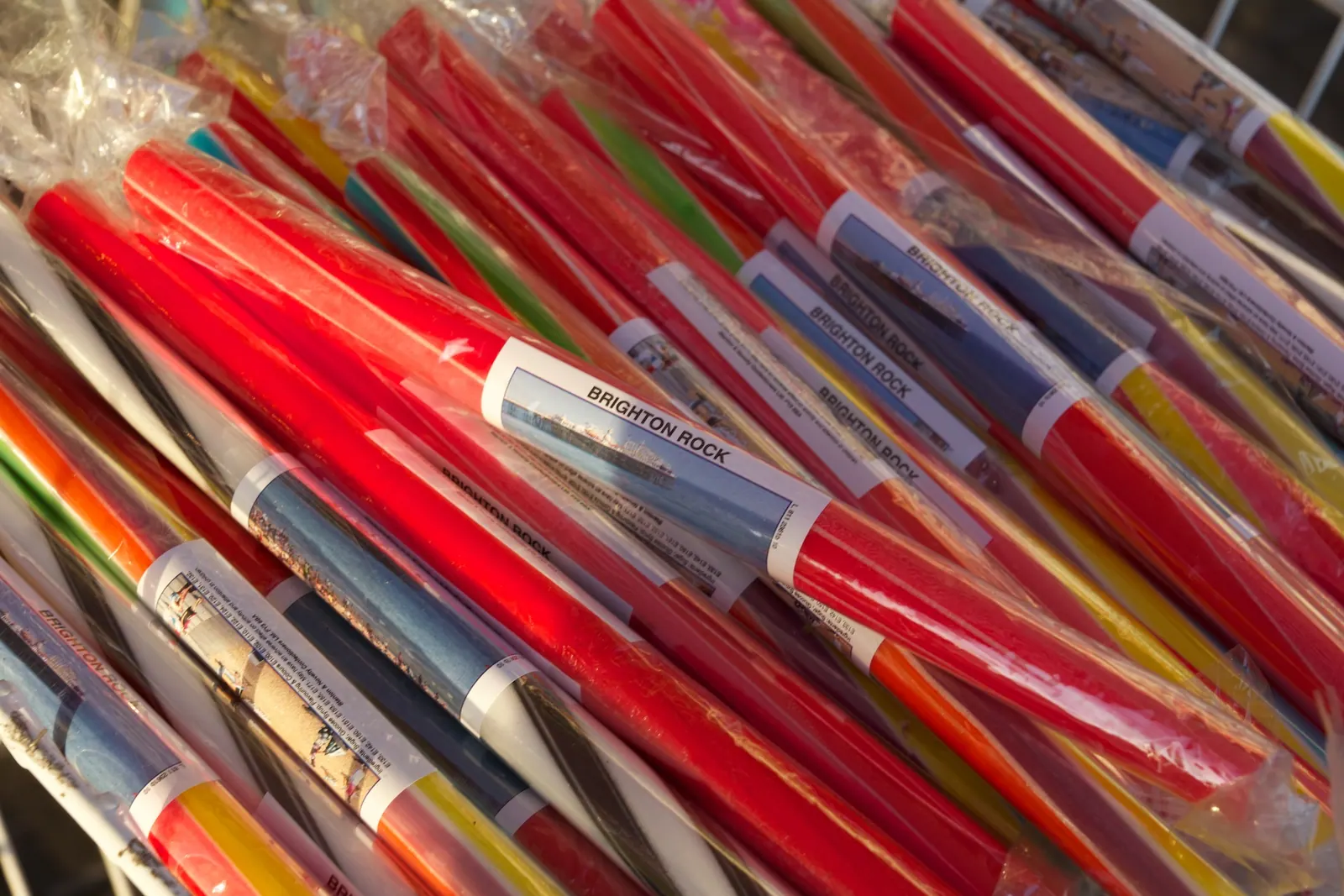
A heap of cellophane-wrapped sticks of rock in red, yellow and blue stripes, with Brighton Rock labels.
Illustrative
Take home

A stick of Brighton rock

Brighton & Hove Museums sells a rainbow-striped stick of rock, which it calls a traditional Brighton sweet. It is a small, light souvenir.

Where to find itSold in the museums' online shop. Ask whether the Pavilion shop has it.

Five gin bottles with coloured labels stand in a row on a pale surface against a plain purple background.
Illustrative
Taste

Brighton Gin

Brighton Gin is made with organic grain spirit, juniper, orange and lime peel, and local coriander seed. Its blue-green bottles match the colour of Brighton's seafront railings.

Where to find itFor adults only, aged 18 or over.

Also in Seven Sisters and Brighton

Picture credits and sources

Pictures

Image sources and credits are listed here. Pictures made with AI are marked.

Tour photographs are provided by the tour operators through Viator and are shown from Viator’s own image servers.