The real England, in one easy day from London
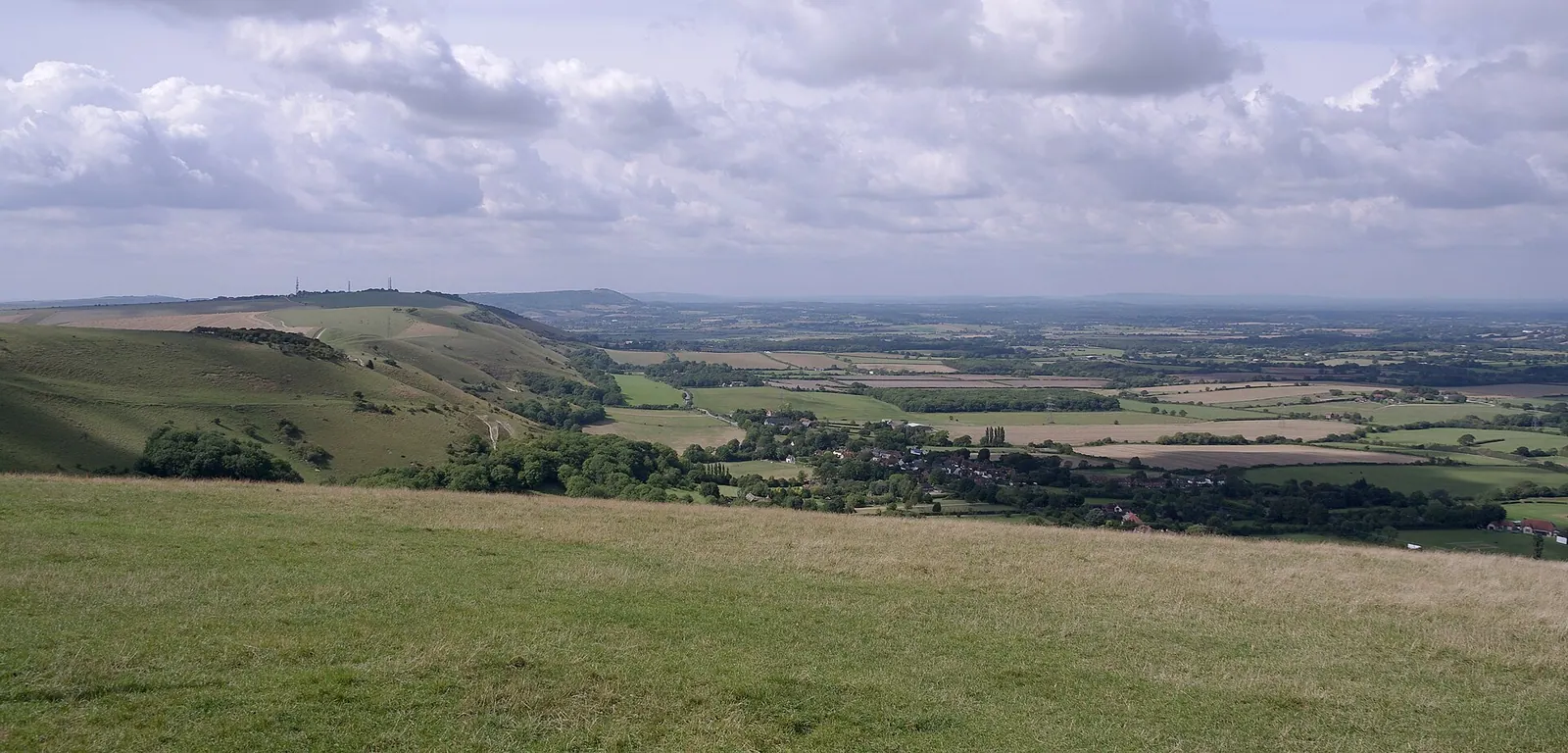
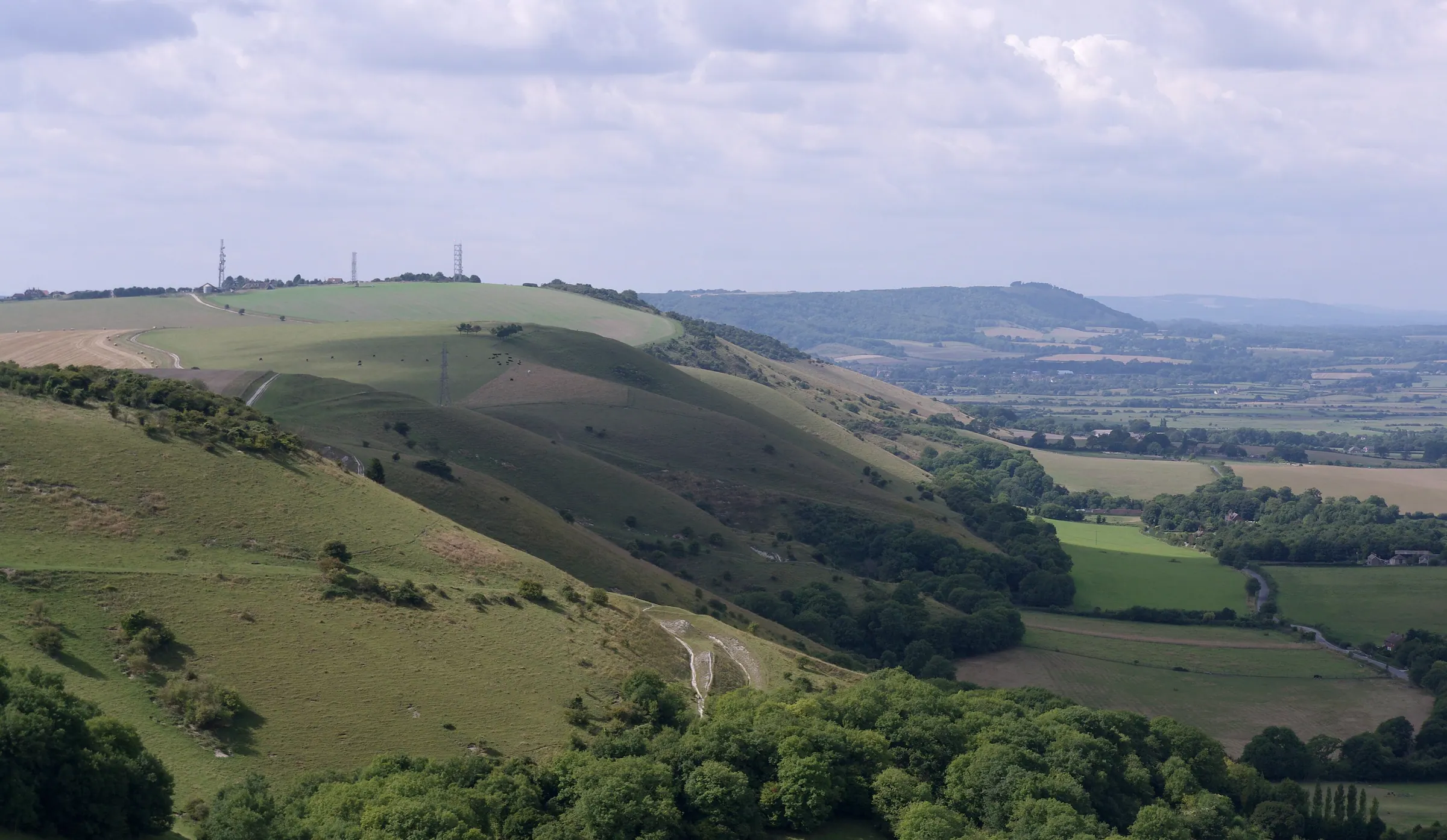
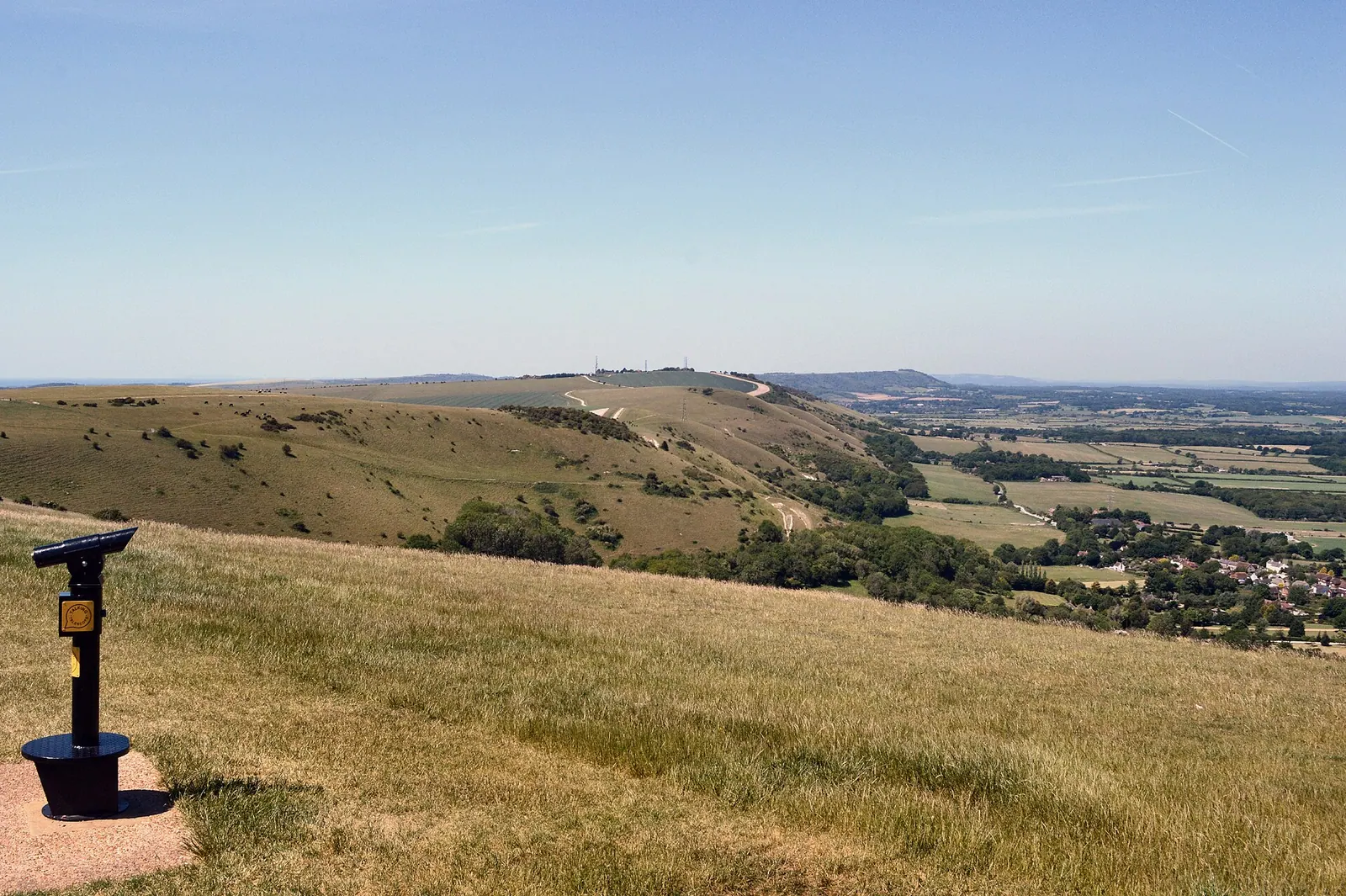
Green downland spur with radio masts on the skyline above a patchwork of fields and woodland, under cloud.

A giant dry valley on the South Downs

Devil's Dyke

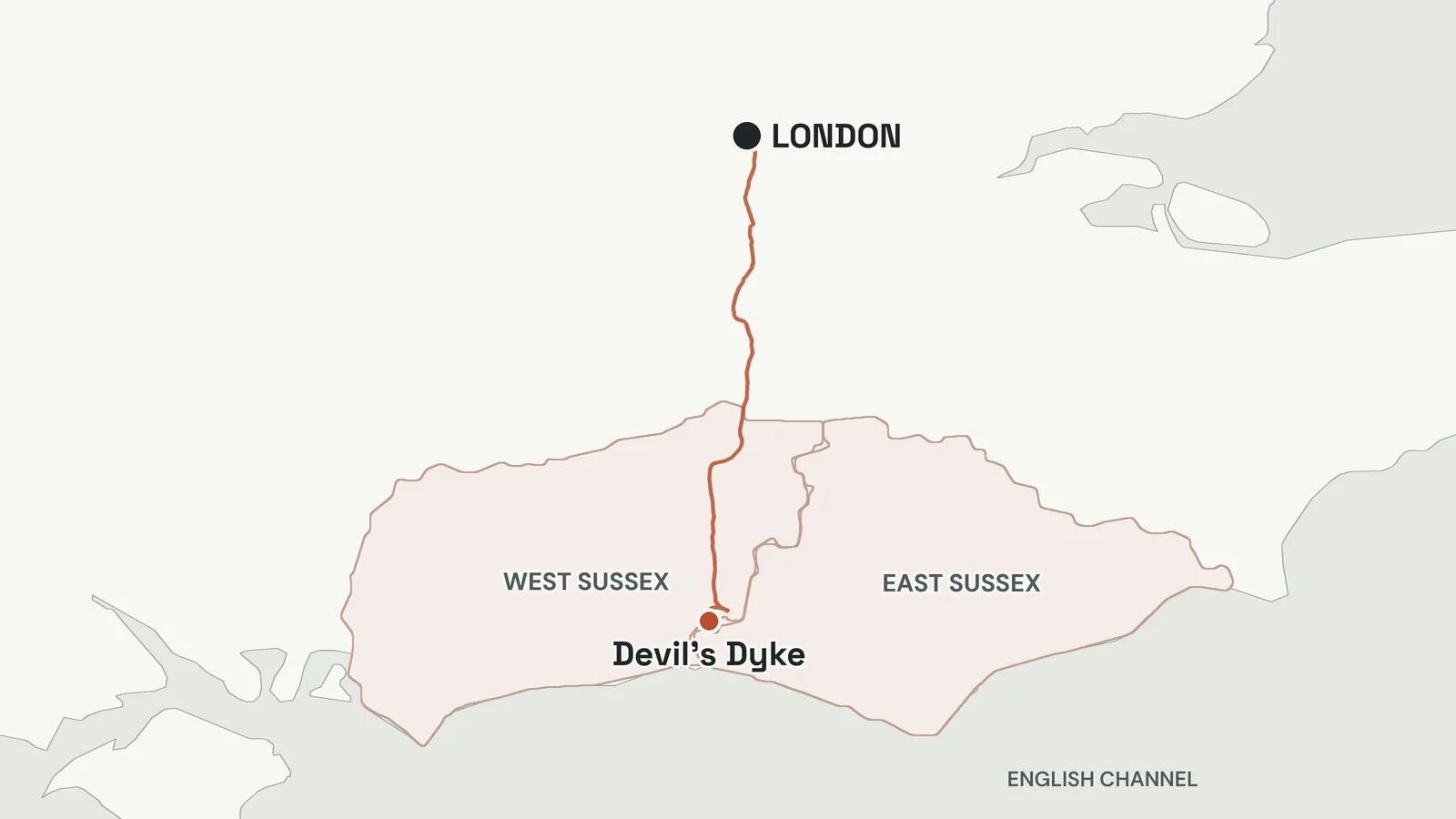
South Downs, north of Brighton · a day trip from London

See how long each tour stops in Devil's Dyke →

Why it matters

Why Devil's Dyke matters.

Devil's Dyke is a giant valley with a legend, a hill fort and a Victorian funfair story. Here is what to look for when you are there.

A coin-operated telescope on a post on a dry grassy hilltop, looking out over a wide patchwork of fields.

01

A very large dry valley

The Dyke is a valley with no river in it, and it is huge.

The National Trust says the valley is nearly a mile long, and the longest, deepest and widest dry valley in the UK. Scientists believe the last Ice Age (the last very cold period) formed it. Above it are the earth banks of an Iron Age hill fort (a fortified hilltop settlement, over 1,900 years old). Historic England says it has wide views of the countryside to the north and the Channel coast to the south.

Look for

The steep sides of the valley, and the banks of the hill fort as you walk round the hill.
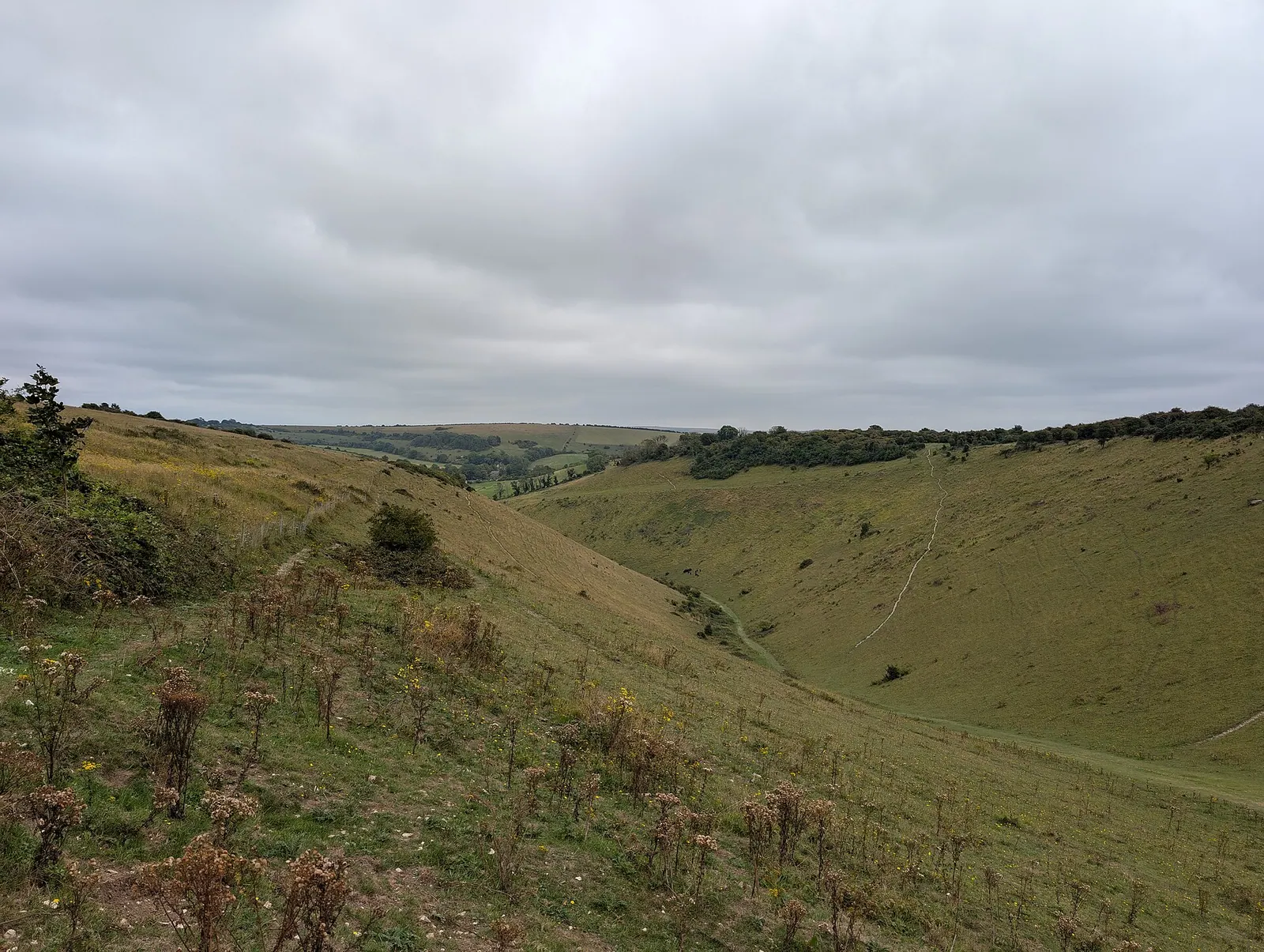
A wide grassy valley under a thick grey sky, with scrub in the foreground.

02

The Devil's valley

A legend says the Devil dug the valley to drown the people of the Weald.

In the legend, the Devil dug the valley to drown the church members of the Weald (the low countryside to the north). Scientists say the Ice Age made it. At the bottom of the valley are two humps of earth, where people say the Devil and his wife are buried. Another tale says that if you run backwards seven times around the humps, holding your breath, the Devil will appear.

Look for

The two humps of earth at the bottom of the valley.

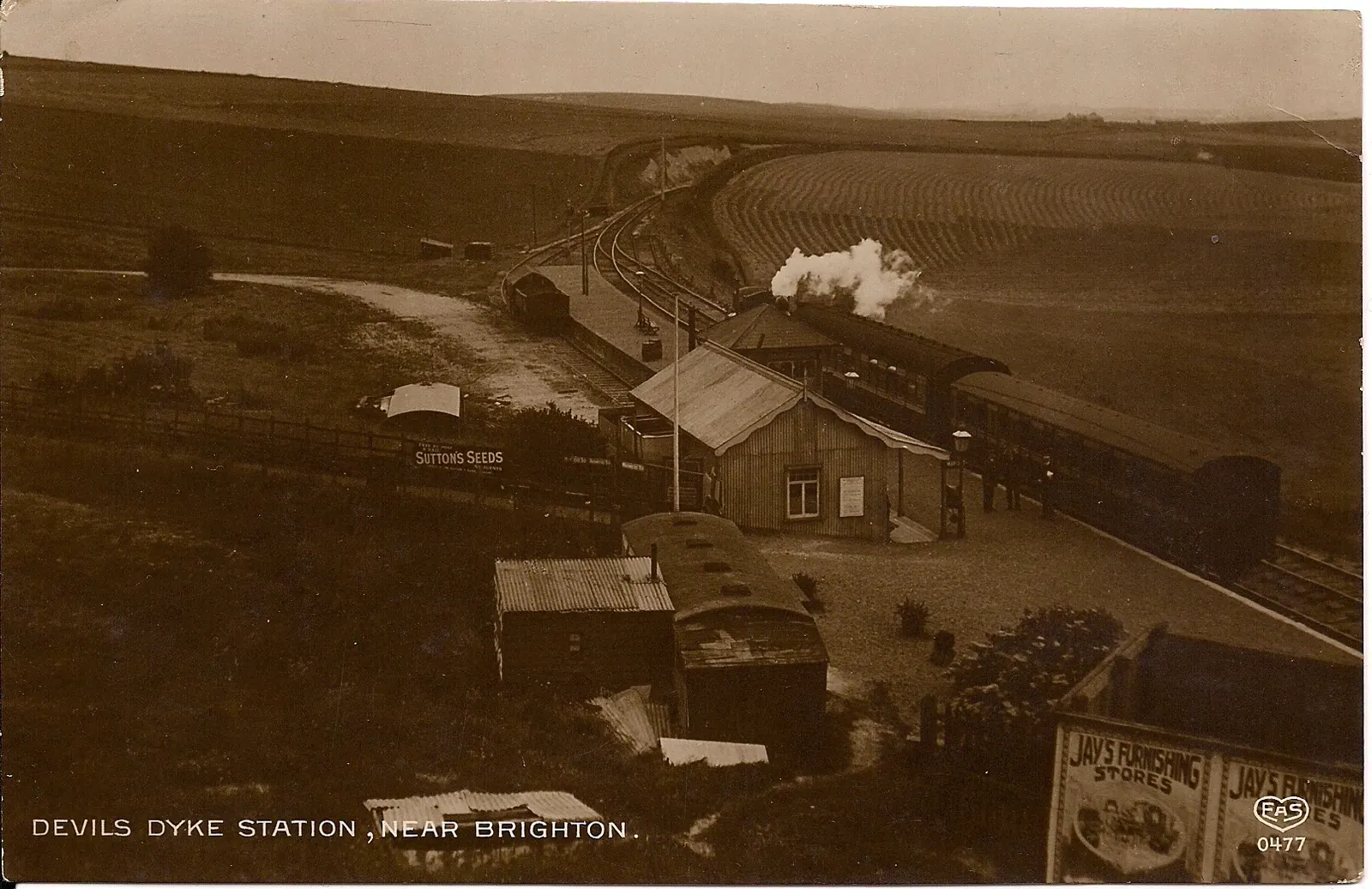
An old sepia postcard of Devils Dyke station near Brighton: a steam train at a small wooden platform building in a bare hillside valley

03

A Victorian day out

In Victorian times, people came from Brighton by train for the views and a funfair.

A railway to the Dyke opened on 1 September 1887. In 1892, H. J. Hubbard bought the estate and made it an adventure park, with merry-go-rounds, coconut shies and fortune tellers. In 1894 it had Britain's first aerial cable car (a car hung from a cable), across the valley. The Brighton railway closed on 31 December 1938.

Look for

The concrete bases of the cable car pylons on the slopes, and the old railway line, now a walking and cycling route.

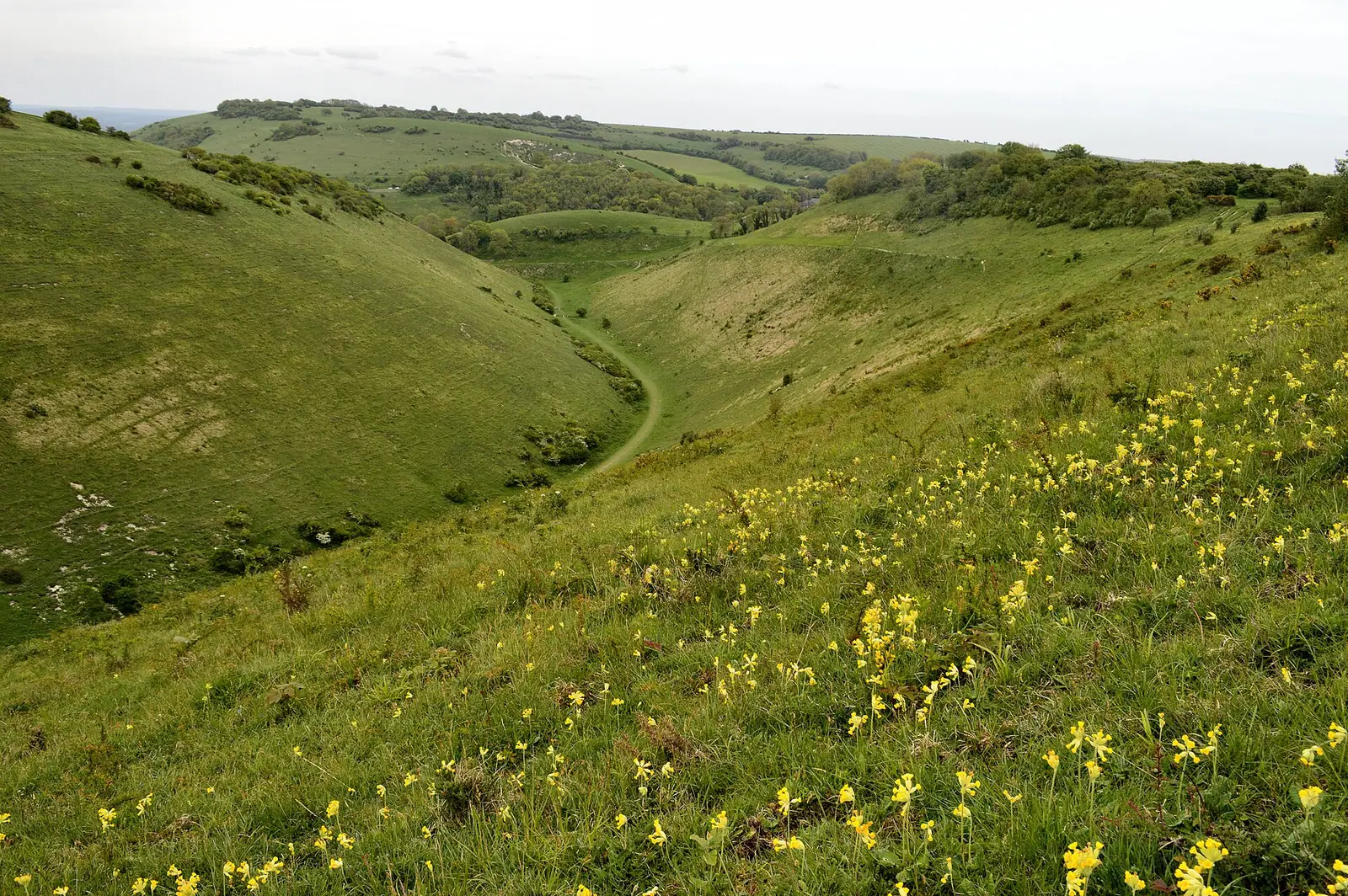
Cowslips flowering on the grassy slopes of the Devil's Dyke valley on the South Downs

04

Rare chalk grassland

The slopes are covered in chalk grassland, a rare kind of flower-rich grass.

The National Trust says chalk grassland is rare and can have up to 40 kinds of plant in one square metre. Look for yellow cowslips in spring and pink wild thyme in summer. Skylarks nest in the longer grass. Dartmoor ponies and cattle graze the Dyke, which helps the delicate flowers grow.

Look for

Grazing ponies. Please do not feed them.

Your time there

What to see.

These are the highlights worth looking out for, if your time allows. See how long each tour stops in Devil's Dyke →

The valley and the funfair remains are only a few minutes' walk from the car park. Here are the highlights, most important first. Picture this, a green valley dropping away below you, skylarks singing overhead and the Downs spread out in front of you.

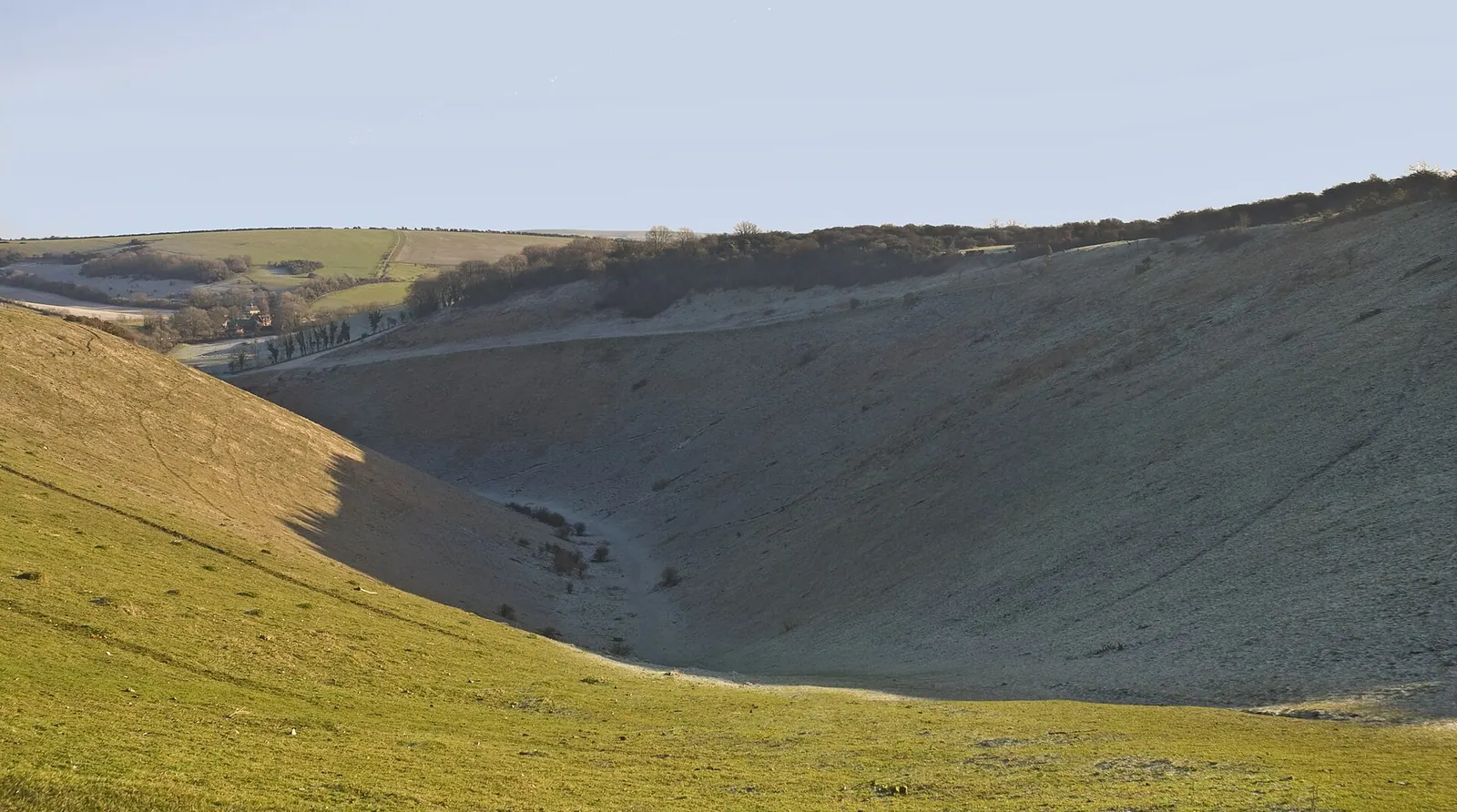
A large frosted grassy bowl of a valley, half in shadow, with a hedge line along the skyline.
Don’t miss

The view from the top

Wide views across the South Downs. The painter John Constable called this view “the grandest view in the world”.

About 10 min · Free

A grassy hillside slope above a wide plain with villages and fields, under broken cloud.

The Dyke valley

A dry valley nearly a mile long, with a living carpet of chalk grassland flowers on its slopes.

Five minutes' walk from the car park · Free

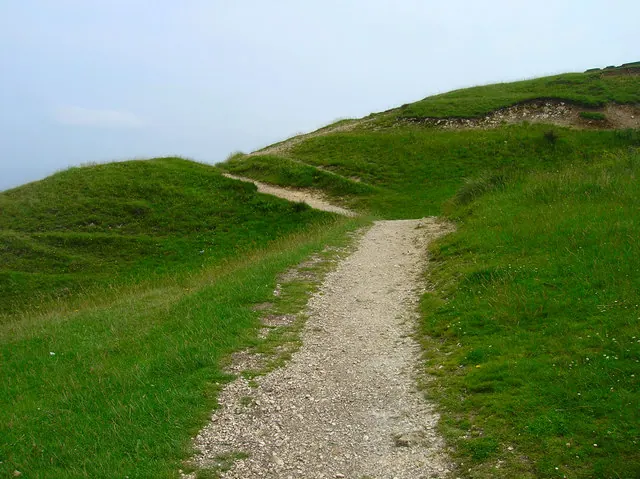
A gravel footpath climbing between grassy earth ramparts of the hill fort, under a pale sky

The hill fort

The earth banks (ramparts) of an Iron Age hill fort can be seen as you walk round the hill.
About 10 min · Free

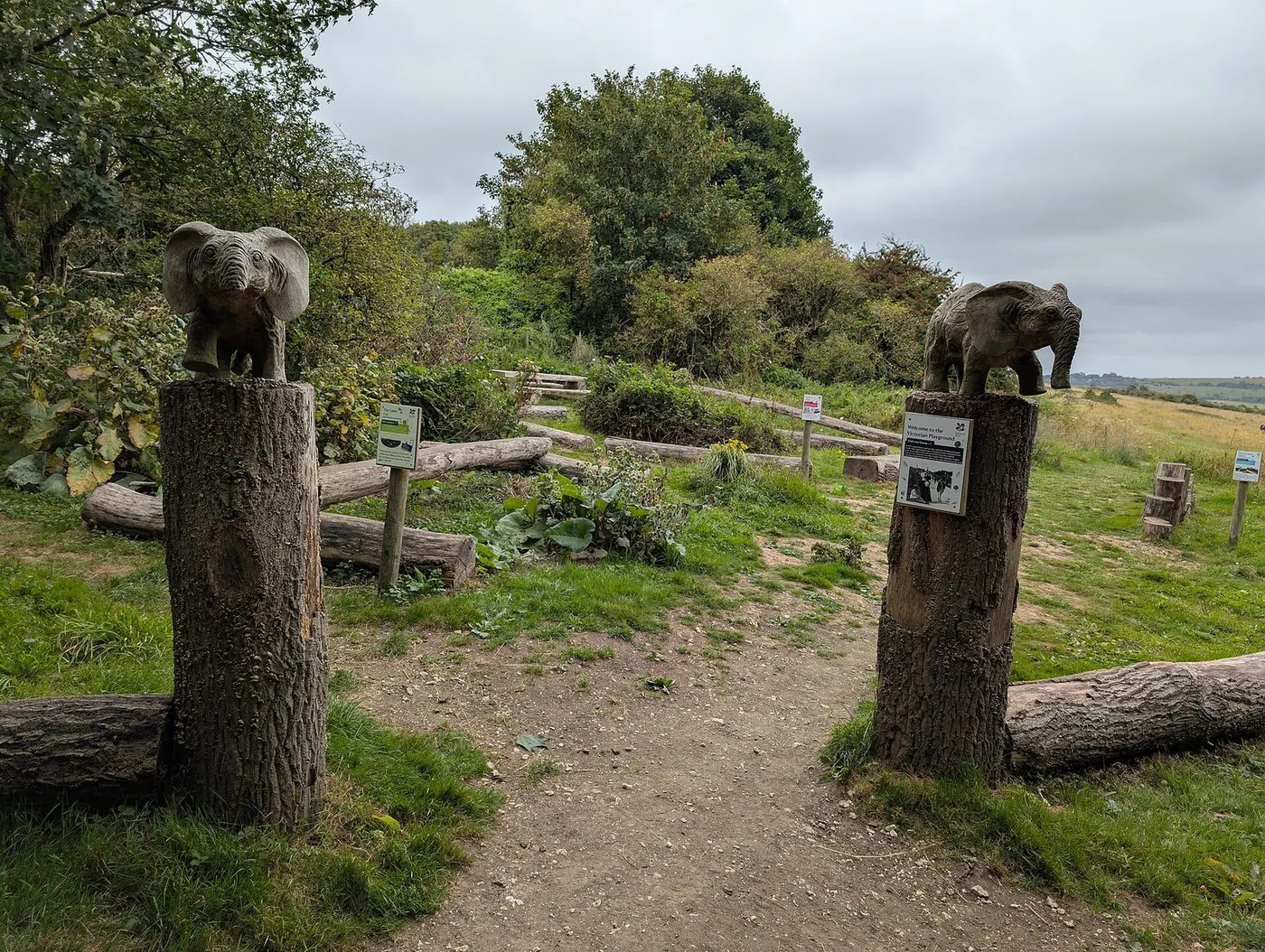
Carved wooden elephants on two tree-trunk posts beside a dirt path in a play area on a grassy hillside

The Victorian funfair site

The remains of the Victorian funfair, and the concrete footings of the cable car pylons on the slopes.

A few minutes from the car park · Free

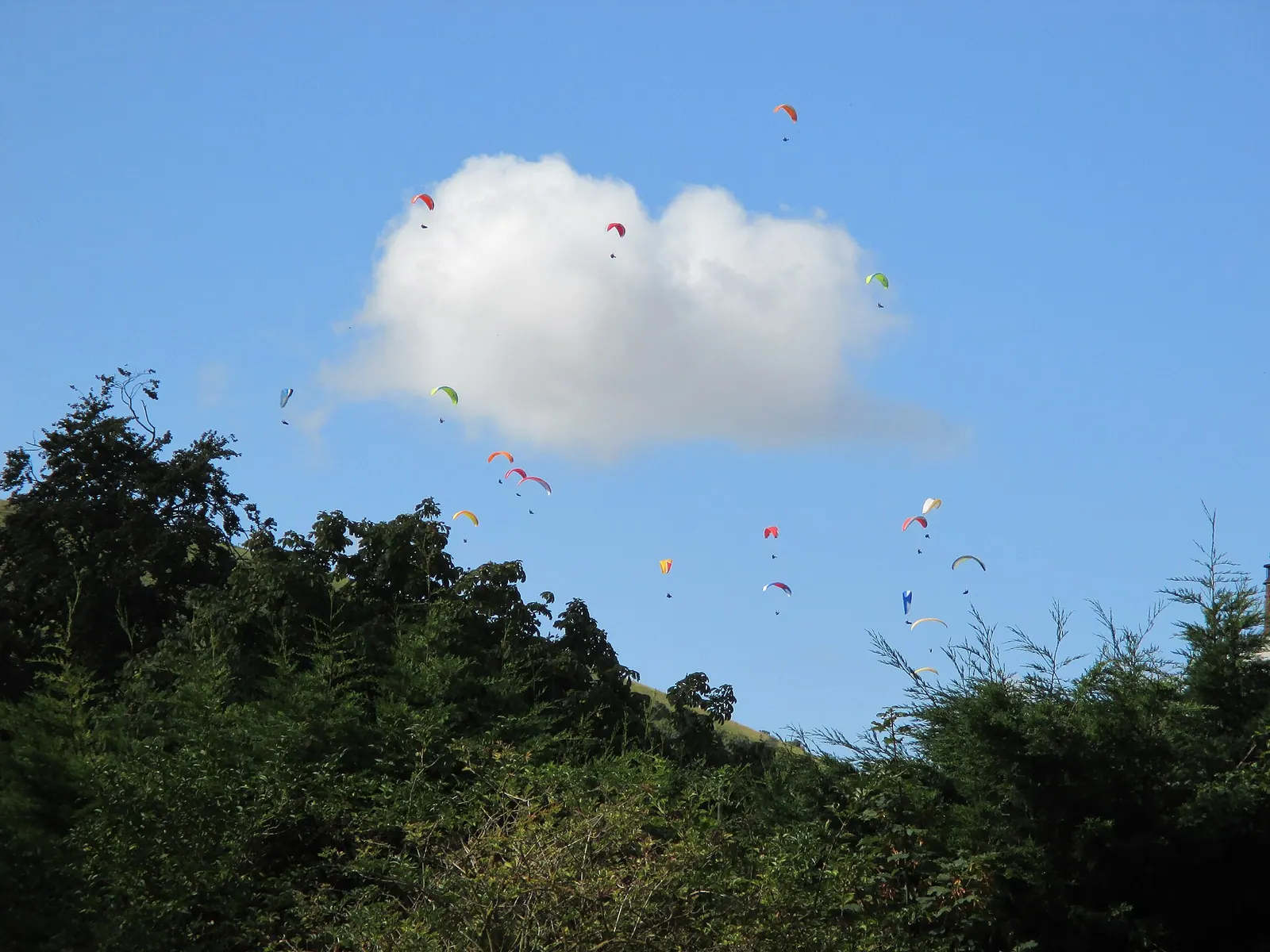
Paragliders over Devil's Dyke

Gliders and kites

The National Trust says Devil's Dyke is one of Europe's finest sites for paragliding and hang-gliding, so you may see gliders overhead.

About 10 min · Free

1 of 5

Swipe for all five highlights →

Choose your day

Which day suits you?

Practical answers

Before you go.

The questions people ask before they book.

Is the ground easy to walk on?

The National Trust describes grassy, uneven paths near the car park and woodland routes that can be muddy after wet weather. The valley is about five minutes from the car park, so wear shoes with grip. National Trust: Devil's Dyke → (opens in a new tab)

Will I meet animals, and can dogs come?

Yes to both. Sheep or cattle graze on the Downs, and Dartmoor ponies graze the Dyke, so please do not feed them. Dogs are welcome, close to you and on a lead near livestock and wildlife. Skylarks nest in the longer grass, so keep dogs from disturbing them. National Trust: Devil's Dyke → (opens in a new tab)

What should I know before I go?

This is open hilltop with grassy, uneven paths that can be muddy after rain. Sheep or cattle often graze on the Downs, so keep dogs under control. National Trust: Devil's Dyke → (opens in a new tab)

Are there toilets?

The South Downs National Park Authority lists toilets at Devil's Dyke, but the National Trust shows no toilets of its own there. Ask at the pub by the car park who runs them and whether they are free. South Downs National Park Authority: South Downs Way walk, Pyecombe to Devil’s Dyke → (opens in a new tab)

Where can I get food and drink?

The Trust lists a pub by the car park, which is not run by the Trust, so check its hours. The Trust lists no cafe or shop at the Dyke itself. The Park Authority names a farm cafe at Saddlescombe Farm, a 30 to 45 minute walk away. National Trust: Devil's Dyke → (opens in a new tab)

Is it step-free and easy for wheelchairs?

There is mobility parking in the car park outside the pub, with a Blue Badge space in front of the main pub. The Trust describes grassy, naturally uneven paths near the car park, which can be muddy after wet weather. National Trust: Devil's Dyke → (opens in a new tab)

Do I have to pay for parking?

The car park is pay and display, and members and Blue Badge holders park free. The Trust says the car park is not suitable for large buses. National Trust: Devil's Dyke → (opens in a new tab)

Is there shelter if it rains?

The Trust lists no indoor visitor building at the Dyke. The pub by the car park is the nearest indoor place, and the paths can be muddy after wet weather. A short stop may not leave time to go in. National Trust: Devil's Dyke → (opens in a new tab)

Compare

Compare day trips from London.

Booking links earn us commission, at no extra cost to you. Viator handles the booking.

Compare all Seven Sisters and Brighton tours →

Free day guide

Get the free Sussex day guide

The guide has a page for each stop, with what to see in 30, 60 or 90 minutes, and where to find toilets and food.

Unsubscribe any time. Privacy

When to go

What changes through the year.

The flowers on the hillside change with the season.

Spring

Bright yellow cowslips cover the hillsides in spring. National Trust: things to see and do at Devil's Dyke → (opens in a new tab)

Summer

In summer the valley turns pink with wild thyme. Skylarks nest in the longer grass, so keep dogs close in the nesting season. National Trust: things to see and do at Devil's Dyke → (opens in a new tab)

Autumn

The South Downs National Park Authority points visitors to the valley in spring or summer for flowers and insects. Autumn is then mainly for the views, which it ranks among the best in the National Park. South Downs National Park: iconic views → (opens in a new tab)

Winter

The Trust says the public 77 bus from Brighton runs less often in winter, so check the timetable for your date if you come back on your own. National Trust: Devil's Dyke → (opens in a new tab)

Events and bus services change with the season. Check the National Trust page before you plan your day. Check with the National Trust → (opens in a new tab)

A taste and a keepsake

A drink or a snack on the Downs near the Dyke.

There is no shop at the Dyke, but there are two places for a drink or a snack nearby. Opening hours differ, so check them before you go.

Just ideas for any free time you get.

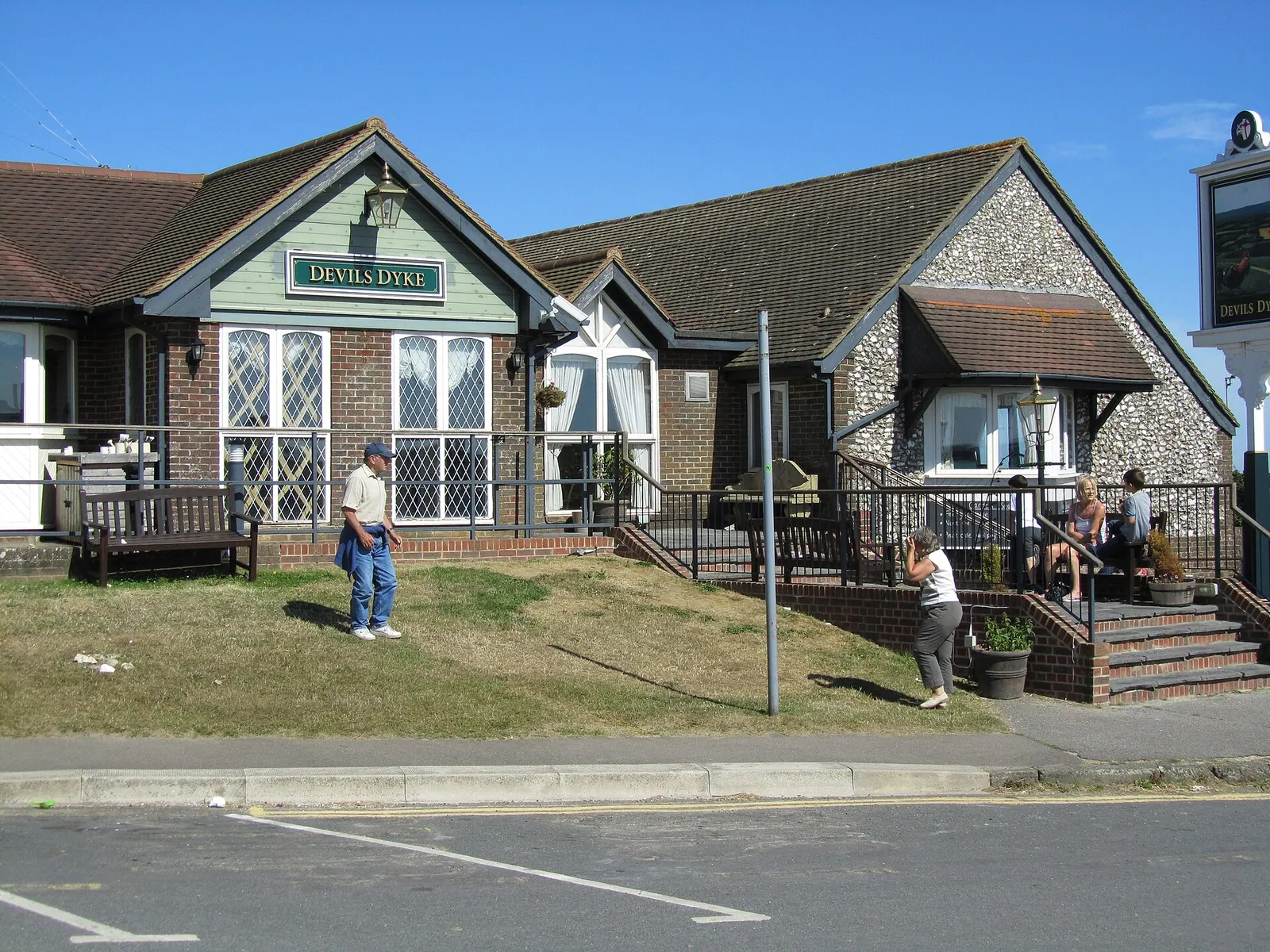
A sunlit brick and flint pub with a green Devils Dyke sign, diners at the entrance and a person on the lawn.
Taste

A drink at the Dyke pub

A pub stands by the car park. The South Downs National Park Authority lists it as a place for a drink while you wait for the bus.

Where to find itNext to the car park, if you have time. It is not run by the National Trust.

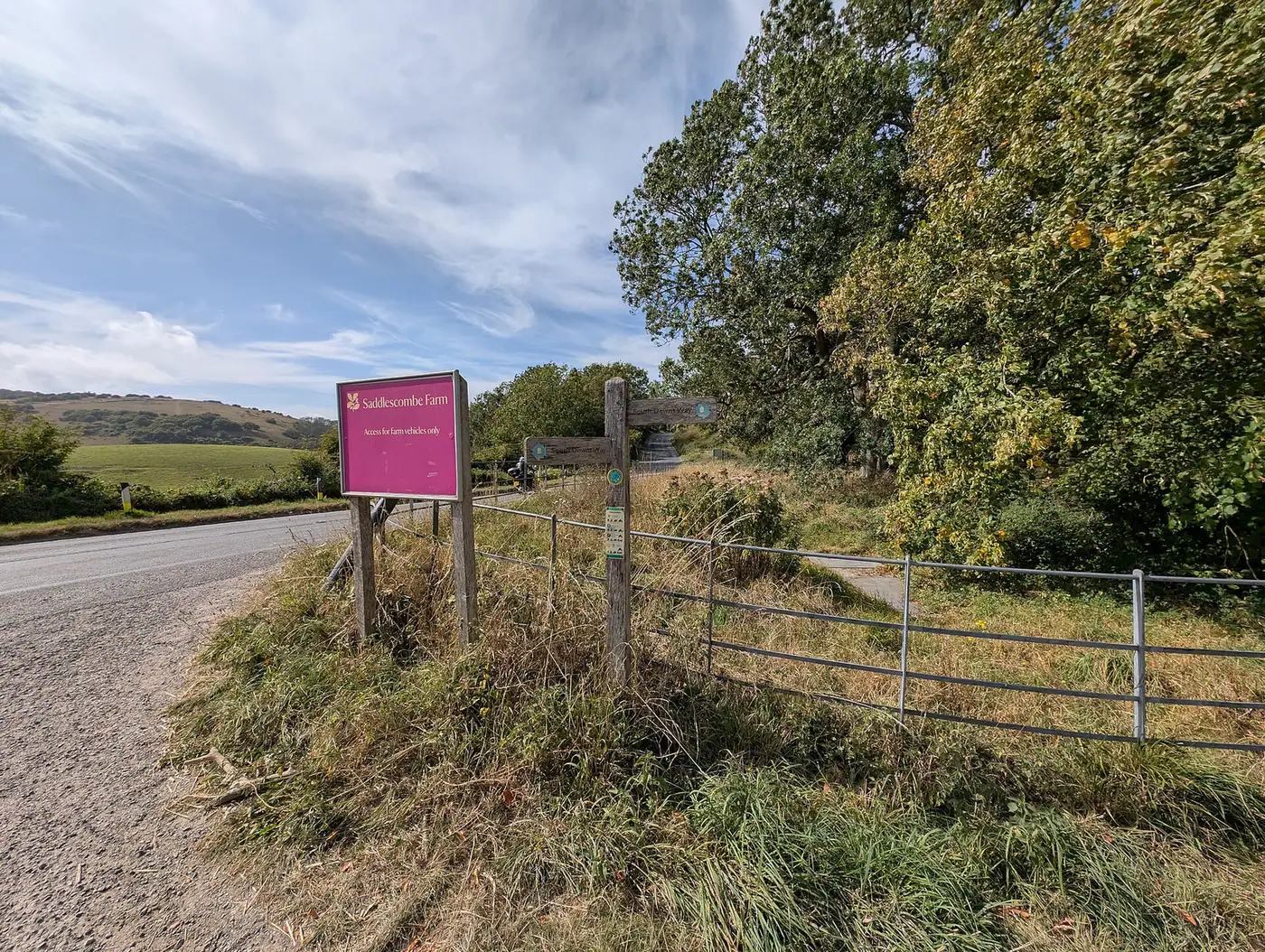
Pink Saddlescombe Farm sign and a South Downs Way fingerpost beside a gate on the lane to the farm
Taste

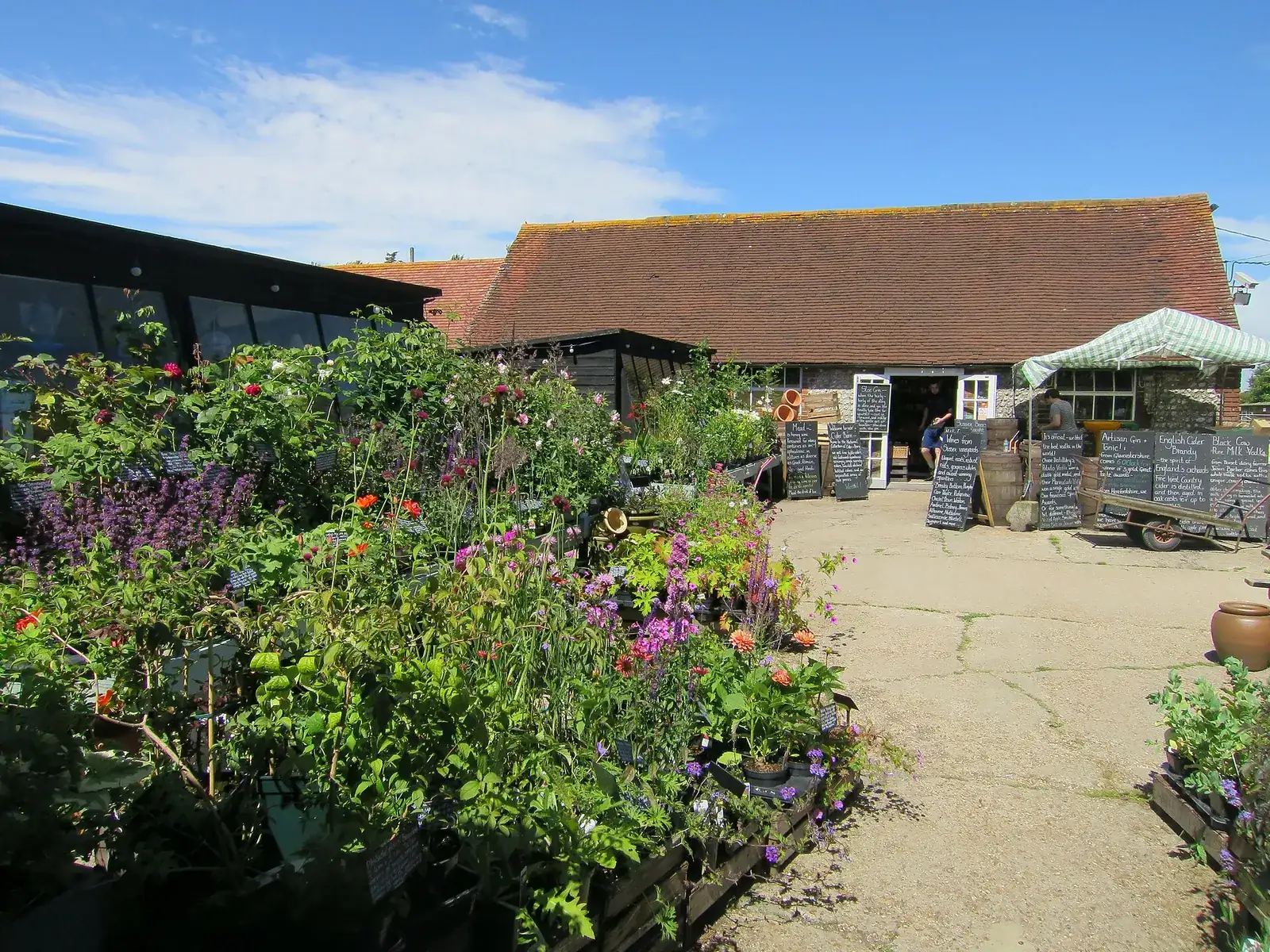
The farm café at Saddlescombe

Saddlescombe Farm is an old farm hamlet on the South Downs Way. The South Downs National Park Authority lists a café there.

Where to find itAbout a 30 to 45 minute walk from the Dyke, so only for a long stop.

Also in Seven Sisters and Brighton

Picture credits and sources

Pictures

Image sources and credits are listed here. Pictures made with AI are marked.

Tour photographs are provided by the tour operators through Viator and are shown from Viator’s own image servers.